I used to crave sugar every afternoon like clockwork. At 3 p.m., my brain would start whispering about cookies, chocolate, or the vending machine down the hall. I tried resisting. I tried substituting fruit. I tried drinking water and waiting twenty minutes. Nothing worked consistently. The craving always won, usually by 3:30.
I assumed this was just who I was. Some people crave sugar. Others do not. I was in the first group, doomed to fight a losing battle against my own biology. Then I read about how protein intake affects ghrelin and insulin signaling, and I wondered if my afternoon sugar crash was actually a protein deficit in disguise.
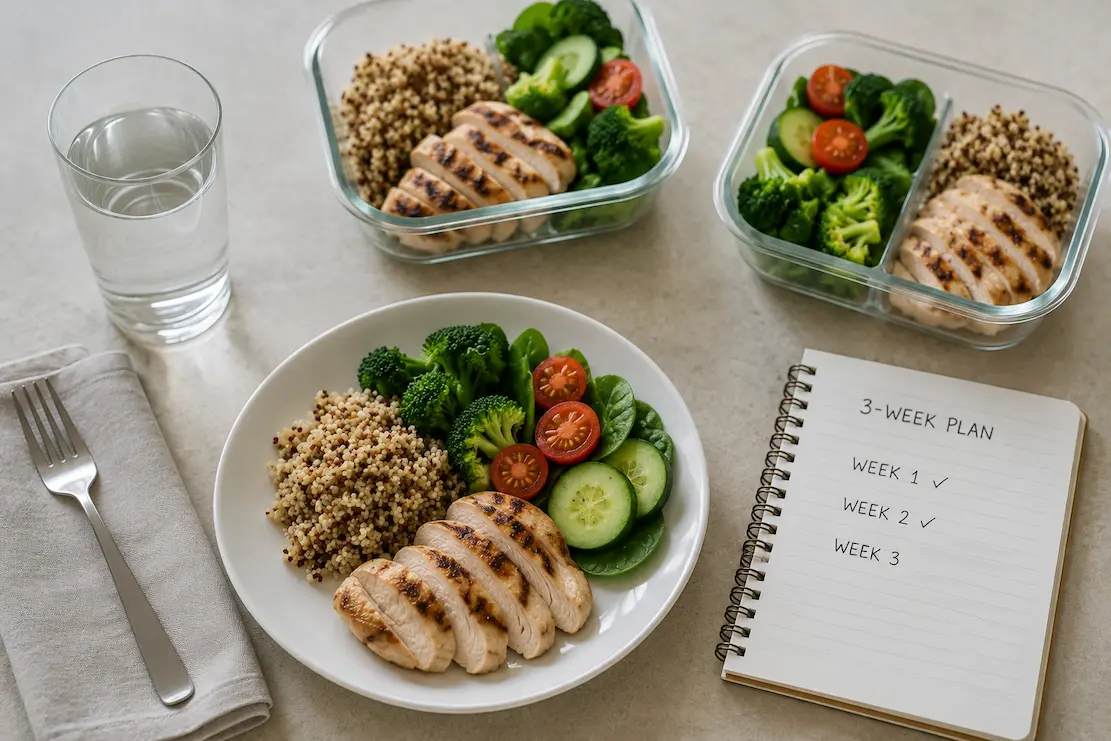
I designed a three-week experiment: eat protein first at every meal, track my cravings, and measure what changed. No other rules. No calorie counting. No food elimination. Just protein first, everything else second. The results changed my relationship with sugar entirely.
What My Eating Looked Like Before
To establish a baseline, I logged my meals and cravings for one week before changing anything. The pattern was revealing.
| Meal | Typical Food | Protein Estimate |
|---|---|---|
| Breakfast | Toast with jam, coffee with milk | ~8 grams |
| Mid-morning | Banana or granola bar | ~2 grams |
| Lunch | Sandwich with small amount of meat, chips | ~15 grams |
| Afternoon | Cookie, chocolate, or sugary coffee | ~2 grams |
| Dinner | Pasta with some chicken, vegetables | ~25 grams |
| Evening | Ice cream, cookies, or sweetened yogurt | ~5 grams |
| Daily total | ~57 grams |
I was eating roughly 55-60 grams of protein daily. For my body weight and activity level, the recommended minimum is closer to 90 grams. My breakfast and snacks were almost entirely carbohydrate. My lunch was protein-light. Only dinner contained a meaningful protein source, and by then the sugar cravings had already been active for hours.
The afternoon sugar craving was not a character flaw. It was my body seeking quick energy because I had not provided slow, sustained energy from protein earlier in the day.
The Protein Gap
Most people who struggle with sugar cravings are not eating enough protein at breakfast and lunch. It is not about willpower. It is about physiology. When protein intake is inadequate, blood sugar becomes unstable. When blood sugar crashes, your brain demands the fastest fix available. That fix is sugar. The craving is not weakness. It is biology doing exactly what biology should do.
The Protein-First Rule
The experiment was simple. At every meal and snack, I had to eat the protein component before anything else. No exceptions. No simultaneous eating. Protein first, then carbohydrates, then fat. If there was no protein in a meal, I had to add one before eating anything else.
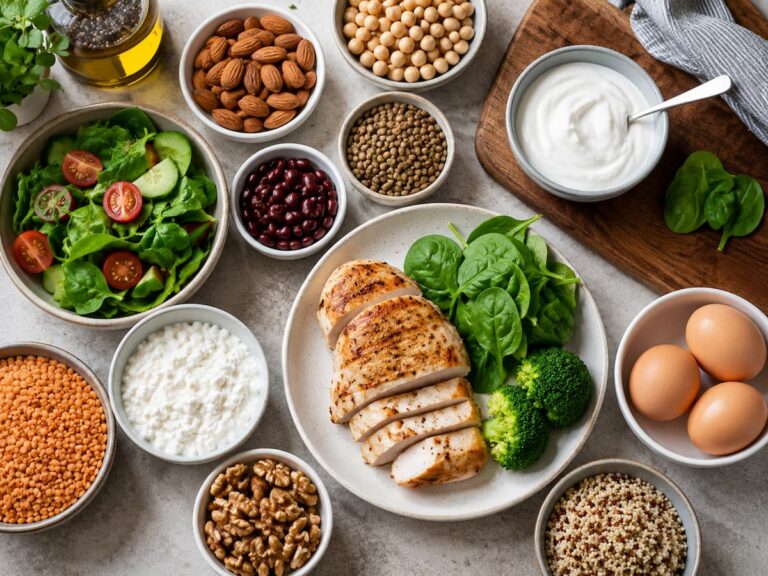
This was harder than it sounds. My morning toast with jam had no protein. So I added two eggs before the toast. My afternoon banana had no protein. So I added a handful of almonds or a small container of Greek yogurt before eating the banana. My pasta dinner had some chicken, but I had to eat the chicken first, before touching the pasta.
The rule was not about eating more protein overall, though that happened naturally. It was about eating protein first, which changed how my body processed everything that followed.
| Meal | New Protein-First Approach | Protein Estimate |
|---|---|---|
| Breakfast | Two eggs first, then toast with jam | ~18 grams |
| Mid-morning | Greek yogurt first, then banana | ~15 grams |
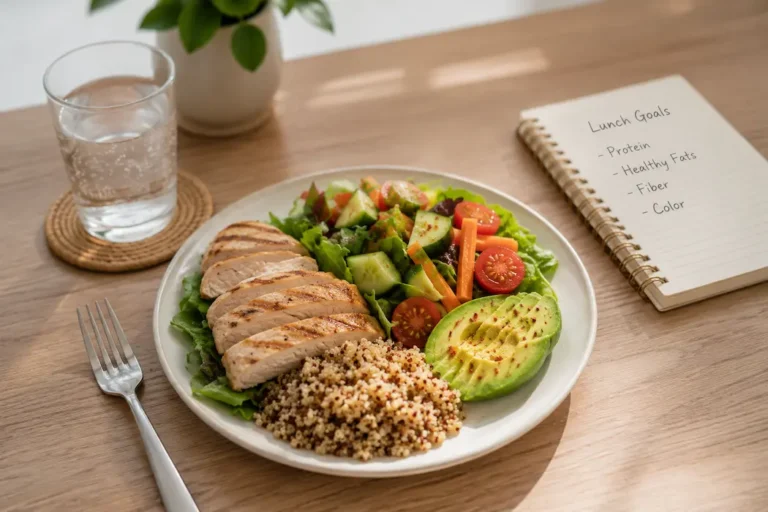
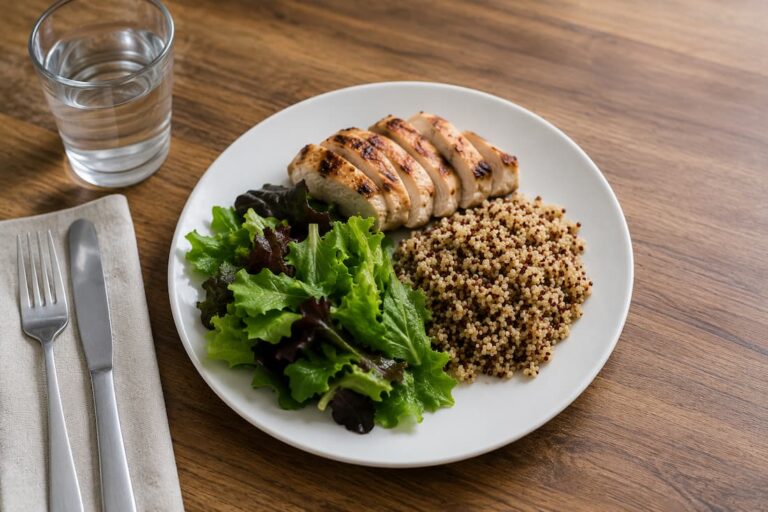
| Lunch | Chicken breast first, then sandwich bread and vegetables | ~35 grams |
| Afternoon | Handful of almonds first, then small piece of dark chocolate if still wanted | ~6 grams |
| Dinner | Salmon or tofu first, then rice and vegetables | ~30 grams |
| Evening | Cottage cheese first, then small portion of fruit if still wanted | ~12 grams |
| Daily total | ~116 grams |
My protein intake nearly doubled without me trying to eat more protein. The simple act of eating it first meant I naturally chose more protein-rich foods and ate less of the carbohydrate-heavy ones that used to fill me up without satisfying me.
What Happened in Week One
The first three days were uncomfortable. My body was accustomed to quick carbohydrate hits. Eating eggs before toast felt strange. Waiting to eat my banana until after yogurt required conscious effort. I caught myself reaching for the toast several times before remembering the rule.
But the afternoon craving changed almost immediately. By day three, the 3 p.m. sugar whisper was quieter. By day five, I noticed I was not thinking about the vending machine at all. By day seven, I had gone the entire week without an afternoon sugar fix. This had not happened in years.
I was still eating carbohydrates. I was still eating some sugar. The difference was timing and sequence. Protein first stabilized my blood sugar, which removed the physiological drive for a quick sugar rescue later.
The Sequencing Secret
Eating protein before carbohydrates slows gastric emptying and blunts the blood sugar spike that follows carb-heavy meals. This is not about eliminating carbs. It is about changing how your body processes them. When protein enters your stomach first, it triggers the release of hormones that signal satiety and stabilize glucose. The same meal, eaten in a different order, produces a completely different metabolic response.
What Happened in Week Two
By the second week, the protein-first habit was becoming automatic. I no longer had to remind myself to eat the chicken before the rice. My hand reached for the yogurt before the banana without conscious thought.
The most surprising change was my evening behavior. I had always assumed my evening ice cream habit was emotional — a reward after a long day, a comfort ritual. But when I ate cottage cheese or a small portion of nuts before considering dessert, I often found I did not want the dessert at all. Not because I was resisting it. Because I genuinely did not want it.
This was the revelation: my evening sugar craving was not emotional. It was the final act of a blood sugar drama that had been playing out all day. Inadequate protein at breakfast and lunch created instability that peaked in the evening. I was not eating ice cream for comfort. I was eating it because my body was desperate for energy stability.
What Happened in Week Three
By week three, the experiment was no longer an experiment. It was just how I ate. The sugar cravings had diminished to occasional whispers rather than daily demands. I could walk past a bakery without the internal negotiation I used to experience. I could keep chocolate in my pantry without eating it impulsively.
I tracked my cravings throughout the three weeks using a simple 1-10 scale. Here are the results:
| Time of Day | Baseline (Week 0) | Week 3 Average |
|---|---|---|
| Morning (10-11 a.m.) | 4.2 / 10 | 1.8 / 10 |
| Afternoon (3-4 p.m.) | 8.7 / 10 | 2.3 / 10 |
| Evening (8-9 p.m.) | 7.5 / 10 | 2.8 / 10 |
| Sugar consumed (days per week) | 6-7 days | 2-3 days |
The afternoon craving dropped from nearly a 9 to barely a 2. This was the time that had always defeated me. The time I had tried every strategy to resist. The time that now required no resistance at all because the craving simply was not there.
Why Protein First Works
The mechanism is well-established in nutrition science, though rarely discussed in popular diet advice. Protein stimulates the release of several satiety hormones, including cholecystokinin (CCK), peptide YY (PYY), and glucagon-like peptide-1 (GLP-1). These hormones signal fullness to the brain and slow the rate at which food leaves the stomach.
When you eat protein first, these hormones are already active when carbohydrates arrive. The result is a smaller blood sugar spike, a more gradual insulin response, and longer-lasting satiety. Research published in Diabetes Care demonstrated that eating protein and vegetables before carbohydrates significantly reduced post-meal glucose and insulin levels in patients with type 2 diabetes.
But the effect is not limited to diabetics. Anyone who experiences blood sugar instability — which manifests as energy crashes, mood swings, and sugar cravings — can benefit from this sequencing. The protein-first approach does not require eliminating carbohydrates or counting calories. It simply changes the order in which you eat the foods already on your plate.
The Hormonal Cascade
When protein hits your stomach, it triggers a cascade of hormonal responses that prepare your body for sustained energy. Ghrelin, the hunger hormone, drops. CCK and PYY, the satiety hormones, rise. Insulin response to subsequent carbohydrates is blunted. This is not theory. It is measurable biochemistry. And it costs nothing to implement. Just eat your chicken before your rice.
How I Maintain This Long-Term
I am now six months into the protein-first approach. It requires no willpower because it is automatic. But I have made adjustments based on real-world constraints.
At restaurants: I order protein-heavy appetizers or eat the protein portion of my main course first. If the meal is pasta-heavy, I ask for extra protein on the side. This is not restrictive. It is sequencing.
At social gatherings: I eat a small protein snack before arriving. Nuts, cheese, or a hard-boiled egg. This prevents me from diving into the chip bowl out of hunger, and it stabilizes my blood sugar before I encounter dessert.
On busy days: I keep protein sources that require no preparation. Individual packets of nut butter, protein-rich yogurt cups, pre-cooked eggs. These are my insurance against days when cooking is impossible.
When I want sugar: I still eat sugar. The difference is that I now choose it consciously rather than being driven to it by cravings. A piece of dark chocolate after dinner is a choice, not a rescue. That distinction matters enormously for how I feel about my eating.
Common Mistakes to Avoid
When I shared this approach with friends, several made predictable errors that reduced its effectiveness:
Substituting protein bars for real food. Most protein bars are candy bars with added protein isolate. They spike blood sugar almost as much as cookies. Real food protein — eggs, chicken, fish, yogurt, legumes — produces the hormonal response that stops cravings. Processed protein products often do not.
Eating protein but still starting with coffee and pastry. The rule is protein first. If you drink coffee and eat a muffin, then have eggs an hour later, you have already triggered the blood sugar instability. The protein must come at the beginning of the eating occasion, not later as an afterthought.
Expecting immediate results. Some people notice changes in two days. Others need two weeks. Your body has adapted to its current pattern. Hormonal rhythms take time to shift. Give the experiment at least fourteen days before evaluating it.
What This Approach Cannot Do
Protein first will not cure emotional eating, binge eating disorder, or sugar addiction that has psychological roots. If your sugar consumption is driven by trauma, stress, or habit patterns unrelated to hunger, this approach addresses only the physiological component. The psychological component requires different support.
It also will not work if your overall diet is severely calorie-restricted. Extreme hunger overrides hormonal satiety signals. If you are undereating, your body will demand quick energy regardless of protein sequencing. Adequate total intake is a prerequisite for this strategy.
But if you are like I was — eating reasonably, yet haunted by sugar cravings that seem to come from nowhere — the protein-first approach may reveal that your cravings were never mysterious. They were simply your body asking for stability in a language you had not learned to understand.
Try it for three weeks. Eat protein first at every meal. Track your cravings. Notice what changes. The answer might be simpler than you think.
Related Articles
- How I Stopped Overeating at Dinner by Eating a Bigger Lunch
- What I Keep in My Kitchen to Make Healthy Eating Automatic
- How I Eat Better Without Strict Dieting
- How to Prepare Quick Nutrient-Dense Meals on Busy Days
- How I Fixed Afternoon Slumps Using a Simple Hydration Schedule
- How I Stay Consistent on Busy Days
Sources and References
- Shukla, A.P., et al. (2015). “Food order has a significant impact on postprandial glucose and insulin levels.” Diabetes Care, 38(7), e98-e99. https://diabetesjournals.org/care/article/38/7/e98/37387/Food-Order-Has-a-Significant-Impact-on
- Leidy, H.J., et al. (2015). “The role of protein in weight loss and maintenance.” American Journal of Clinical Nutrition, 101(6), 1320S-1329S.
- Blom, W.A., et al. (2006). “Effect of a high-protein breakfast on the postprandial ghrelin response.” American Journal of Clinical Nutrition, 83(2), 211-220.

Abdur Rahman is a lifestyle writer focused on simple health habits and everyday wellness. He creates easy-to-understand content that helps readers improve their routines without confusion or pressure. His work covers topics like daily health habits, home fitness, simple nutrition, sleep, and stress management. He believes that small, consistent actions lead to meaningful long-term results and aims to make healthy living practical, realistic, and accessible for everyone.