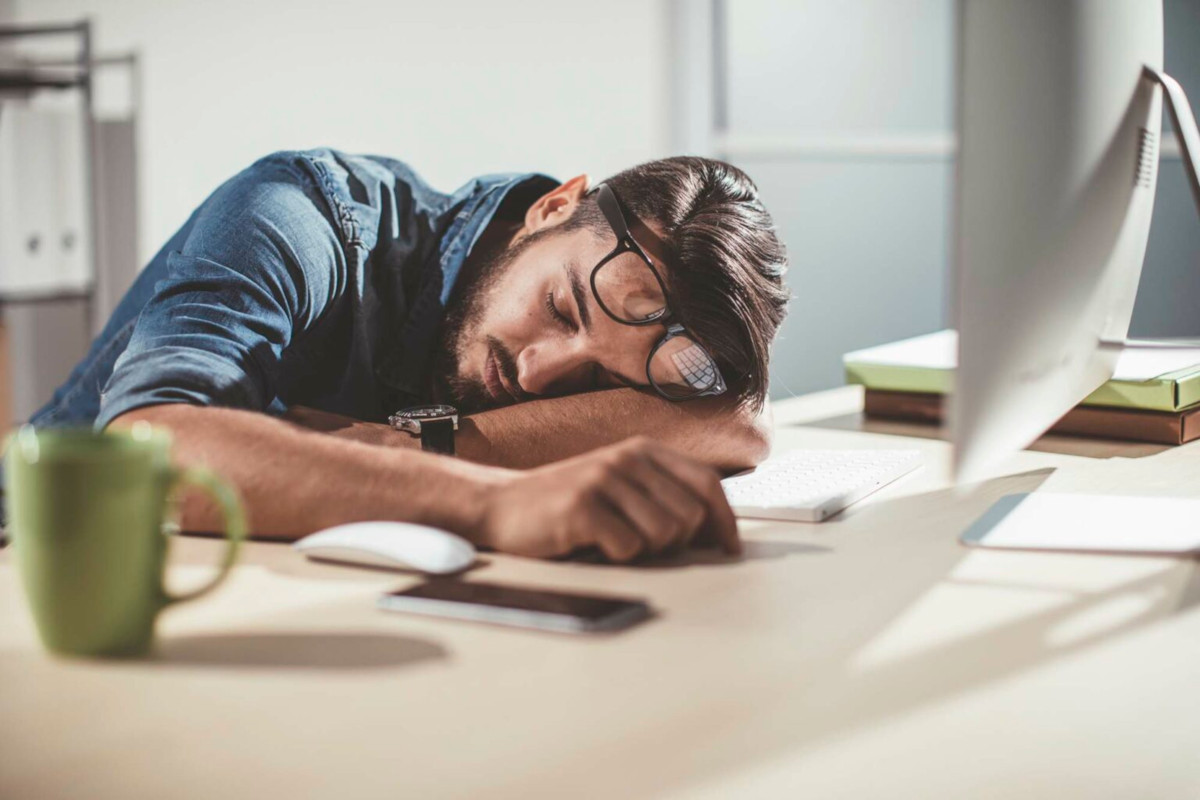
The crash always hit around 2:30 p.m. My eyes glazed over. My focus evaporated. I would stare at my screen knowing I had three hours of work left and zero energy to do it. Coffee was my only solution, and even that stopped working by Thursday. By Friday afternoon, I was running on fumes and resentment.
I assumed this was normal. Everyone I knew complained about the afternoon slump. We treated it like weather — something to endure, not something to fix. Then I read a study about mild dehydration impairing cognitive performance and decided to test a theory: what if my afternoon crash was not about sleep, stress, or willpower? What if I was just thirsty?
I designed a simple hydration schedule and tracked everything for thirty days. The results changed how I approach my entire workday.
What I Was Actually Drinking Before
Before starting this experiment, I spent one week logging every liquid that entered my body. The numbers embarrassed me.
| Time | What I Drank | Notes |
|---|---|---|
| 7:00 a.m. | One cup of coffee | Often skipped water entirely |
| 9:30 a.m. | Nothing | Deep in work, no thirst sensation |
| 12:00 p.m. | Diet soda with lunch | Caffeine, not hydration |
| 2:30 p.m. | Second coffee | Right when the slump hit |
| 6:00 p.m. | Water with dinner | First real water of the day |
| Daily total | ~800 ml liquid | Mostly caffeine, not water |
I was drinking less than a liter of liquid daily, and most of it was caffeinated or carbonated. The European Food Safety Authority recommends 2.0 liters of water per day for women and 2.5 liters for men. I was nowhere close. My body was not crashing from mental fatigue. It was waving a white flag from dehydration.
The Thirst Paradox
By the time you feel thirsty, you are already mildly dehydrated. Thirst is a lagging indicator, not an early warning system. If you are waiting to drink until your mouth feels dry, you have already lost the afternoon energy battle.
The Simple Hydration Schedule I Created
I did not want to carry a gallon jug or set hourly alarms that would annoy my coworkers. I needed something invisible, automatic, and tied to things I already did. Here is the schedule I built:
| Time | Trigger | Amount | Running Total |
|---|---|---|---|
| 7:00 a.m. | Before coffee | 500 ml water | 500 ml |
| 9:30 a.m. | After first meeting block | 350 ml water | 850 ml |
| 11:30 a.m. | Before lunch | 350 ml water | 1,200 ml |
| 1:30 p.m. | One hour after lunch | 500 ml water | 1,700 ml |
| 3:30 p.m. | When the slump used to hit | 350 ml water | 2,050 ml |
| 5:30 p.m. | Before leaving work | 350 ml water | 2,400 ml |
The genius of this schedule is not the amounts. It is the triggers. Each drinking session is attached to an existing event in my day. I do not need to remember to drink. I need to remember my schedule, which I already know by heart.
I bought a 500 ml water bottle and kept it on my desk. The 350 ml servings meant drinking most of the bottle. The 500 ml servings meant a full bottle. No measuring. No guessing. Just drink until it is empty at the right times.
The 1:30 p.m. Anchor
The most important drink in this schedule happens at 1:30 p.m., one hour after lunch. This is preloading hydration before the slump window. By the time 2:30 p.m. arrives, the water is already in my system. I am not reacting to the crash. I am preventing it.
What I Tracked for 30 Days
I measured three metrics daily: afternoon energy, coffee consumption, and subjective focus. Here is what happened.
| Metric | Week 1 Average | Week 4 Average |
|---|---|---|
| Afternoon energy (2-4 p.m.) | 3.8 / 10 | 7.2 / 10 |
| Cups of afternoon coffee | 1.8 per day | 0.3 per day |
| Focus rating (3 p.m. self-assessment) | 4.1 / 10 | 7.6 / 10 |
The improvement was not gradual. It was immediate. By day three, I noticed the 2:30 p.m. crash was lighter. By day seven, it was barely there. By day fourteen, I had stopped expecting it entirely. The habit of drinking at 1:30 p.m. had reprogrammed my afternoon.
My coffee consumption dropped because I no longer needed it as a rescue drug. I still drink one cup in the morning because I enjoy it. But the second and third cups that used to prop me up through the afternoon became unnecessary. My sleep improved as a secondary benefit.
Why Hydration Works for Energy
The science behind this is straightforward. Even mild dehydration, defined as a 1-2% loss in body weight from fluid deficit, impairs cognitive performance, mood, and energy levels. A study published in the Journal of Nutrition found that young women with mild dehydration experienced increased perception of task difficulty, lower concentration, and more headache symptoms.
Your brain is approximately 75% water. When hydration drops, cerebrospinal fluid volume decreases, which affects how efficiently your brain processes information. Blood volume also drops slightly, meaning your heart must work harder to deliver oxygen and nutrients. The result feels like fatigue, but it is actually dehydration in disguise.
Caffeine complicates this further. Coffee is a mild diuretic, meaning it increases fluid loss through urine. Drinking coffee without compensating with water creates a net fluid deficit. My two-cup morning habit was leaving me dehydrated before my workday even began.
The Coffee Trap
Coffee does not dehydrate you as severely as myth suggests, but it does not hydrate you either. If your morning liquid intake is entirely coffee, you are starting the day with a fluid deficit. The 500 ml water before my morning coffee was the single most impactful change I made. Everything else built on that foundation.
How I Made the Schedule Stick
Knowing what to drink and when to drink it is useless if you do not actually do it. Here is how I turned the schedule into an automatic habit.
I placed my water bottle directly in my line of sight on the desk. Not beside the monitor. In front of it. I had to physically move it to see my screen. This visual cue triggered the behavior without requiring willpower.
I linked each drinking time to a specific work event. The 9:30 a.m. drink followed my first meeting block. The 11:30 a.m. drink happened before I stood up for lunch. The 1:30 p.m. drink followed my return from the lunch break. These anchors made the habit automatic within two weeks.
I also used a simple tracking method. Each time I finished a water bottle, I moved a paperclip from one side of my desk to the other. By the end of the day, six paperclips had migrated. That visual confirmation was more satisfying than any app notification.
What I Do Differently Now
After six months, the schedule has become second nature. I no longer track paperclips or log energy ratings. My body has learned the rhythm. But I have made two adjustments based on experience.
First, I added a pinch of sea salt to my 1:30 p.m. water on days when I sweat heavily or feel particularly drained. Sodium helps with water retention and prevents the diluted electrolyte state that can occur from drinking plain water alone. I do this maybe twice a week, not every day.
Second, I reduced my total intake slightly on sedentary days. If I am not exercising and the weather is cool, 2.0 liters is sufficient. On training days or hot days, I push toward 2.5 liters. The schedule is a framework, not a rigid rule.
When This Will Not Work
Hydration is not a magic cure for every afternoon slump. If your crash is caused by severe sleep deprivation, chronic stress, or an underlying medical condition, water will not fix it. But if you are like I was — sleeping reasonably well, managing stress adequately, and still crashing daily — dehydration is the most overlooked and easiest to fix cause.
Before trying supplements, energy drinks, or elaborate productivity systems, try drinking water on a schedule for two weeks. Track your afternoon energy. The data will tell you whether this was your problem. For me, it was the entire problem. I spent years fighting a battle that a water bottle could have won.
Related Articles
- How I Built a 10-Minute Morning Mobility Routine That Actually Stuck
- What Happened When I Started Stretching Every Morning
- Signs Your Daily Routine Is Hurting Your Energy Without You Realizing It
- How I Stay Consistent on Busy Days
- Why I Stopped Trying Extreme Morning Routines
- Simple Digital Detox Habits That Work
Sources and References
- Armstrong, L.E., et al. (2012). “Mild dehydration affects mood in healthy young women.” Journal of Nutrition, 142(2), 382-388. https://academic.oup.com/jn/article/142/2/382/4631627
- European Food Safety Authority. (2010). “Scientific opinion on dietary reference values for water.” EFSA Journal, 8(3), 1459. https://efsa.onlinelibrary.wiley.com/doi/abs/10.2903/j.efsa.2010.1459
- Ganio, M.S., et al. (2011). “Mild dehydration impairs cognitive performance and mood of men.” British Journal of Nutrition, 106(10), 1535-1543.

Abdur Rahman is a lifestyle writer focused on simple health habits and everyday wellness. He creates easy-to-understand content that helps readers improve their routines without confusion or pressure. His work covers topics like daily health habits, home fitness, simple nutrition, sleep, and stress management. He believes that small, consistent actions lead to meaningful long-term results and aims to make healthy living practical, realistic, and accessible for everyone.