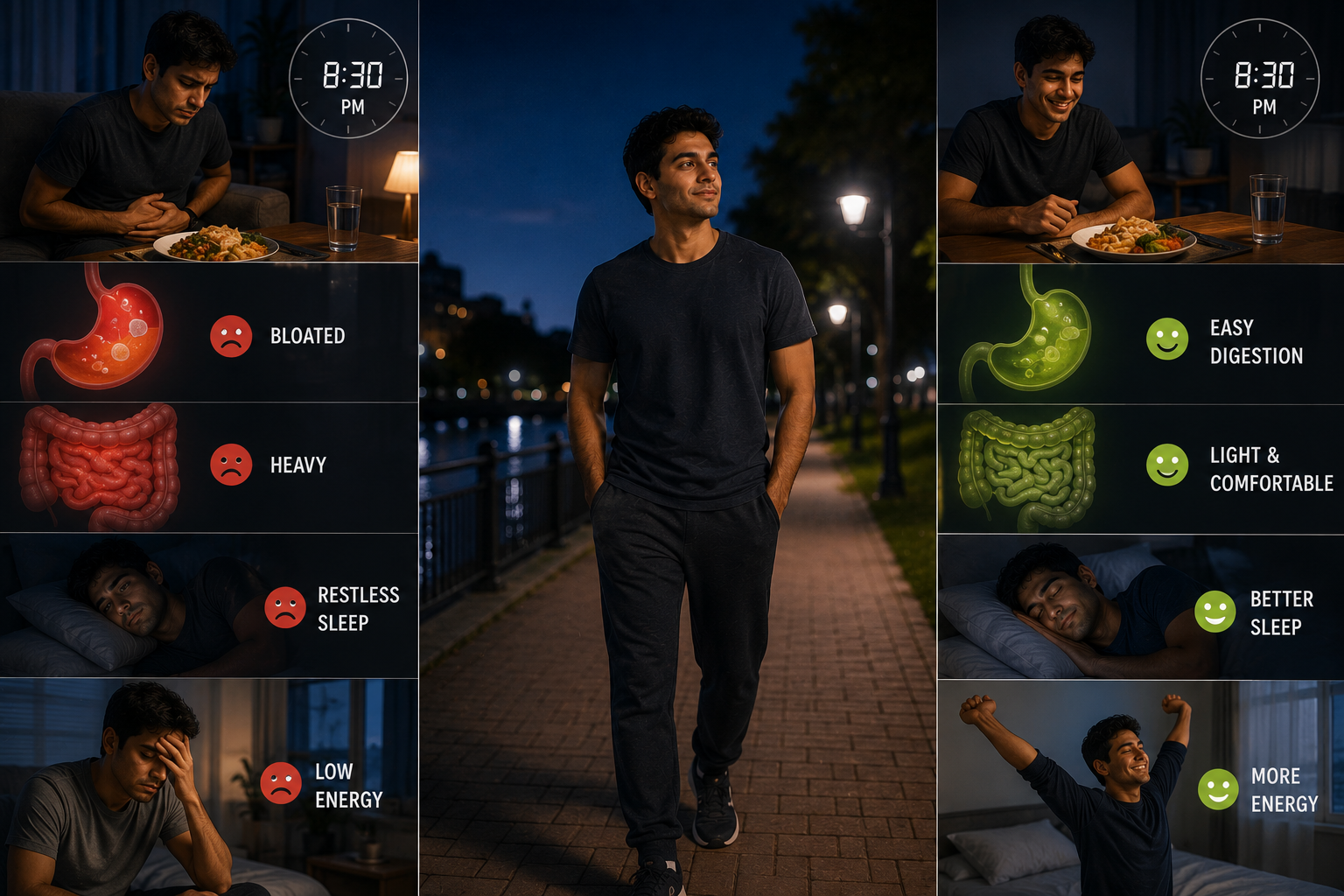
Evenings often follow a familiar pattern. Dinner ends, the dishes wait in the sink, and most people move directly to the couch or bed. After a long day, rest feels earned and necessary. For years, I followed the same routine without questioning it. However, I gradually noticed that my evenings often came with heaviness, sluggish digestion, and occasional discomfort that made winding down harder than it should have been.
Many people experience this feeling but assume it is simply part of modern life. Heavy dinners, late schedules, and sedentary evenings have become normal. Yet one small habit quietly changed how my evenings felt: taking a short walk after dinner. This was not an intense workout or a structured fitness routine. It was simply a gentle walk lasting around ten to fifteen minutes. What surprised me most was how quickly the difference became noticeable. Evenings felt lighter, sleep felt smoother, and digestion felt more comfortable. This article explores what the after-dinner walking habit is, how it works in real life, and why it matters not only for individuals but also for families and workplaces seeking healthier daily routines.
Understanding the After-Dinner Walking Habit
The after-dinner walking habit is exactly what it sounds like: a short, relaxed walk taken shortly after finishing the evening meal. The goal is not speed or exercise intensity. Instead, the focus is gentle movement that helps the body transition from eating to resting.
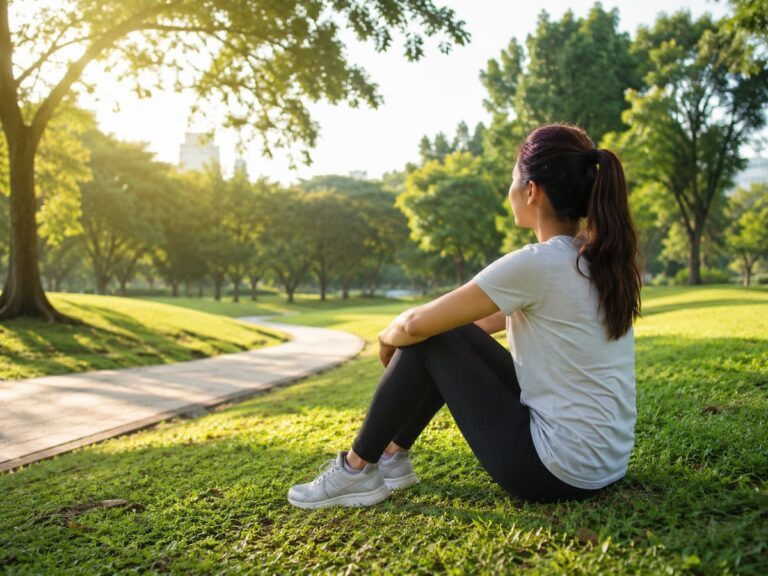
In practical terms, this habit often lasts between ten and twenty minutes. It can be as simple as walking around the neighborhood, strolling in a nearby park, or even pacing slowly around a home courtyard. The emphasis is on consistency rather than performance. Many people associate physical activity with gyms or structured workouts. The after-dinner walk challenges this idea by showing that small, low-effort movements can still play an important role in daily well-being.
How Gentle Movement Supports Digestion
After eating, the digestive system begins the complex process of breaking down food and absorbing nutrients. During this time, the body benefits from gentle circulation and steady movement. Sitting or lying down immediately after meals can slow this process and contribute to feelings of heaviness.
Light walking encourages natural movement within the digestive system. It supports circulation and helps the body transition smoothly from eating to resting. In practical terms, this often feels like reduced bloating, less discomfort, and a smoother evening. It is important to note that the walk does not need to be intense. In fact, a relaxed pace is usually ideal. The goal is to support digestion, not to create physical strain.
Real-Life Experience: Noticing the Difference Quickly
When I first tried walking after dinner, I did not expect dramatic results. I assumed it would simply add a little movement to my day. Within a short time, however, evenings began to feel noticeably different. The heaviness that once felt normal began to fade, and nighttime routines felt more comfortable.
The most noticeable change was how the walk created a natural transition between dinner and relaxation. Instead of moving straight from eating to sitting, the walk became a buffer that helped the evening feel more balanced. This small shift made evenings feel less rushed and more intentional.
Why This Habit Matters for Individuals
For individuals, the after-dinner walk offers a simple and accessible way to support digestion and daily movement. It does not require equipment, special training, or significant time commitment. This makes it one of the easiest habits to adopt and maintain.
In everyday life, many people struggle to fit exercise into busy schedules. The after-dinner walk fits naturally into an existing routine, making it easier to sustain over time. This habit also provides a moment of mental relaxation. Walking outdoors or stepping away from screens can help people decompress after a busy day.
The Family Perspective: Creating Shared Evening Routines
Families often struggle to find shared routines that support health without feeling like chores. The after-dinner walk can become a simple family ritual that brings everyone together for a short period each evening.
In practical terms, families can use this time to talk, unwind, and transition into nighttime routines. Children often respond well to predictable evening activities, and a short walk can become part of the daily rhythm. Over time, shared habits like this can strengthen family connections while supporting healthier routines.
Workplace Relevance and Modern Lifestyles
Many modern jobs involve long hours of sitting. This makes evening movement even more important. The after-dinner walk provides a gentle way to balance sedentary workdays without requiring major lifestyle changes.
From a workplace perspective, employees who develop consistent evening routines may feel more refreshed the next day. Small habits that support recovery and relaxation can indirectly contribute to better focus and productivity. This does not mean the walk replaces other forms of exercise, but it complements them in a practical way.
Practical Impact on Sleep and Evening Relaxation
Evenings are often filled with screens, artificial lighting, and mental stimulation. A short walk creates a natural transition from activity to rest. It gives the body time to unwind before bedtime.
In practical terms, this means evenings can feel calmer and more structured. The walk becomes a signal that the active part of the day is ending. This gentle transition can support a smoother nighttime routine.
Challenges and Limitations of the Habit
Like any routine, the after-dinner walk can face challenges. Weather conditions, busy schedules, or fatigue can make consistency difficult. Some evenings simply do not allow time for a walk.
It is also important to avoid unrealistic expectations. The habit supports digestion and well-being, but it is not a cure for all health concerns. It works best as part of a balanced lifestyle that includes proper rest and nutrition. Flexibility is key. Even short or indoor walks can still provide benefits.
The Growing Popularity of Micro-Habits
In recent years, small daily habits have gained attention as sustainable alternatives to strict routines. People are increasingly looking for simple ways to improve daily life without overwhelming schedules.
The after-dinner walk fits perfectly into this trend. It is small, repeatable, and easy to adapt. Over time, small habits often create meaningful long-term changes. This growing interest suggests that simple routines may continue to shape how people approach well-being.
Conclusion:
The after-dinner walking habit is a small, practical routine that supports digestion, relaxation, and daily movement. By adding a short walk after meals, individuals and families can create a gentle transition from eating to rest. This simple habit fits easily into daily life and offers a sustainable way to support evening well-being.
In practical terms, the habit is easy to adopt, flexible, and realistic. Small changes often lead to meaningful improvements, especially when they become part of everyday routines.
FAQs
1. How long should an after-dinner walk be?
A relaxed walk of ten to twenty minutes is usually sufficient.
2. Is a slow walk effective?
Yes, gentle movement is often enough to support digestion.
3. Can this habit replace regular exercise?
No, it complements other physical activity rather than replacing it.
4. What if the weather is bad?
Indoor walking or light movement at home can still help.
5. When is the best time to walk after dinner?
Most people walk shortly after finishing their meal, once they feel comfortable moving.

Abdur Rahman is a lifestyle writer focused on simple health habits and everyday wellness. He creates easy-to-understand content that helps readers improve their routines without confusion or pressure. His work covers topics like daily health habits, home fitness, simple nutrition, sleep, and stress management. He believes that small, consistent actions lead to meaningful long-term results and aims to make healthy living practical, realistic, and accessible for everyone.