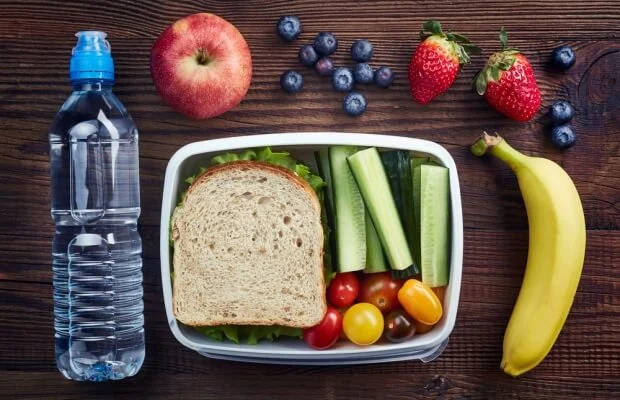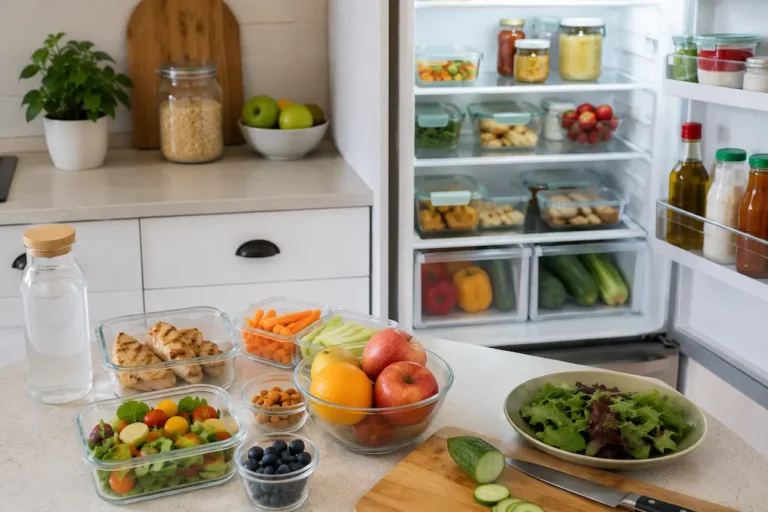
There’s a very familiar pattern many people fall into. The day starts with good intentions—maybe even a plan to eat healthy. But as work, errands, deadlines, and unexpected tasks pile up, food becomes an afterthought. By evening, the easiest option wins: something quick, often processed, and not very nourishing.
I’ve been in that cycle more times than I can count. It’s not that people don’t care about eating well. It’s just that busy days don’t leave much mental space for cooking. That’s where the idea of quick nutrient-dense meals becomes less of a “health goal” and more of a practical survival skill.
The goal isn’t gourmet cooking. It’s building meals that are fast, filling, and actually support your energy instead of draining it.
Understanding What “Nutrient-Dense” Really Means in Real Life
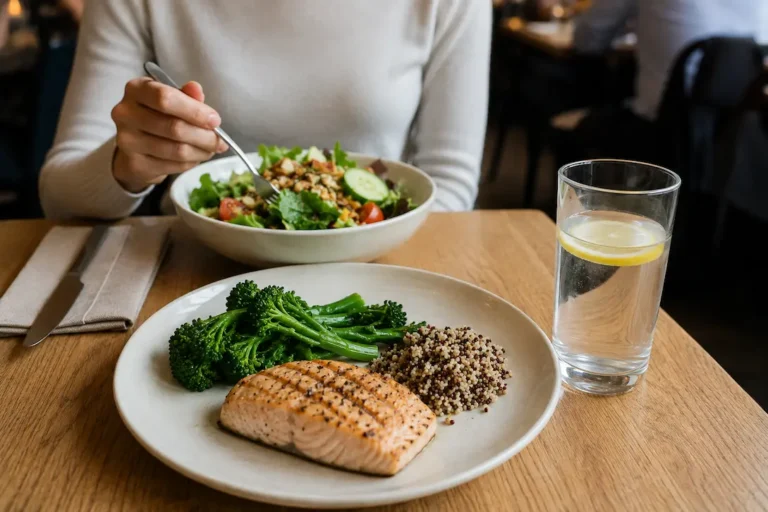
The phrase “nutrient-dense meals” often sounds technical, but in everyday terms, it simply means meals that give you more nourishment per bite. Instead of eating a lot of empty calories, you’re choosing foods that carry protein, fiber, healthy fats, vitamins, and minerals.
But here’s the important part: nutrient-dense doesn’t have to mean complicated.
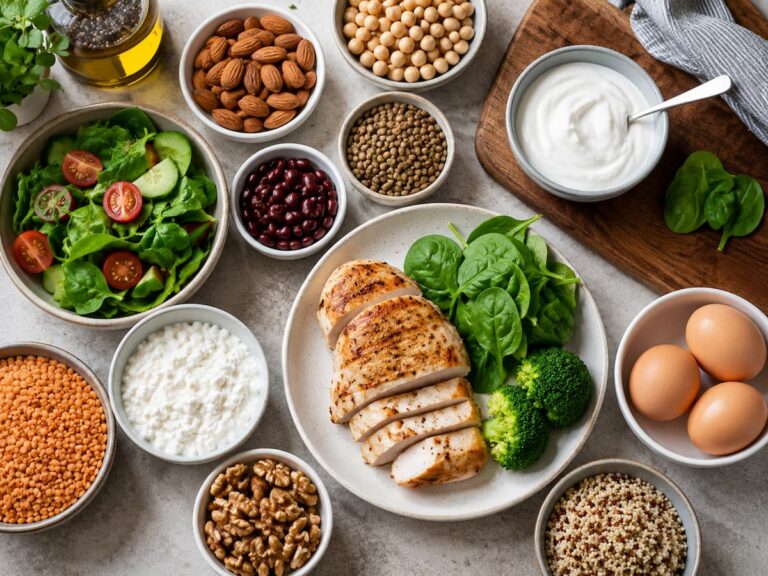
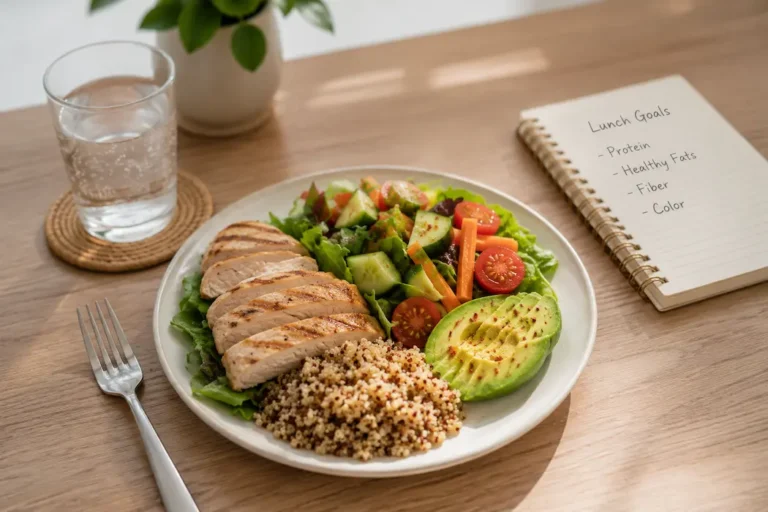
A simple plate can be nutrient-dense if it includes:
- A good protein source (eggs, chicken, lentils, yogurt)
- A fiber-rich base (vegetables, whole grains, fruits)
- A healthy fat (olive oil, nuts, seeds, avocado)
- A simple flavor element (spices, herbs, lemon, garlic)
For example, a bowl of rice with lentils and vegetables might sound basic, but it can be incredibly balanced and satisfying. The key is combining the right elements, not cooking elaborate recipes.
Once you understand this, meal preparation becomes far less intimidating.
The Real Secret: Building a “Quick Kitchen Foundation”
One of the biggest lessons I learned is that quick meals don’t start when you’re hungry—they start when your kitchen is prepared.
A “quick kitchen foundation” simply means keeping a small set of ingredients ready that can be combined in multiple ways.
Here’s what that usually looks like:
Protein basics:
- Boiled eggs
- Cooked chicken or shredded meat
- Lentils or chickpeas (pre-cooked or canned)
- Greek yogurt or plain yogurt
Carbohydrate bases:
- Cooked rice or leftover rice
- Whole wheat bread or wraps
- Oats
- Boiled potatoes
Vegetables:
- Washed leafy greens
- Frozen mixed vegetables
- Cucumbers, carrots, tomatoes (ready to use)
Flavor boosters:
- Olive oil or ghee
- Salt, black pepper, chili flakes
- Garlic paste or powder
- Lemon juice or vinegar
When these basics are available, you don’t “start cooking” from scratch—you assemble meals.
That shift alone can cut cooking time in half.
The 10–15 Minute Meal Formula That Actually Works
On busy days, thinking in recipes doesn’t work. What works better is a simple formula you can repeat with variations.
A practical structure looks like this:
Protein + Fiber + Carbs + Flavor
Let’s break it down into real-life examples:
Example 1: Egg Rice Bowl
- Scrambled eggs (protein)
- Leftover rice (carbs)
- Chopped cucumber or spinach (fiber)
- Soy sauce or spices (flavor)
Example 2: Yogurt Chickpea Wrap
- Boiled chickpeas (protein + fiber)
- Whole wheat wrap (carbs)
- Yogurt dressing (protein + moisture)
- Lettuce or onions (fiber + crunch)
Example 3: Quick Veggie Oats Bowl
- Oats cooked in water or milk (carbs)
- Mixed vegetables (fiber)
- Egg or yogurt on the side (protein)
- Salt, pepper, herbs (flavor)
The idea is not to memorize recipes but to repeat the structure with whatever you already have.
Once this becomes a habit, you stop overthinking meals entirely.
Smart Meal Prep Without Spending Hours in the Kitchen
When people hear “meal prep,” they often imagine spending an entire Sunday cooking containers of identical food. That works for some, but it’s not realistic for most busy lifestyles.
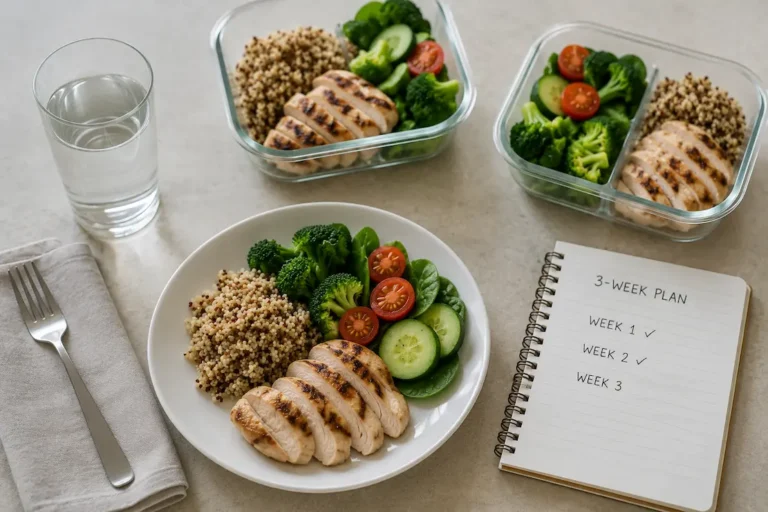
A better approach is light meal prep—small actions that save time later.
Here’s what actually helps:
1. Pre-cook one or two base ingredients
- Rice or quinoa for 2–3 days
- Boiled eggs for quick protein
- Grilled chicken stored in portions
2. Wash and chop in advance
- Cut vegetables and store them in containers
- Wash leafy greens so they’re ready to use
3. Prepare “mix-and-match” boxes
Instead of full meals, store components separately so you can combine them differently each day.
This approach prevents boredom and keeps meals flexible.
Even 30–40 minutes of preparation can simplify several busy days ahead.
How to Turn Leftovers Into Completely New Meals
One of the easiest ways to eat nutrient-dense food quickly is to use leftovers creatively instead of seeing them as repetitive.
Leftovers often feel boring only because they are served the same way. A small change can transform them completely.
For example:
- Leftover rice → fried rice with eggs and vegetables
- Cooked chicken → shredded chicken wraps or salad topping
- Boiled potatoes → mashed potato bowl with spices and yogurt
- Lentils → thick soup or wrap filling
This approach saves time, reduces food waste, and keeps meals interesting without extra effort.
A personal habit that helps is intentionally cooking slightly more at dinner so the next day’s lunch is already half ready.
Building Energy-Friendly Meals for Different Types of Busy Days
Not all busy days feel the same. Some are mentally draining; others are physically tiring. Your meals can adjust slightly based on that.
High-energy busy days:
When you still need focus and clarity:
- Oats with fruit and nuts
- Rice bowls with lean protein
- Smoothies with yogurt and fruits
Physically exhausting days:
When you feel drained:
- Warm lentil soups
- Eggs with toast
- Simple rice and vegetable meals
“No-time-at-all” days:
When cooking feels impossible:
- Yogurt with fruit and seeds
- Boiled eggs with bread
- Peanut butter wraps
- Smoothies or shakes
The idea is not to eat perfectly every day but to match your food with your energy needs.
The Role of Simple Snacks in Preventing Unhealthy Eating
Most unhealthy eating on busy days doesn’t happen during meals—it happens between meals when hunger hits suddenly.
That’s why having simple, nutrient-dense snacks ready is important.
Good options include:
- Nuts and seeds
- Fresh fruit (bananas, apples, oranges)
- Yogurt cups
- Boiled eggs
- Homemade energy bites (oats + peanut butter + honey)
These small snacks prevent extreme hunger, which often leads to fast food or sugary choices.
Keeping snacks visible and easy to grab makes a surprising difference in daily eating habits.
Avoiding the “Too Complicated to Continue” Trap
Many people start eating healthier with strong motivation, but the system breaks down after a few days because it’s too complicated.
The most common mistake is trying to
- Follow too many recipes
- Buy too many special ingredients
- Cook different meals every day
- Over-plan everything
Simplicity is what keeps consistency alive.
A sustainable approach looks like this:
- Repeating a few base meals
- Using flexible ingredients
- Keeping preparation time short
- Allowing simple, imperfect meals
Healthy eating on busy days is not about effort—it’s about consistency with minimal resistance.
Making Nutrient-Dense Eating a Natural Habit, Not a Task
Over time, something interesting happens when you follow a simple system. You stop thinking of meals as decisions. They become automatic combinations based on what’s available.
Instead of asking, “What should I cook?” you start thinking, “What can I quickly combine?”
That shift reduces stress and saves mental energy every single day.
You also start noticing real changes:
- More stable energy throughout the day
- Less reliance on processed food
- Better focus during work
- Fewer last-minute food decisions
It doesn’t require perfection. It only requires repetition of simple habits.
Conclusion
Preparing quick nutrient-dense meals on busy days isn’t about cooking more—it’s about thinking differently. When your kitchen is organized, your ingredients are ready, and your meals follow simple patterns, food stops becoming a daily struggle.
The most effective approach is not complex recipes or strict diets. It’s a flexible system of combining basic ingredients in smart ways. With a little preparation and a few repeatable meal ideas, even the busiest days can include food that is both nourishing and satisfying. In the end, the goal is simple: eat well without letting food control your time or energy.
FAQs
1. What is the fastest nutrient-dense meal I can make on a busy day?
A simple egg bowl with rice or whole-grain bread, plus vegetables, is one of the fastest balanced meals you can prepare in under 10–15 minutes.
2. Do I need to meal prep for nutrient-dense eating?
Not necessarily. Light preparation like cooking rice, boiling eggs, or chopping vegetables can be enough to make quick meals during the week.
3. How can I eat healthy when I don’t have time to cook at all?
Keep ready-to-eat options like yogurt, fruit, nuts, boiled eggs, or smoothies that require no cooking but still provide good nutrition.
4. What are the most important ingredients to keep for quick meals?
Eggs, rice, lentils, vegetables, yogurt, and simple spices form a strong base for almost any quick nutrient-dense meal.
5. How do I avoid getting bored with simple meals?
Rotate ingredients, change seasonings, and use leftovers creatively instead of repeating the exact same dish every day.

Abdur Rahman is a lifestyle writer focused on simple health habits and everyday wellness. He creates easy-to-understand content that helps readers improve their routines without confusion or pressure. His work covers topics like daily health habits, home fitness, simple nutrition, sleep, and stress management. He believes that small, consistent actions lead to meaningful long-term results and aims to make healthy living practical, realistic, and accessible for everyone.