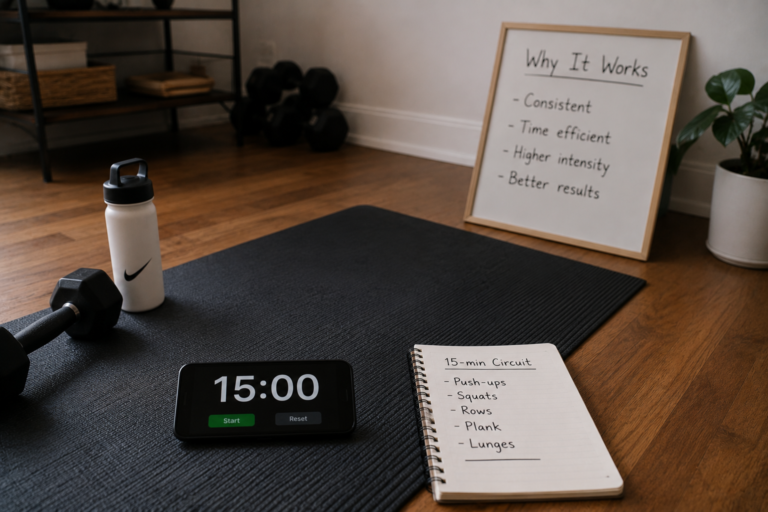

A balanced weekly home workout schedule that prevents burnout is becoming increasingly important in today’s fast-paced lifestyle. Many people start exercising with strong motivation, but over time, that motivation fades when routines feel too intense, repetitive, or difficult to maintain. This is where balance becomes more important than intensity.
In real life, exercise is not just about pushing limits every day. It is about creating a sustainable rhythm that fits into daily responsibilities, energy levels, and personal lifestyle patterns. A balanced schedule helps avoid the common cycle of starting strong, feeling exhausted, and eventually stopping altogether.
Instead of treating fitness as an all-or-nothing effort, a balanced weekly approach focuses on consistency, recovery, and variety. This makes home workouts more realistic for long-term use, especially for people managing work, family, or study routines. In this article, we explore how such a schedule works, why it matters, and how to apply it in everyday life without creating burnout.
The Meaning of a Balanced Weekly Home Workout Schedule
A balanced weekly home workout schedule is not a strict fitness plan that demands high effort every day. Instead, it is a structured routine that mixes different types of activity across the week in a way that allows the body to recover while still staying active.
In practical terms, this means combining active workout days with lighter movement days or rest days. The goal is to avoid overloading the body while still maintaining consistency. Unlike extreme fitness routines, this approach focuses on sustainability and long-term comfort.
At home, this routine might look like alternating between strength exercises, light stretching, and moderate cardio activities. Some days may feel more intense, while others are intentionally easier. This balance helps the body recover naturally while still staying engaged in regular movement.
How a Balanced Schedule Works in Real Life
In real-world application, a balanced weekly schedule works by distributing effort across different days instead of concentrating it all at once. For example, instead of doing heavy workouts every single day, the routine might include a mix of active and recovery-focused sessions.
A typical experience might involve a person doing a strength workout on one day, followed by light stretching or walking the next day. This pattern continues throughout the week, creating a rhythm that feels manageable rather than overwhelming.
What makes this approach effective is its adaptability. Life is unpredictable, and energy levels change from day to day. A balanced schedule allows flexibility, meaning a person can adjust intensity without completely breaking the routine. In daily life, such an approach creates a healthier relationship with exercise, where movement becomes a steady habit rather than a stressful obligation.
Real-World Example:
A Busy Household Managing Fitness at Home
Consider a household where multiple responsibilities overlap—work, school, cooking, and personal time. In such an environment, finding time for exercise can feel challenging. A balanced weekly home workout schedule fits naturally into this lifestyle.
For instance, a parent working from home may start the week with a short strength session in the morning. Midweek, they may focus on light stretching to reduce stiffness from long sitting hours. Toward the weekend, they may engage in a longer but moderate workout session when time allows. In this real-life scenario, exercise does not interfere with responsibilities. Instead, it blends into daily life. This balance helps maintain consistency without creating pressure or fatigue.
Why Balance Matters More Than Constant Intensity
One of the most common mistakes in home fitness is focusing too heavily on intensity. While intense workouts can be effective, doing them too frequently without proper rest can lead to physical and mental fatigue.
A balanced schedule helps avoid this issue by spreading effort across the week. This allows the body time to recover, which is essential for long-term progress and comfort.
In practical terms, such a schedule means fewer chances of feeling exhausted or discouraged. Instead of pushing themselves every day, individuals experience a more natural flow of energy. Some days feel active, while others allow recovery. This rhythm supports long-term consistency, which is often more important than short bursts of effort.
The Role of Recovery in Preventing Burnout
In home workout routines, people often overlook recovery, yet it plays a critical role in preventing burnout. Without adequate recovery, even simple exercises can start to feel draining over time.
A balanced weekly schedule naturally includes recovery periods. These may involve light stretching, walking, or even complete rest days depending on the individual’s needs.
In everyday life, recovery helps maintain energy levels and reduces the feeling of physical strain. It also allows the mind to stay motivated. When the body feels constantly exhausted, motivation tends to drop. Recovery ensures that exercise remains a positive experience rather than a tiring obligation.
How a Balanced Schedule Fits Into Modern Daily Life
Modern lifestyles are often busy and unpredictable. Work schedules change, household responsibilities shift, and energy levels vary. A rigid workout plan can be difficult to maintain under these conditions.
A balanced weekly home workout schedule offers flexibility. It allows individuals to adjust their routine without losing structure. For example, if a planned workout day becomes busy, it can be shifted or replaced with lighter movement.
In practical terms, this approach makes fitness more realistic for everyday life. Instead of trying to follow a strict plan perfectly, individuals focus on maintaining overall balance throughout the week. This reduces stress and increases long-term consistency.
Psychological Benefits of a Balanced Routine
Beyond physical health, a balanced workout schedule also supports mental well-being. One of the main psychological benefits is reduced pressure. When workouts are balanced, there is less guilt associated with rest days or lighter sessions.
In real life, this approach creates a healthier mindset toward fitness. Exercise becomes something enjoyable and sustainable rather than something demanding or stressful. Over time, such an approach helps build a more positive relationship with physical activity.
Another benefit is improved motivation. When workouts are too intense or repetitive, motivation often drops. A balanced routine keeps things varied, which helps maintain interest and engagement.
Common Challenges in Maintaining a Balanced Schedule
Even though a balanced workout plan is effective, it is not always straightforward to maintain. One common challenge is inconsistency. Because the schedule is flexible, some people may unintentionally skip sessions or reduce activity too much.
Another challenge is misunderstanding balance as inactivity. Some individuals may take too many rest days, thinking they are maintaining balance, when in reality they are reducing overall activity levels.
In practical terms, the key challenge is finding the right rhythm. Too much intensity leads to burnout, while too little activity leads to stagnation. The balance lies somewhere in between, and it often takes time to find what works best for each individual.
Real-Life Impact on Energy, Productivity, and Daily Movement
A well-balanced weekly workout schedule can have a noticeable impact on everyday life. One of the most common effects is improved energy levels. When you spread exercise out properly, you do not feel overly drained, which supports better daily functioning.
People often notice that regular, moderate movement helps improve focus and reduce fatigue during the day. This can be especially beneficial for those with desk-based jobs or long working hours.
In practical life, this approach means feeling more active during daily tasks such as walking, cleaning, or working. The body becomes more accustomed to movement, making everyday activities feel easier and less tiring.
How Home Workouts Make Balance Easier to Achieve
Home workouts naturally support a balanced schedule because they remove many external barriers. There is no travel time, no gym pressure, and no strict timing requirements.
This flexibility makes it easier to adjust intensity based on daily energy levels. On busy days, shorter sessions can be done. On lighter days, you can include longer or more focused workouts.
In real-life terms, this adaptability is one of the biggest advantages of home-based fitness. It allows individuals to maintain consistency without disrupting their routine.
Future Trends in Balanced Fitness Approaches
Fitness trends are gradually shifting toward sustainability rather than intensity. More people are recognizing the importance of long-term consistency over short-term effort.
Balanced workout schedules align with this shift. Instead of extreme routines, there is growing interest in adaptable, flexible approaches that fit into real life.
In the future, home fitness is likely to become even more personalized. People may use simple tracking methods or guided routines that adjust intensity based on daily energy levels. This evolution reflects a broader understanding that fitness should support life, not dominate it.
Conclusion:
A balanced weekly home workout schedule that prevents burnout is not about doing more exercise but about doing it in a smarter and more sustainable way. By combining active days with recovery and maintaining flexibility, individuals can create a routine that fits naturally into everyday life.
In practical terms, this approach supports long-term consistency, better energy levels, and a healthier mindset toward fitness. It helps transform exercise from a short-term challenge into a stable part of daily living.
While challenges like inconsistency or mismanagement of rest days may arise, a balanced structure provides enough flexibility to adjust without losing direction. Over time, such an approach leads to a more sustainable and realistic fitness lifestyle.

Abdur Rahman is a lifestyle writer focused on simple health habits and everyday wellness. He creates easy-to-understand content that helps readers improve their routines without confusion or pressure. His work covers topics like daily health habits, home fitness, simple nutrition, sleep, and stress management. He believes that small, consistent actions lead to meaningful long-term results and aims to make healthy living practical, realistic, and accessible for everyone.