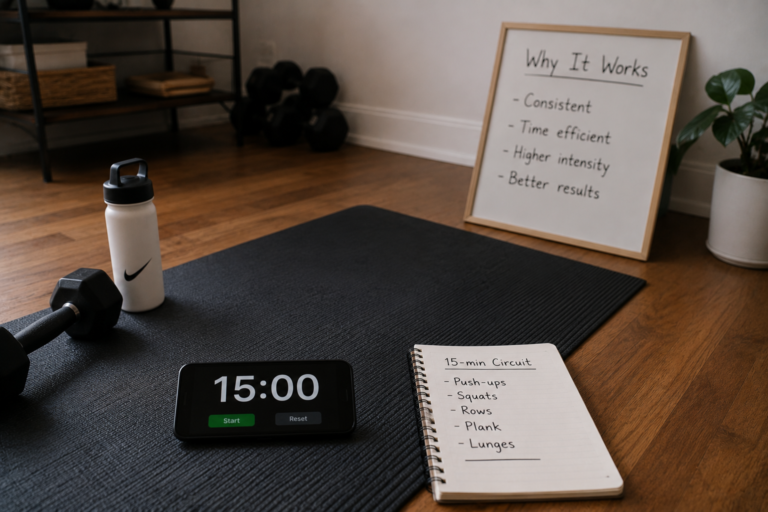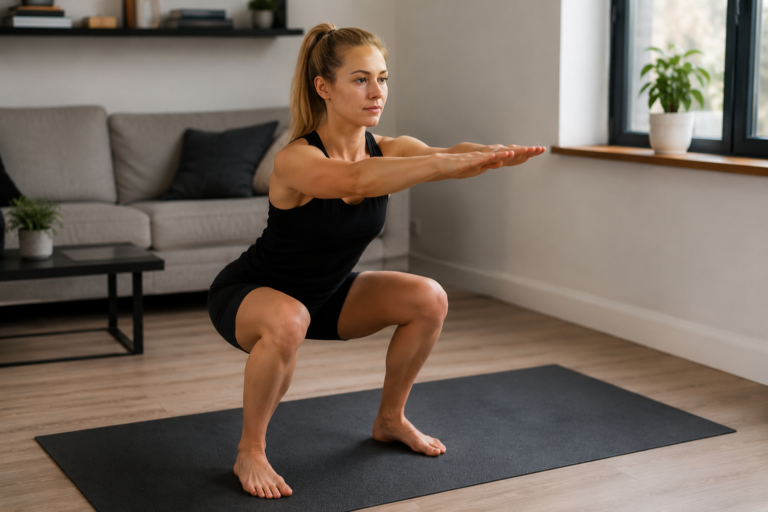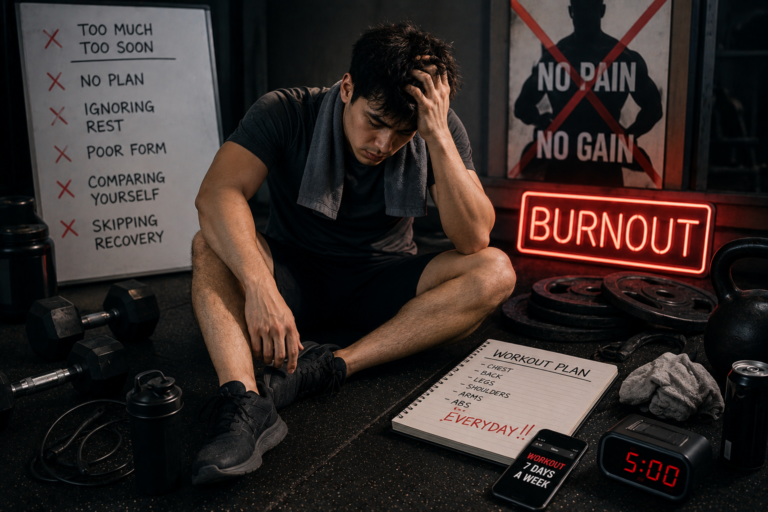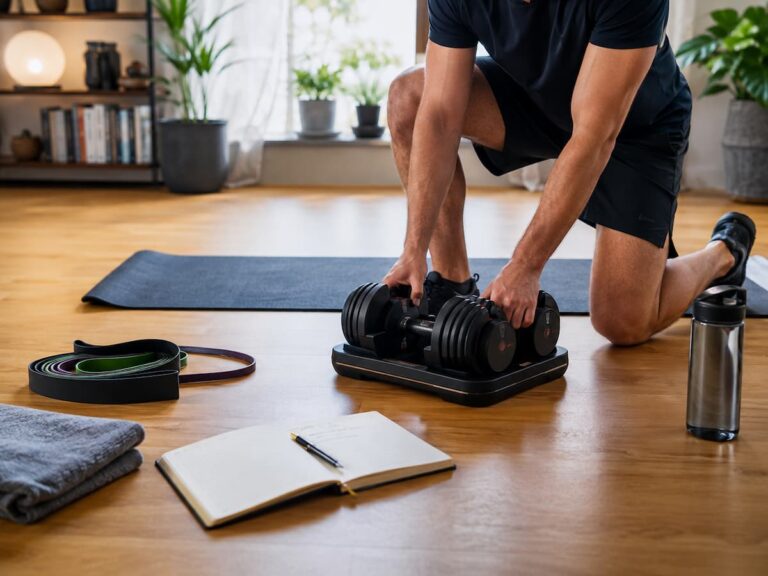
This lesson is something many newbies learn after spending money on workout equipment. The difficulty isn’t about finding more tools. The problem is finding equipment that clears the way between you and your workout. A proper house arrangement should make it easy to begin exercising. It should not take a big room, complicated changes, or a long preparation process before each session. For most beginners, a few key pieces of equipment will get them through months, even years, of development.
The Best Equipment Is the Equipment You Will Actually Use
Building a home workout space taught me that usefulness matters more than features. Fitness companies often advertise equipment by showing everything it can do, but beginners usually need something much simpler: tools that help them perform basic movements consistently.
A piece of equipment can be impressive and still be a poor choice for a home gym. A large machine might offer many exercise options, but if setting it up takes effort or it occupies most of your room, you may avoid using it. A small pair of adjustable weights may seem less exciting, but if you can pick them up every morning without preparation, they often become much more valuable. For beginners, the most useful equipment usually has three qualities:
- Easy access: You can start exercising without a long setup process.
- Multiple uses: The equipment supports different exercises instead of only one movement.
- Long-term value: It remains useful as your strength and fitness level improve.
This approach changes the way you should think about buying workout equipment. Instead of asking, “What can this product do?” ask, “Will this item help me train regularly six months from now?”
The First Piece of Equipment I Would Buy: Adjustable Dumbbells
If I could only keep one piece of strength equipment at home, adjustable dumbbells would be near the top of the list. They solve one of the biggest problems with home workouts: limited space. Traditional dumbbells are useful, but building a complete collection requires multiple pairs and a dedicated storage area. Beginners often do not need dozens of weight options. They need a way to gradually increase resistance as they become stronger.
Adjustable dumbbells allow one set to replace several traditional pairs. They can be used for basic exercises such as presses, rows, squats, lunges, shoulder movements, and many accessory exercises. The reason they remain useful after the beginner stage is progression. A common mistake is buying equipment that only works for the first few weeks of training. Adjustable weights can continue challenging you as your ability improves.
They also encourage consistency because they remove excuses. You do not need to travel to a gym or wait for equipment. The weights are already available whenever you are ready to train. For someone creating a small home setup, this type of equipment usually provides more value than buying several specialized tools that only work for one exercise.
A Workout Mat Is Simple but More Important Than People Expect
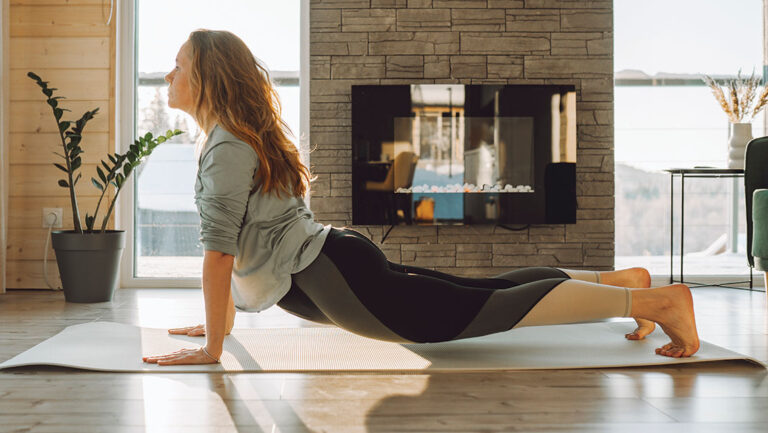
A workout mat is one of those items that may seem unnecessary until you actually start training at home. Many beginners underestimate how much comfort affects consistency. Exercises such as planks, push-ups, stretching, mobility work, and floor-based core movements can become uncomfortable on firm surfaces. When something feels unpleasant, people naturally avoid doing it as often.
A good mat creates a dedicated workout area. Even if you exercise in a small bedroom or living space, placing the mat down can act as a mental signal that it is time to train. The mat does not make the workout more effective by itself, but it removes small barriers. Those small improvements matter because long-term fitness is built through repeated sessions rather than occasional intense workouts. Beginners sometimes spend money on advanced accessories while ignoring basic comfort. In reality, simple equipment that makes you more likely to exercise regularly often provides greater value.
Resistance Bands Became More Useful Than I Expected
When I first started collecting workout equipment, resistance bands did not seem as impressive as weights. They looked too simple compared with heavier equipment. Over time, they became one of the tools I reached for most often. The reason is flexibility. Resistance bands take almost no storage space and can be used for warm-ups, mobility exercises, strength training, and travel workouts. They are also useful when you want to train without creating a lot of noise.
For beginners, bands can help build confidence with movement patterns before progressing to heavier resistance. They can also make certain exercises more challenging by adding resistance through different parts of the movement. They are especially practical for people who have limited space or do not want their home to look like a permanent gym. The mistake is expecting bands to replace every type of training equipment. They are not a complete solution for everyone, but they are an excellent supporting tool that earns its place because they are convenient and adaptable.
The Equipment I Bought That Did Not Survive Long-Term Use
Looking back, some of my purchases seemed like good ideas at the time but did not become part of my routine. This phenomenon is common because buying equipment creates the feeling of progress, even though the actual progress comes from using it consistently. Many beginners make purchases based on motivation rather than their real habits. They imagine the person they want to become instead of considering how they currently train.
Some equipment fails because it requires too much space. Some fail because it only supports one exercise. Some fails because it feels complicated enough that using it becomes a chore. The lesson is that specialized equipment is useful. Advanced tools can be valuable for specific goals. The problem is buying them before understanding whether they fit your actual training routine. A simple setup that you use consistently will usually outperform an expensive collection of equipment that you rarely touch.
Start With Movements, Not Products
A better way to choose home workout equipment is to think about the movements you want to perform first. Equipment should support your training goals, not determine them.
Most beginners can build a strong foundation around basic movement patterns:
- Squatting movements for the lower body.
- Pushing movements for the chest, shoulders, and arms.
- Pulling movements for the back and upper body.
- Core exercises for stability and control.
- Mobility exercises for movement quality.
Once you know what movements you want to train, choosing equipment becomes easier. You are no longer buying random products because they look useful. You are selecting tools that solve specific training needs. This approach also prevents a common beginner problem: having a room full of equipment but no clear workout plan.
A Pull-Up Bar Is Useful, but Not Essential for Everyone
A pull-up bar is one of those pieces of equipment that can be extremely valuable for some people and completely unnecessary for others. After experimenting with different home workout tools, I realized that not every useful item needs to become part of every beginner’s setup.
Pulling movements are often harder to train at home compared with pushing movements. Many beginners can easily perform push-ups or squats without equipment, but exercises that target the back require more creativity. A pull-up bar can solve that problem by providing a way to train vertical pulling strength at home.
However, there are practical things to consider before buying one. The type of doorway, available space, installation method, and your current strength level all matter. Someone who cannot perform a single pull-up yet may still benefit from a bar for assisted movements, hanging exercises, and gradual progression, but they should understand how it fits into their routine.
For a beginner with limited space and budget, I would not place a pull-up bar above adjustable weights, a mat, or resistance bands. It is a useful addition, but it usually comes after the basics are already covered. The important lesson is that equipment should solve a training limitation. If you already have a way to train your major movement patterns, adding another tool may not immediately improve your results.
Why I Stopped Chasing Fitness Gadgets
The fitness market is full of products designed around convenience, novelty, and quick improvement. Some of these products are helpful, but many rely on the idea that the next purchase will finally make workouts easier. I learned that the biggest improvement usually came from making my routine simpler, not from adding more equipment.
There were times when I bought tools because they looked useful in advertisements. They promised better results, more exercise options, or faster progress. But after the excitement faded, many of them ended up with more decisions to make than benefits to enjoy. Every additional piece of equipment requires storage, maintenance, and a reason to use it. If something does not regularly contribute to your workouts, it becomes another object taking up space.
This does not mean all fitness accessories are unnecessary. Some tools can improve training, especially for people with specific goals. The problem is that people often buy equipment before they understand what problem it solves. A beginner does not need a perfect home gym. A beginner needs a setup that removes friction and makes exercise easier to repeat.
The Small Equipment Setup That Covers Most Beginner Needs
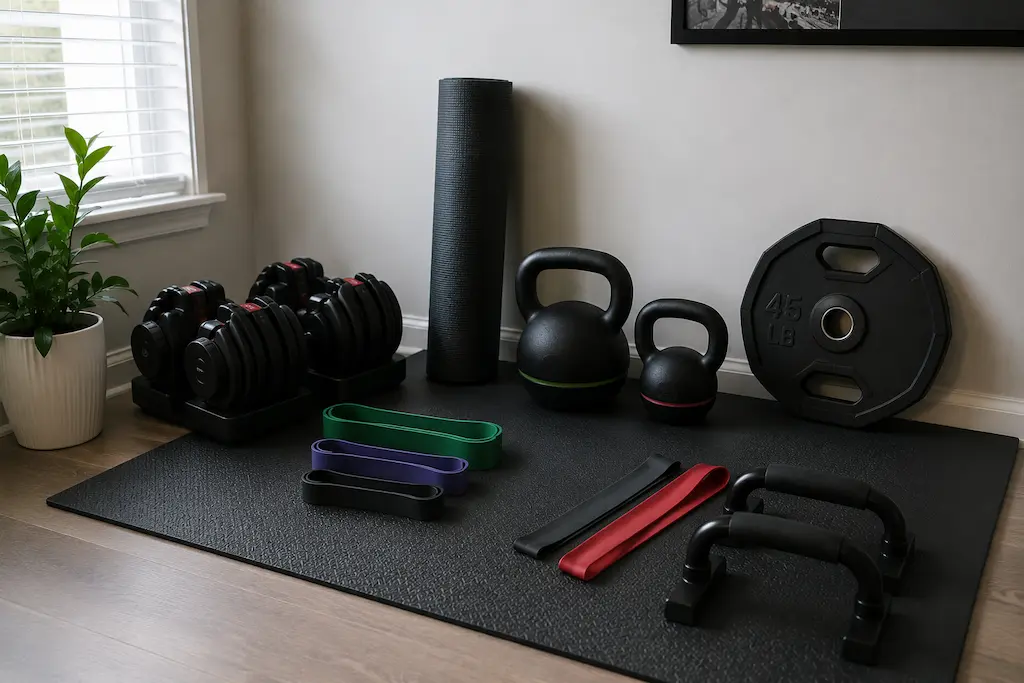
After years of trying different options, I believe most beginners can build an effective home workout space without filling an entire room. The goal is not to recreate a commercial gym. The goal is to have enough tools to train consistently. A practical beginner setup usually focuses on flexibility. Each item should support multiple exercises and continue being useful as your ability improves.
| Equipment | Why It Is Useful | Best For |
|---|---|---|
| Adjustable dumbbells | Provide progressive resistance without needing many separate weights. | Strength training and muscle building |
| Workout mat | Makes floor exercises more comfortable and creates a dedicated workout area | Core work, mobility, stretching, bodyweight exercises |
| Resistance bands | Offer portable resistance and support many exercise variations. | Beginners, warm-ups, travel workouts |
| Pull-up bar | Adds pulling exercises that are difficult to perform without equipment | Upper-body strength development |
This type of setup is enough for many people to train for years. The equipment itself does not create progress. The value comes from having tools that allow consistent training and gradual improvement.
What Beginners Usually Get Wrong When Buying Equipment
The most significant mistake beginners make is buying based on motivation rather than reality. A person may feel highly motivated after deciding to start exercising and immediately purchase everything they think a serious athlete needs. The problem is that motivation changes. A home gym should be designed for your normal routine, not your most enthusiastic day.
Another common mistake is buying equipment without learning how it will be used. A product may have dozens of exercises, but if you do not know how it fits into your workouts, those options are of limited value. Some beginners also underestimate basic equipment because it looks too simple. A pair of weights, a mat, and a few resistance tools may not look impressive, but they can support hundreds of effective workouts.
The equipment should support the habit. The habit should not depend on having more equipment.
Common buying mistakes include:
- Purchasing large equipment before creating a consistent routine.
- Choosing products because they are popular online.
- Buying single-purpose tools too early.
- Ignoring storage requirements.
- Assuming expensive equipment automatically creates better results.
- Collecting accessories instead of improving workout consistency.
How Much Equipment Do You Really Need to Get Started?
The answer depends on your goals, but beginners often need less than they expect. If your main goal is becoming stronger, improving fitness, or building a consistent exercise habit, a small amount of equipment can be enough.
The first priority should be removing obstacles. If you have limited space, choose equipment that can be stored easily. If you travel often, portable tools are a good choice. If you enjoy strength training, invest in adjustable resistance rather than decorative accessories. A beginner who purchases one useful item and uses it regularly will usually make more progress than someone who buys a complete home gym but struggles to maintain a routine.
Before purchasing anything, consider three questions:
- Will I use this equipment at least several times each month?
- Does it support more than one exercise or goal?
- Will it still be useful after I become stronger?
If the answer is no, waiting may be the better choice.
Creating a Home Workout Space Without a Dedicated Room
Many people delay home workouts because they imagine they need a separate gym room. That is not true for most beginner routines. A small workout area can be enough. A corner of a bedroom, part of a living room, or an open floor space can work if the equipment is organized and easy to access.
One thing I noticed over time is that convenience affects consistency. If you hide equipment away in difficult storage, you are less likely to use it. If your basic tools are easy to reach, starting a workout requires less effort. This is why simple equipment often works well in home environments. A pair of adjustable dumbbells can be stored neatly. Resistance bands can fit into a small drawer. A mat can be rolled away when not in use. The best home workout space is not necessarily the largest one. It is the one that makes training feel easy to start.
Maintaining Your Equipment Keeps It Useful Longer
Home workout equipment does not require complicated maintenance, but small habits can extend its lifespan and keep workouts safer. Weights should be stored properly instead of left where they can damage floors or create unnecessary clutter. Resistance bands should be checked occasionally for signs of wear. Mats should be cleaned regularly because sweat and dust can build up over time.
Maintenance also includes checking whether your equipment still fits your needs. A beginner may start with lighter resistance and eventually need additional weight options. A workout routine may change, making some equipment less useful. Instead of constantly buying new items, review what you already own. Sometimes the best upgrade is learning how to use existing equipment more effectively. Taking care of simple equipment allows it to remain part of your routine for years rather than becoming another forgotten purchase.
The Equipment I Would Recommend to Someone Starting Today
If someone asked me to create a home workout system for beginners from scratch, I would not suggest buying everything immediately. I would start with the smallest collection that supports consistent training.
The first purchase would be adjustable dumbbells because they provide long-term progression and support many exercises. A comfortable workout mat would come next because it makes bodyweight training and mobility work easier. Resistance bands would follow because they add variety without taking up space. A pull-up bar or additional equipment would depend on the person’s goals and available space.
The most significant change in my thinking after two years is that equipment should earn its place. The products I still use are not the ones that looked most impressive when I bought them. They are the ones that quietly became part of my weekly routine. That is the standard beginners should use when building a home gym.
Conclusion
FAQs
1. What is the first home workout equipment a beginner should buy?
Adjustable dumbbells are one of the most useful first purchases for most novices since they support several exercises and allow for gradually increasing resistance. But the ideal first pick will rely on your goals, available space, and chosen method of training.
2. Can a beginner grow muscle with simple home equipment?
Yes. Beginners can achieve big improvements with just a few pieces of equipment by emphasizing incremental resistance, regular training, and correct exercise form. Having more equipment may not always result in greater performance.
3. Is it worth splurging on costly home gym equipment?
They can be valuable to individuals with special aims or to those with appropriate room, but many novices don’t require these. A smaller system can frequently be more valuable, easier to utilize on a regular basis, and easier to keep up with.
4. How to avoid spending money on fitness equipment?
Before you buy, consider how often you’ll use it, whether it supports multiple exercises, and whether it will be useful as you progress. Don’t buy equipment because it looks spectacular or is popular.
5. How much room do you need for a home gym space?
Many beginner exercises require simply a mat’s worth of space on the floor and room to move around securely. You don’t need a specialized gym area to create a successful workout environment, but it helps.

Abdur Rahman is a lifestyle writer focused on simple health habits and everyday wellness. He creates easy-to-understand content that helps readers improve their routines without confusion or pressure. His work covers topics like daily health habits, home fitness, simple nutrition, sleep, and stress management. He believes that small, consistent actions lead to meaningful long-term results and aims to make healthy living practical, realistic, and accessible for everyone.