Creating a small-space workout corner that encourages daily exercise is becoming increasingly relevant in modern life. Many people live in apartments, shared homes, or compact spaces where traditional home gyms simply aren’t realistic. At the same time, busy schedules, long commutes, and digital lifestyles make it harder to maintain consistent physical activity. This combination often leads to a familiar cycle: good intentions, inconsistent workouts, and eventually giving up on home fitness entirely.
A dedicated workout corner changes this dynamic in a surprisingly powerful way. Instead of treating exercise as a separate, complicated activity that requires travel or elaborate preparation, it becomes part of the everyday environment. The idea is simple but impactful: when movement becomes visible and accessible, it becomes easier to act on.
In practical terms, a small-space workout corner is less about equipment and more about behaviour design. It is about shaping the home environment in a way that quietly encourages daily movement without overwhelming the space or the schedule. This article explores how this concept works, why it matters, and how it can realistically fit into daily life.
Understanding What a Small-Space Workout Corner Really Is
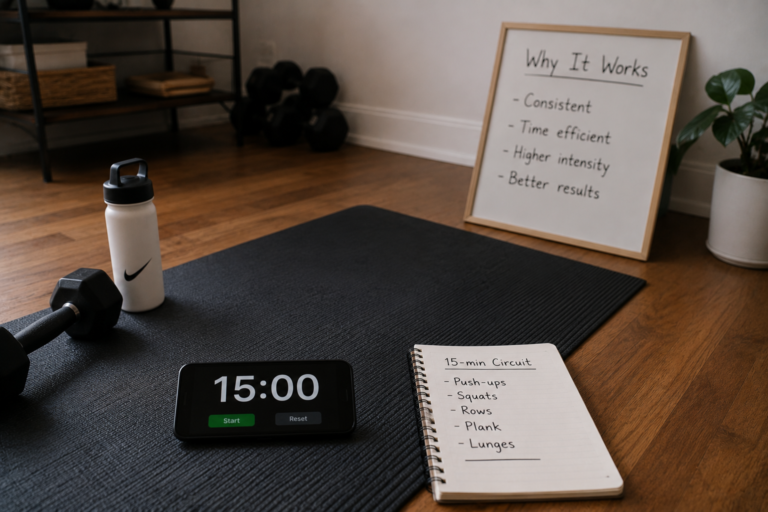
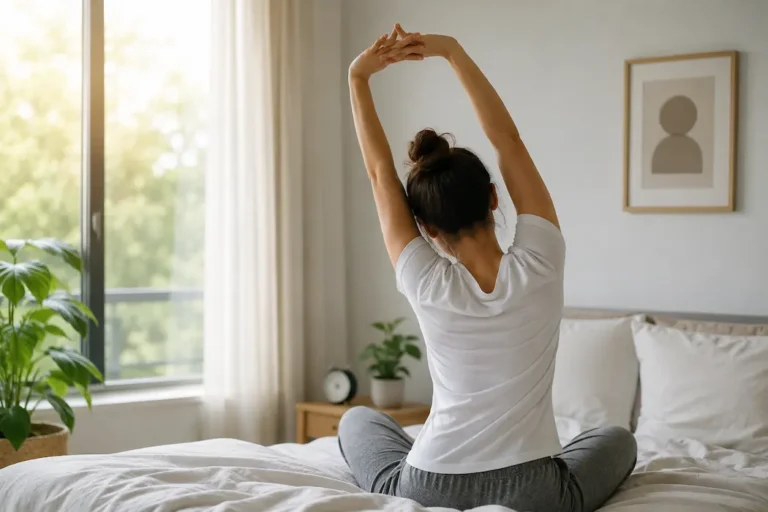
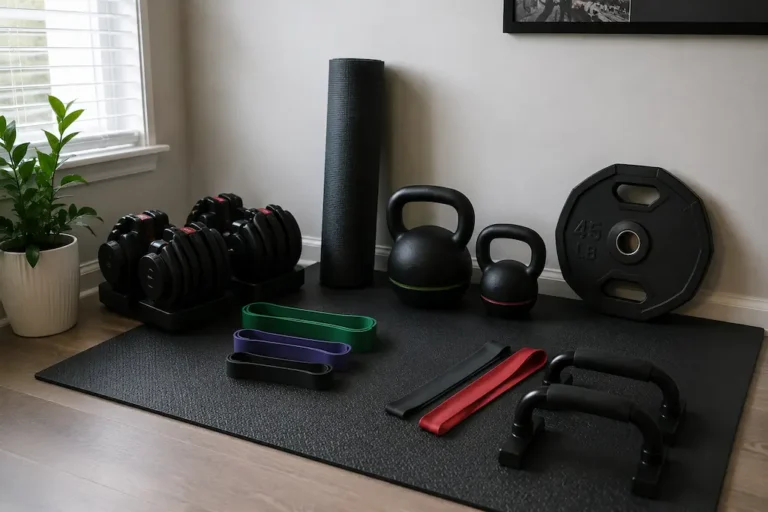
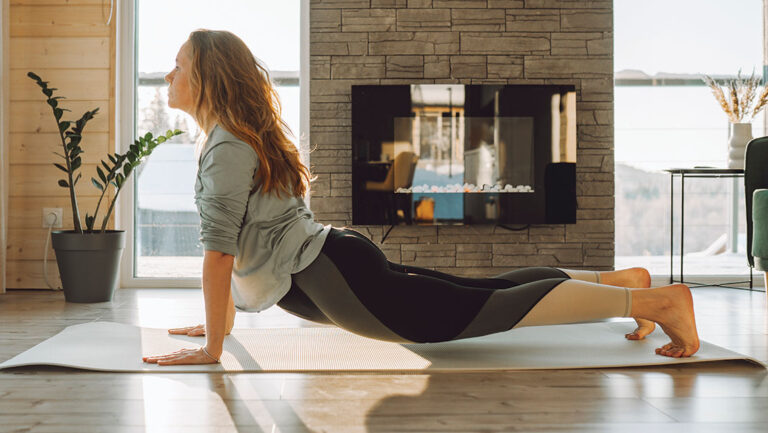
A small-space workout corner is not a mini gym packed with machines. Instead, it is a dedicated area designed specifically to support quick, convenient, and regular physical activity. This space could be as small as a yoga mat beside a bed, a cleared corner of the living room, or a folded setup inside a wardrobe.
The key element is intentional design. The space exists for one purpose: movement. Even if the area is small, its presence sends a constant visual reminder that exercise is part of the daily routine. Over time, this visual cue becomes psychologically powerful. People no longer need to “find time” to exercise because the space itself reduces the friction between intention and action.
In daily life, this means fewer excuses and less resistance. When the workout space is always ready, there is no need to rearrange furniture, search for equipment, or mentally prepare for a long session. The barrier to starting becomes extremely low, which is one of the most important factors in building consistent habits.
How Environmental Design Influences Daily Exercise Habits
Human behaviour is deeply influenced by surroundings. The layout of a home can encourage or discourage certain habits without conscious awareness. For example, a visible fruit bowl often leads to healthier snacking, while a television placed at the centre of a room naturally encourages more screen time. The same principle applies to exercise. When a workout area is integrated into daily living space, movement becomes part of the environment rather than a separate task. This subtle shift reduces the mental effort required to begin exercising.
In practical terms, this means that a five-minute stretch session becomes more likely to happen when the mat is already laid out. A short strength workout feels easier when resistance bands are visible and accessible. The environment quietly nudges action, turning exercise into a natural extension of daily life rather than a scheduled event that can be postponed.
Real-World Example: How Small Spaces Become Functional Fitness Areas
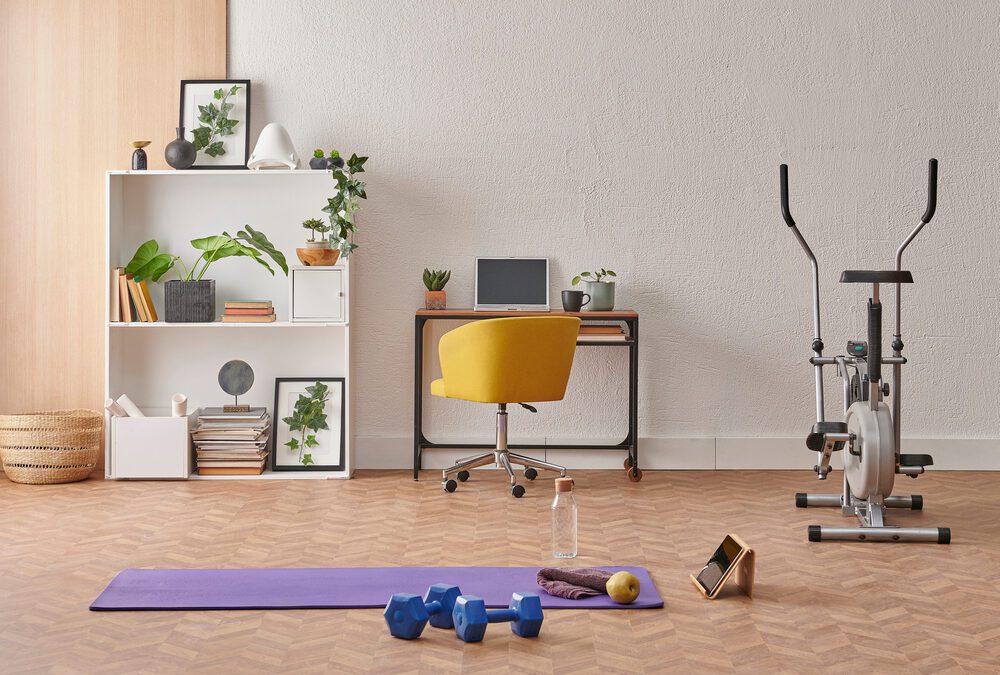
Consider a typical small apartment living room that serves multiple purposes. It may function as a workspace during the day, a relaxation area in the evening, and a social space on weekends. At first glance, adding a workout area might seem unrealistic.
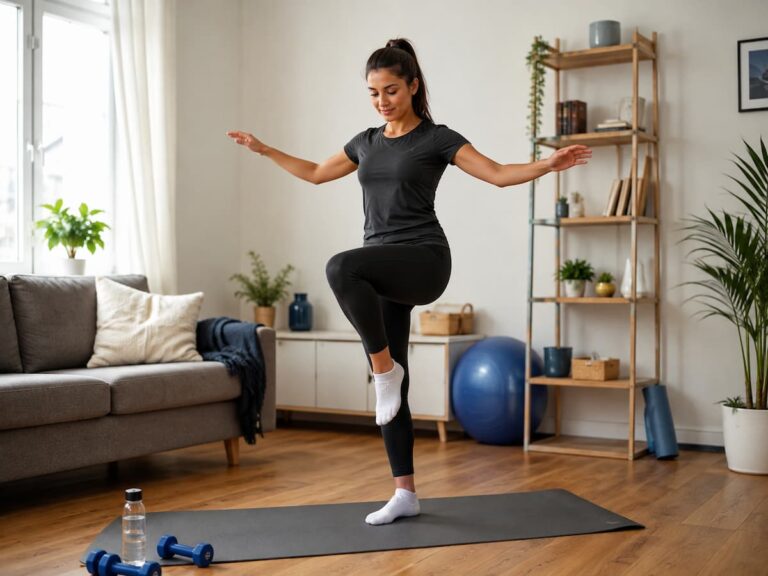
However, many people successfully convert small sections of such spaces into functional fitness corners. A folded mat stored behind a couch, a compact shelf holding resistance bands, and a wall hook for a jump rope can transform an unused corner into a practical workout zone.
In real life, this setup often leads to spontaneous exercise. Someone might finish a work call and decide to stretch for five minutes. Another person might do a short workout while watching television. These small actions accumulate over time, creating meaningful change without requiring major lifestyle adjustments.
Why This Matters for Individuals and Households
The importance of a small-space workout corner goes beyond convenience. It directly affects consistency, which is one of the biggest challenges in maintaining physical activity. Many people do not struggle with knowing what to do; they struggle with doing it regularly.
A dedicated workout corner removes several common barriers. There is no need to travel to a gym, wait for equipment, or adjust schedules significantly. Exercise becomes flexible and adaptable to daily routines. For households, this concept can also create a shared culture of movement. When one person uses the space regularly, others may feel encouraged to try it as well. Over time, the presence of a visible workout area can normalise physical activity within the home environment.
The Psychological Impact of Having a Visible Workout Space
One of the most interesting aspects of a workout corner is its psychological effect. Seeing the space daily reinforces the idea that exercise is part of everyday life. This constant visual cue helps reduce procrastination and decision fatigue.
In practical terms, this means fewer internal debates about whether to exercise. The space already exists, the equipment is ready, and the barrier to starting is minimal. This subtle shift can significantly increase the likelihood of short, consistent workouts. Over time, this consistency often becomes self-reinforcing. Small daily actions build confidence, and confidence makes future workouts feel easier to start. The result is a gradual but meaningful change in lifestyle.
Practical Design Considerations for Small-Space Workout Corners
Designing a workout corner in a small space requires thoughtful planning. The goal is to balance functionality with minimal disruption to daily living. The area should feel inviting and easy to use without making the home feel cluttered.
In real life, this often involves choosing compact, versatile equipment and prioritising floor space. Items that can be stored vertically or folded away tend to work best. Lighting and ventilation also play a role, as a bright and comfortable space feels more motivating. The most important consideration, however, is accessibility. If setting up the workout area takes too long, the likelihood of daily use decreases. Simplicity is key.
How This Concept Applies to Remote Work and Modern Lifestyles
Remote work has changed how people use their homes. Living spaces now double as offices, classrooms, and entertainment areas. This shift has made it even more important to create intentional zones for movement.
A small workout corner provides a physical break from screens and sitting. It creates a clear boundary between work and physical activity, even within the same room. In practical terms, this helps reduce long periods of inactivity that often come with remote work. Many people find that short movement breaks improve focus and energy throughout the day. A visible workout area makes these breaks easier to adopt.
Challenges and Limitations of Small-Space Fitness Areas
While the benefits are significant, small-space workout corners also come with challenges. Limited space can restrict certain types of exercise, and shared living environments may require coordination with others.
Noise can also be a concern, especially in apartments. High-impact exercises may not always be practical. Additionally, maintaining motivation can still be difficult without variety or structured routines. Recognising these limitations is important because it encourages realistic expectations. A small workout corner is not meant to replace all forms of exercise but to support daily movement in a convenient way.
Real-World Adaptation: Making the Space Work Long-Term
Over time, the workout corner may evolve based on changing needs and preferences. Some people add new equipment, while others simplify their setup. The key is flexibility.
In practical terms, this means regularly reassessing how the space is used. If certain items are rarely used, replacing them with more practical alternatives can keep the area functional and inviting. This adaptability helps ensure the workout corner remains relevant and useful rather than becoming unused space.
Future Trends in Small-Space Home Fitness
The future of home fitness is increasingly focused on flexibility and accessibility. Compact equipment, digital workouts, and multi-purpose furniture are becoming more common. These trends support the idea that fitness can fit into everyday environments without requiring large dedicated rooms.
Technology also plays a growing role. Virtual workouts, guided sessions, and interactive fitness platforms make small spaces more functional. This evolution suggests that small-space workout corners will continue to become more practical and popular.
The Broader Impact on Daily Life and Well-Being
A small-space workout corner does more than support physical activity. It influences daily routines, energy levels, and overall lifestyle balance. Even short daily workouts can create a sense of accomplishment and structure.
In practical terms, this means starting the day with movement, taking active breaks during work, or unwinding with stretching in the evening. These small habits contribute to a more active and balanced daily rhythm.
Conclusion:
Creating a small-space workout corner that encourages daily exercise is a simple yet powerful concept. By reducing barriers and integrating movement into the home environment, this approach makes consistent physical activity more achievable for many people.
The impact extends beyond fitness. It influences daily routines, household habits, and long-term lifestyle patterns. While challenges exist, thoughtful design and realistic expectations can make the concept practical and sustainable. Ultimately, a small workout corner represents a shift in mindset. Exercise becomes less about finding time and more about creating an environment where movement naturally fits into daily life.
FAQs
1. How much space is needed for a workout corner?
A workout corner can fit in a very small area, often the size of a yoga mat. The focus is on accessibility rather than size.
2. Can a small workout corner replace a gym membership?
It can support daily movement and short workouts, but some people may still prefer gyms for variety and specialised equipment.
3. What type of exercises work best in small spaces?
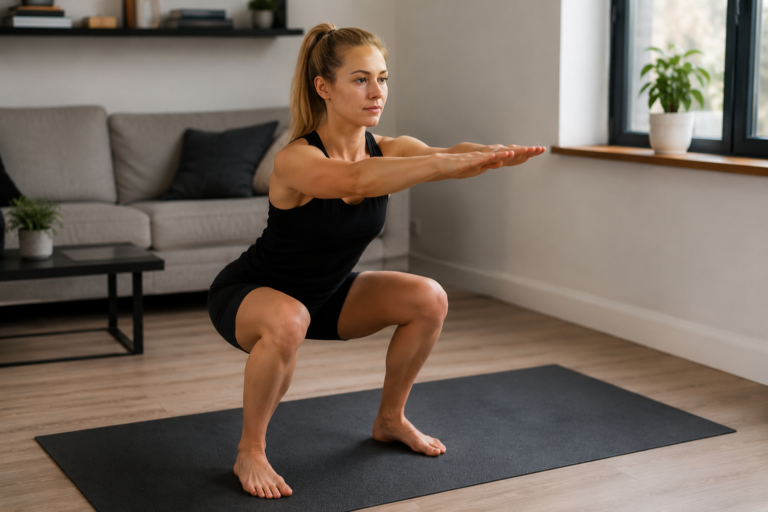
Bodyweight exercises, stretching, yoga, and resistance training typically work well in compact areas.
4. How can motivation be maintained when exercising at home?
Keeping the space visible, setting simple routines, and starting with short sessions can help maintain consistency.
5. Is a workout corner suitable for families?
Yes, it can encourage shared physical activity and create a culture of movement within the household.

Abdur Rahman is a lifestyle writer focused on simple health habits and everyday wellness. He creates easy-to-understand content that helps readers improve their routines without confusion or pressure. His work covers topics like daily health habits, home fitness, simple nutrition, sleep, and stress management. He believes that small, consistent actions lead to meaningful long-term results and aims to make healthy living practical, realistic, and accessible for everyone.