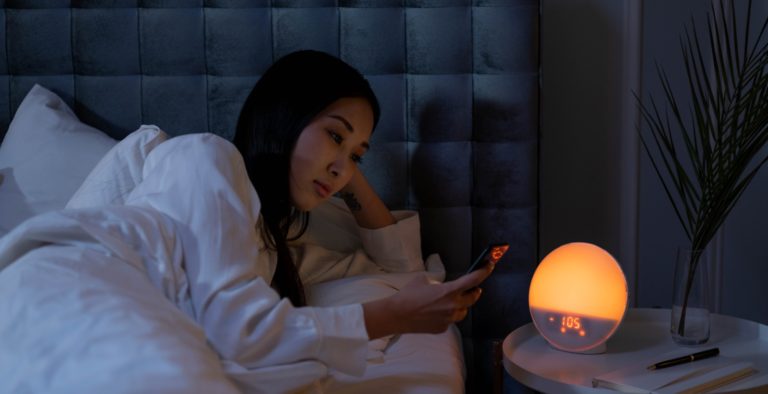

1. How Bedroom Temperature Affects Sleep
Your body does not maintain exactly the same temperature throughout the entire day and night. Core body temperature follows a daily rhythm and normally falls as you approach sleep. This cooling process is closely connected with the body’s sleep-wake cycle.
Because of this, the temperature of your bedroom can influence how comfortable you feel while falling asleep and staying asleep. A room that is excessively warm can make it harder for the body to release heat. On the other hand, a room that is uncomfortably cold may leave you shivering or constantly adjusting your blankets.
Scientific reviews have found that thermal conditions can affect sleep, including nighttime awakenings and the amount of time spent in different sleep stages. Heat is especially likely to become uncomfortable when combined with high humidity because sweat does not evaporate as efficiently. This does not mean there is one perfect temperature for every person. Age, clothing, bedding, health, personal preference, room airflow, and the local climate can all change how a particular temperature feels.
Think of bedroom temperature as part of a larger sleep environment. The thermostat is only one piece of the puzzle.
2. What Is the Best Bedroom Temperature for Sleep?
There is no universal temperature that guarantees good sleep for everyone. However, many sleep experts suggest starting with a relatively cool bedroom. A commonly cited range for adults is around 60–68°F (15.5–20°C), with some sources giving a somewhat wider comfortable range.
The Sleep Foundation, for example, identifies approximately 65°F (18.3°C) as a useful target for many people, while also emphasizing that individual comfort varies. Rather than treating 65°F as a rule, use it as a starting experiment. If you are comfortable at 68°F, there is no reason to force yourself to sleep at 65°F. Likewise, someone who feels comfortable at a slightly cooler temperature may not need to change it.
| Bedroom condition | What you may notice | Possible adjustment |
|---|---|---|
| Too warm | Sweating, restlessness, throwing off covers | Lower the temperature, improve airflow, use lighter bedding |
| Comfortably cool | Relaxed without shivering or sweating | Keep the setup consistent |
| Too cold | Shivering, cold hands or feet, repeatedly pulling up covers | Add bedding or slightly increase room temperature |
The goal is not to make the room as cold as possible. The goal is to create a temperature that allows your body to remain comfortable without excessive heat buildup or cold discomfort.
3. What Happens When Your Bedroom Is Too Hot?
A hot bedroom can be particularly frustrating because tiredness does not automatically overcome physical discomfort. You may feel sleepy but still struggle to settle down because your body feels warm, sweaty, or restless. Research on thermal environments has found that excessive heat can increase wakefulness and reduce certain stages of sleep. Humid heat can add another layer of discomfort by making it harder for sweat to evaporate and cool the skin.
Signs your bedroom may be too warm
- You wake up sweating or feeling unusually hot.
- You repeatedly remove and replace your blanket.
- Your pillow feels hot and uncomfortable.
- You feel restless even though you are tired.
- You wake several times during particularly warm nights.
- The room feels stuffy when you enter it before bedtime.
Before assuming that you need a much colder thermostat setting, look at the whole room. A thick comforter, heavy pajamas, direct sunlight during the afternoon, poor ventilation, or heat-producing electronics can all contribute to heat buildup.
Do not assume that making the room extremely cold will automatically improve sleep. Excessive cold can create its own discomfort and may simply replace one sleep problem with another.
4. Can a Bedroom Be Too Cold?
Yes. Although a cooler room is often recommended for sleep, comfort still matters. If your bedroom is cold enough to make you shiver, wake up because you are uncomfortable, or constantly pull the blanket around yourself, the temperature may be too low for you.
Bedding and sleepwear make a major difference here. A person using a thick, insulating duvet may be comfortable in a cooler room, while someone using a thin sheet may need a warmer environment. This is why room temperature should not be considered separately from what is happening in the bed. Your body experiences a small thermal environment created by the room, mattress, sheets, blanket, pajamas, and airflow.
Simple solutions for a cold bedroom
- Add a comfortable blanket instead of dramatically increasing the thermostat.
- Wear breathable layers that can be removed easily.
- Check whether cold air is entering through gaps around windows or doors.
- Keep your feet comfortably covered if cold feet are disturbing sleep.
- Warm the room before bedtime when practical, rather than overheating it all night.
The best setup is one that keeps you comfortably warm without causing sweating or excessive heat buildup.
5. Why Your Body Temperature Changes at Night
Sleep and temperature are closely connected. Your core body temperature follows a circadian pattern, and it normally begins to decline before and around the time you become sleepy.
Researchers studying sleep and thermoregulation have found that body cooling is closely associated with the transition toward sleep. During normal sleep, the body continues to regulate heat, although thermoregulatory responses can differ across sleep stages. This helps explain why a comfortable bedroom can support sleep without directly “causing” sleep. Temperature is one environmental factor interacting with the body’s internal sleep system.
Why this matters in practical terms
Imagine going to bed after spending an hour in a very warm room. Your body is trying to cool itself, but the surrounding air is also warm. If your blanket and pajamas trap additional heat, you may have difficulty becoming comfortable.
Now imagine a moderately cool room with breathable bedding. Your body has more opportunity to release heat, while the bedding provides enough insulation to prevent you from becoming uncomfortably cold. The second situation is often easier to manage because you have several simple ways to adjust comfort.
6. How Bedding and Sleepwear Change Temperature Comfort
One of the most overlooked parts of sleep temperature is the bed itself. Two people can sleep in the same room but experience completely different temperatures because their bedding and sleepwear are different. Research on sleep environments has highlighted the importance of bedding and clothing in creating a small thermal environment around the sleeper.
| Sleep setup | Potential benefit | Possible problem |
|---|---|---|
| Light sheet | Easy to stay cool | May not provide enough warmth in winter |
| Medium blanket | Flexible for changing temperatures | May become warm in humid weather |
| Heavy comforter | Useful in cold conditions | Can trap too much heat |
| Breathable sleepwear | Allows easier temperature adjustment | May not provide enough warmth in a cold room |
If you wake up hot but your bedroom temperature seems reasonable, try changing the bedding before making a large thermostat adjustment. Removing one heavy layer may solve the problem without making the entire room colder.
7. Why Humidity and Airflow Matter
Temperature is not the only part of thermal comfort. Humidity and airflow can change how the same temperature feels. For example, a warm bedroom with high humidity may feel much more uncomfortable than a similarly warm room with drier air. When humidity is high, sweat evaporates less efficiently, which reduces one of the body’s natural cooling methods.
Air movement can also change comfort. A fan does not necessarily make the room much colder, but moving air across the skin can help you feel cooler. This can sometimes improve comfort without dramatically changing the thermostat.
Practical ways to improve the room
- Use a fan to improve air movement when appropriate.
- Ventilate the room when outdoor conditions allow it.
- Reduce unnecessary sources of heat in the bedroom.
- Use curtains or blinds to reduce daytime heat buildup.
- Consider humidity control if the room regularly feels damp or unusually dry.
Keep in mind that opening a window is not always helpful. If the outdoor air is extremely hot, humid, polluted, or noisy, closing the window and using controlled cooling may be more comfortable.
8. How to Stay Comfortable During Hot Nights
Summer can make temperature-related sleep problems more obvious. A bedroom that is comfortable during the afternoon may become uncomfortable after the sun has warmed the walls, roof, windows, and furniture.
Start cooling before bedtime
Do not wait until you are already sweating in bed. If possible, cool the bedroom before you go to sleep. Closing curtains during the hottest part of the day can also reduce heat entering through windows.
Reduce bedding instead of only lowering the thermostat
If your room is reasonably cool but your bed still feels hot, the mattress and bedding may be trapping heat. Try using a lighter blanket or sheet and breathable sleepwear.
Improve airflow
A fan can help circulate air and make the room feel more comfortable. Place it so that it improves air movement without creating an annoying draft that keeps you awakBest Practice: When troubleshooting summer sleep, make one change at a time.eep. This helps you identify whether the problem is the room temperature, bedding, airflow, or humidity.
9. How to Stay Comfortable During Cold Nights
Cold weather creates the opposite challenge. You want enough warmth to remain comfortable, but an overly warm bedroom can become stuffy or uncomfortable once you are under the covers. Layering is often a practical solution. Instead of setting the heating system very high, use bedding that can be adjusted during the night.
A simple cold-weather setup
- Keep the bedroom comfortably cool rather than extremely cold.
- Use a sheet plus a moderate blanket or duvet.
- Add another layer if you still feel cold.
- Wear comfortable sleepwear that does not restrict movement.
- Check windows and doors for obvious drafts.
If you frequently wake up cold, pay attention to when it happens. If the room becomes colder several hours after bedtime, your heating schedule may be part of the problem. A gradual temperature change can sometimes be easier to manage than a room that starts warm and becomes cold later.
10. How to Find Your Personal Sleep Temperature
The most useful bedroom temperature is the one that keeps you comfortable while allowing you to sleep without repeatedly adjusting your environment. Instead of searching endlessly for a single “perfect” number, use a simple trial-and-observation approach.
Try this three-night experiment
- Choose a starting temperature. A setting around the mid-60s°F (roughly 18°C) can be a reasonable starting point for many adults.
- Keep bedding consistent. Do not change your blanket and thermostat at the same time.
- Observe your comfort. Notice whether you feel hot, cold, sweaty, or comfortable.
- Check nighttime interruptions. Record whether temperature seems to wake you.
- Make a small adjustment. Change the temperature by a few degrees rather than making a dramatic change.
After several nights, you should have a better idea of your preferred range. You can then adjust your bedding and sleepwear around that range. This approach is more useful than copying another person’s exact thermostat setting because individual comfort varies.
11. Common Bedroom Temperature Mistakes
People often focus on the thermostat while overlooking other sources of discomfort. Here are some common mistakes worth checking.
Setting the room extremely cold: Cooler does not always mean better. If you are uncomfortable, shivering, or waking because of cold air, increase the temperature slightly or add a bedding layer.
Ignoring the bedding: A thick comforter can make a moderately cool room feel hot. Before changing the thermostat dramatically, consider whether the bedding is trapping too much heat.
Leaving the bedroom hot all day: Sunlight through windows can cause significant heat buildup. Cooling the room before bedtime may be more effective than trying to remove all the accumulated heat at night.
Using a fan without considering noise: A fan can improve airflow, but a noisy fan may create another sleep disturbance. Position it carefully and use a comfortable speed.
Changing several variables at once: If you change the thermostat, bedding, sleepwear, fan, and window position on the same night, you will not know which change helped. Make adjustments gradually when possible.
12. A Simple Bedroom Temperature Checklist
Use this checklist when your bedroom does not feel comfortable at night:
- Is the room noticeably hotter or colder than the rest of the home?
- Do you wake up sweating?
- Do you wake because you are cold?
- Is your bedding appropriate for the season?
- Are your pajamas trapping too much heat?
- Does direct sunlight heat the room during the day?
- Is there enough airflow?
- Does the room feel humid or stuffy?
- Are windows or doors creating unwanted drafts?
- Have you recently changed your thermostat schedule?
Checking these factors can help you identify simple environmental problems before assuming that your sleep difficulty has a more complicated cause.
13. Troubleshooting Temperature-Related Sleep Problems
If you regularly feel too hot or too cold at night, work through the problem systematically.
| Problem | First thing to check | Possible next step |
|---|---|---|
| Waking sweaty | Bedding and sleepwear | Use lighter layers and improve airflow |
| Cold feet | Sleepwear and bedding | Add a light layer of comfortable socks |
| The room feels stuffy | Air circulation | Improve ventilation or use a fan |
| The room heats up overnight | Heating schedule and insulation | Adjust the schedule or reduce heat sources |
| The room feels humid | Moisture and ventilation | Improve ventilation or consider humidity control |
If the temperature seems comfortable but you continue to have significant sleep problems, do not assume that temperature is the only cause. Many factors can affect sleep, including stress, noise, light exposure, irregular schedules, medications, and medical conditions. Persistent or severe sleep problems are worth discussing with a qualified healthcare professional, especially when they affect daytime functioning or continue despite reasonable changes to your sleep environment.
Conclusion
Bedroom temperature significantly affects sleep comfort, as the human body naturally regulates its temperature based on the daily sleep-wake cycle. A room that is too warm makes it difficult for the body to cool down and can increase the likelihood of restless sleep or waking up during the night. A room that is too cold has the opposite effect, causing discomfort or nighttime awakenings.
For many adults, a bedroom temperature of around 18 degrees Celsius (64 degrees Fahrenheit) is a reasonable target. However, this temperature should not be viewed as an absolute standard. Bedding, pajamas, humidity, air circulation, climate, and personal preferences all influence sleep quality.
The simplest approach is to make small adjustments and observe how you feel. If you feel warm, consider using lighter bedding and improving air circulation. If you feel cold, try adding an extra layer of clothing before significantly raising the room temperature. If the room feels humid or stuffy, improve ventilation and address humidity levels. A comfortable sleep environment does not have to be complicated. Start with the basics, change one thing at a time, and gradually create a setup that keeps you comfortable and cool without making you feel cold.

Abdur Rahman is a lifestyle writer focused on simple health habits and everyday wellness. He creates easy-to-understand content that helps readers improve their routines without confusion or pressure. His work covers topics like daily health habits, home fitness, simple nutrition, sleep, and stress management. He believes that small, consistent actions lead to meaningful long-term results and aims to make healthy living practical, realistic, and accessible for everyone.