For years, I treated naps as a survival tool. Mid-afternoon fatigue would hit like a wave, and I would surrender to it, setting an alarm for twenty or thirty minutes and waking groggy but functional. I believed naps were healthy, even necessary. The research seemed to support me—short naps improve alertness, boost memory, and reduce stress. What I missed was the distinction between occasional napping and habitual dependency.
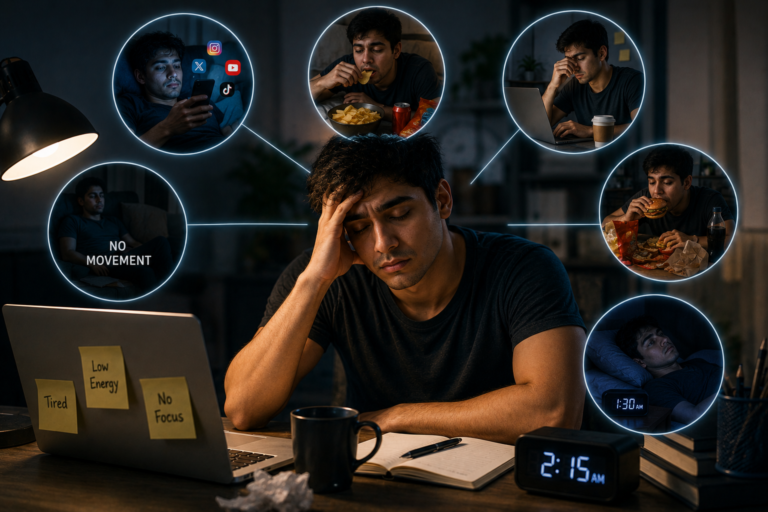
My napping had become a crutch, not a supplement. I napped almost daily, often for longer than intended, and always woke feeling worse than when I closed my eyes. The brief energy bump faded within an hour, replaced by a deeper slump that persisted until evening. My nighttime sleep suffered too. I would lie awake until midnight or later, then wake exhausted the next morning and repeat the cycle.
Breaking this pattern wasn’t easy. The afternoon sleep pressure felt biological, inevitable, a signal my body genuinely needed rest. But I had confused need with conditioning. My body had adapted to a rhythm that included a daily nap, and it protested when I tried to change it. The first two weeks without napping were genuinely difficult. By the third week, something unexpected happened. My energy stabilized, my nighttime sleep deepened, and I felt better throughout the entire day than I had in years.
The Hidden Cost of My Daily Nap Habit
Napping isn’t inherently harmful. The problem was my specific pattern. I napped too long, too late in the day, and too consistently. Each of these factors undermined the benefits I thought I was getting.
My naps typically lasted forty-five to sixty minutes, often because I hit snooze on my alarm. This duration pushed me into deeper sleep stages, making waking disorienting and leaving sleep inertia that lingered for hours. I emerged from these naps in a fog, drinking coffee to compensate, which further disrupted my evening sleep.
The timing was equally problematic. I napped between 3:00 and 4:00 PM, which is late enough to reduce my evening sleep drive significantly. My body treated this as a partial night’s rest, then struggled to initiate full sleep just a few hours later. I was essentially splitting my sleep into two insufficient chunks rather than consolidating it into one restorative period.
Most critically, I had stopped asking why I needed to nap daily. The answer wasn’t that I was genetically predisposed to siestas. It was that my nighttime sleep was fragmented and shallow, my circadian rhythm was misaligned, and my afternoon energy crashes were driven by blood sugar fluctuations I had normalized. The nap masked these problems without solving them.
How I Broke the Cycle Without Falling Apart
I didn’t quit napping cold turkey. That would have been unsustainable and likely counterproductive. Instead, I implemented a gradual reduction while simultaneously addressing the root causes of my afternoon fatigue.
First, I imposed strict limits. If I absolutely needed to nap, it could last no more than twenty minutes, and it had to happen before 2:00 PM. This prevented deep sleep entry and preserved evening sleep pressure. I set two alarms—one for nineteen minutes and a backup for twenty—to ensure I didn’t drift into longer rest.
Even these restricted naps were rare. I allowed myself two per week maximum, reserved for genuinely exceptional circumstances like poor sleep the previous night or unusual physical exertion. This quota forced me to distinguish between genuine need and habitual comfort.
The harder part was managing the afternoon slump without sleep. I had to find alternative strategies that addressed my fatigue without undermining my nighttime rest. This required experimentation and patience.
The Afternoon Ritual That Replaced My Nap
Between 2:00 and 3:00 PM, when my nap craving peaked, I now perform a specific sequence. I drink a full glass of water—dehydration often masquerades as fatigue. I step outside for five minutes of natural light exposure, which suppresses melatonin and signals wakefulness to my circadian system. I do two minutes of light movement—walking in place, gentle stretching, or a brief set of bodyweight squats. Finally, I consume a small protein-rich snack, usually a handful of almonds or a hard-boiled egg. This combination of hydration, light, movement, and nutrition addresses the physiological drivers of my afternoon slump far more effectively than sleep ever did. I detailed my broader hydration strategy for energy in this article.
Fixing the Nighttime Sleep That Made Napping “Necessary”
The most important factor in eliminating my nap dependency was improving my nighttime sleep quality. If I slept deeply and sufficiently at night, my afternoon energy would take care of itself.
I implemented a consistent sleep schedule with a fixed wake time, even on weekends. This anchored my circadian rhythm and built predictable sleep pressure throughout the day. I also established a wind-down routine that began ninety minutes before bed, signaling to my body that sleep was approaching.
My bedroom environment required attention too. I removed my phone from the room entirely, installed blackout curtains, and began using a white noise machine. These changes reduced the fragmentation that had been making my eight hours in bed feel like five hours of actual rest.
The improvement wasn’t immediate. My body had to unlearn the split-sleep pattern and consolidate rest into a single nighttime block. For about ten days, I felt genuinely tired in the afternoons and struggled to stay awake. I pushed through with the alternative strategies described above, trusting that the adaptation would come.
It did. By the third week, my afternoon energy stabilized naturally. I no longer experienced the dramatic crash that previously sent me to the couch. My nighttime sleep became deeper and more restorative, creating a virtuous cycle where good night sleep led to good daytime energy, which led to good night sleep again. The full story of how I retrained my sleep is detailed here.
Understanding My True Energy Patterns
One of the most valuable insights from this experiment was recognizing that afternoon fatigue is normal and manageable. The human circadian rhythm naturally includes a dip in alertness between 1:00 and 3:00 PM. This isn’t a flaw requiring correction through sleep. It’s a biological feature that can be navigated with appropriate strategies.
I had been treating this natural dip as a problem to be solved rather than a pattern to be managed. Napping was my solution, but it created larger problems than it solved. Once I accepted the afternoon lull as normal, I stopped fighting it and started working with it.
Light exposure became my primary tool. Morning sunlight anchors the circadian rhythm and shifts the afternoon dip to a milder, more manageable level. I now prioritize thirty minutes of outdoor light within an hour of waking, even on cloudy days. This single habit had more impact on my afternoon energy than any supplement or dietary change.
I also adjusted my work schedule to accommodate the dip. I stopped scheduling demanding cognitive tasks for early afternoon. Instead, I use that window for administrative work, email, or light physical activity. Working with my biology rather than against it reduced the perceived severity of the slump.
The Blood Sugar Connection Nobody Warned Me About
My afternoon crashes weren’t purely circadian. They were heavily influenced by what I ate for lunch. Heavy carbohydrate meals—pasta, sandwiches, large rice dishes—produced dramatic energy dips two hours later as my blood sugar spiked and then crashed. I didn’t notice this pattern until I started tracking my meals alongside my energy levels. Switching to protein-forward lunches with moderate carbs and healthy fats eliminated the most severe afternoon slumps. I didn’t need a nap; I needed better fuel. My approach to eating without strict dieting, which supports this energy stability, is outlined here.
The Surprising Benefits I Didn’t Expect
Eliminating naps produced changes beyond what I had anticipated. My evenings transformed entirely. Previously, I had been too tired after my post-nap grogginess to do anything productive or enjoyable after dinner. I would collapse on the couch and scroll on my phone until bedtime.
Without the nap, my evening energy remained stable. I started using that time for reading, light exercise, or social activities. The quality of my waking hours improved across the entire day, not just during the afternoon window I had been trying to fix.
My mood improved too. Chronic napping had created a low-grade depression I hadn’t recognized. The daily cycle of energy crash, forced rest, groggy wake, and subsequent slump felt like a mild but persistent failure. Each nap was an admission that I couldn’t handle my day without interruption. Removing that pattern restored a sense of competence and continuity to my life.
My nighttime sleep became more predictable. I could count on falling asleep within twenty minutes of getting into bed, something that had previously been hit-or-miss depending on how my nap had affected my sleep drive. That predictability reduced bedtime anxiety and created a reliable rhythm I could plan around.
Even my weekends improved. I no longer lost Saturday afternoons to naps or felt jet-lagged on Monday mornings from Sunday sleep-ins. My schedule became consistent seven days a week, which stabilized my circadian rhythm and made Monday transitions painless.
When Napping Still Makes Sense
I want to be clear that I haven’t become anti-nap. Napping remains valuable in specific circumstances. New parents surviving sleep deprivation, shift workers adjusting to irregular schedules, athletes recovering from intense training—these are legitimate use cases where napping serves a real purpose.
The distinction is between strategic napping and habitual napping. Strategic napping addresses a temporary, identifiable need. Habitual napping becomes a default response to normal afternoon energy fluctuations, often masking underlying issues that would be better solved directly.
If you currently nap daily and feel great—energized afterward, no nighttime sleep disruption, no grogginess—then your pattern works for you. My experience applies specifically to those whose naps, like mine, have become more harmful than helpful.
For those in the latter category, the transition is uncomfortable but worthwhile. The first two weeks require genuine discipline. The third week brings noticeable improvement. By the second month, you may wonder why you ever thought napping was necessary.
How I Handle the Occasional Exception
Life isn’t perfectly predictable. Some nights I sleep poorly due to travel, stress, or unavoidable disruptions. On those rare occasions, I permit myself a brief nap the following day—always under twenty minutes, always before 2:00 PM. But I treat it as a recovery tool for a specific deficit, not as a regular feature of my routine. The key is that exceptional naps remain exceptional. They don’t become the new normal. This boundary preserves the gains I’ve made while allowing flexibility for genuine need.
What I Would Tell My Former Self
If I could speak to the version of me who napped daily, I would say this: your fatigue is real, but your solution is incomplete. Napping addresses the symptom while ignoring the cause. You don’t need more sleep during the day. You need better sleep at night, better fuel during the day, and better alignment with your natural rhythms.
I would also say that the transition feels harder than it is. The first week without naps seems impossible because your body is protesting a change in its conditioned pattern. That protest isn’t evidence that napping is necessary. It’s evidence that your body is adaptable and currently adapting to something new.
Finally, I would emphasize that the goal isn’t to suffer through afternoons heroically. It’s to reach a state where afternoons don’t require heroic suffering. When nighttime sleep is consolidated and deep, when nutrition supports stable energy, when light exposure anchors your rhythm, the afternoon dip becomes a gentle slope rather than a cliff.
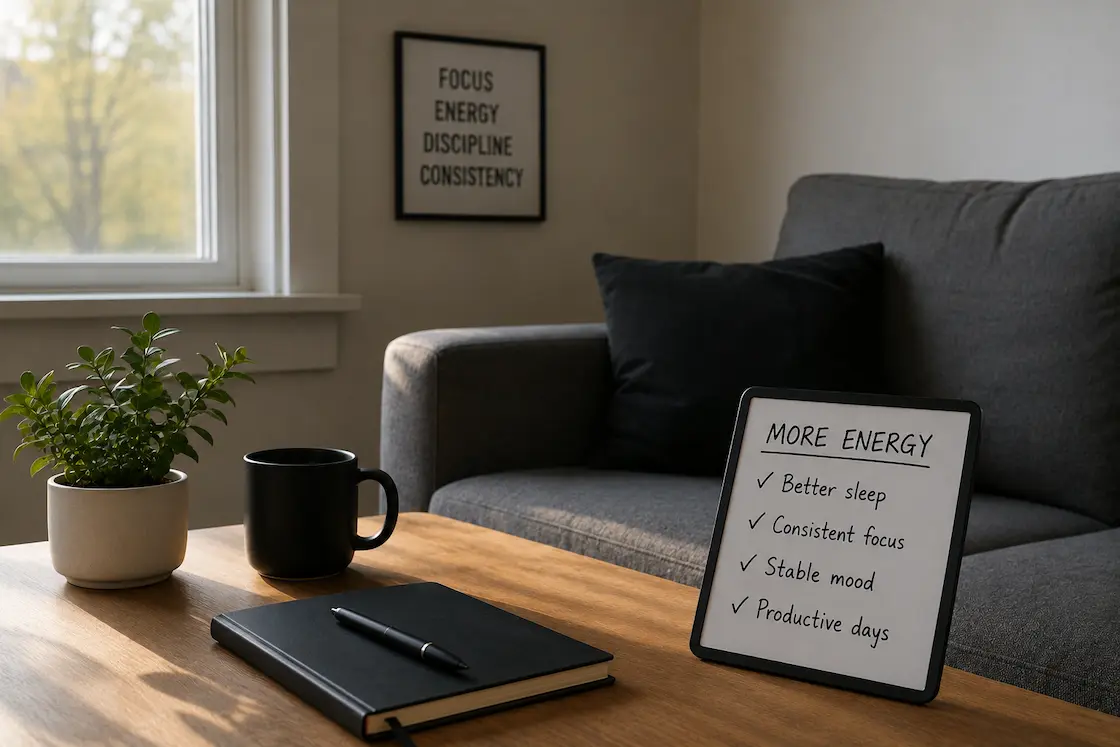
That state is achievable. I live in it now, after years of believing I was simply someone who needed to nap. I wasn’t. I was someone whose sleep and energy systems needed attention. Once I provided that attention, the need for naps dissolved naturally.
My No-Nap Energy Protocol
- Morning: 30 minutes outdoor light within 1 hour of waking to anchor circadian rhythm
- Lunch: Protein-forward meal with moderate carbs and healthy fats to prevent blood sugar crash
- 2:00-3:00 PM: Water, 5 minutes outdoor light, 2 minutes light movement, small protein snack
- Evening: Consistent wind-down routine beginning 90 minutes before target bedtime
- Night: Fixed wake time daily, no phone in bedroom, cool dark room with white noise
- Exceptions: Brief sub-20-minute nap before 2:00 PM only after genuinely poor sleep
Timeline: 2 weeks of adjustment, 3 weeks for noticeable energy stabilization, 2 months for full consolidation.
Related Articles
- How I Trained Myself to Fall Asleep in Under 20 Minutes
- Evening Wind Down Routine That Improves Deep Sleep Naturally
- How I Fixed Afternoon Slumps Using a Simple Hydration Schedule
- Fixing Mid-Night Wakeups With Simple Sleep Environment Changes
- What Changed When I Fixed My Sleep
- How I Eat Better Without Strict Dieting
Sources and References
- Dinges, D. F., et al. (1987). “Temporal placement of a nap for alertness: Contributions of circadian phase and prior wakefulness.” Sleep, 10(4), 313-329.
- Brooks, A., & Lack, L. (2006). “A brief afternoon nap following nocturnal sleep restriction: Which nap duration is most recuperative?” Sleep, 29(6), 831-840.
- Roehrs, T., & Roth, T. (2008). “Caffeine: Sleep and daytime sleepiness.” Sleep Medicine Reviews, 12(2), 153-162.

Abdur Rahman is a lifestyle writer focused on simple health habits and everyday wellness. He creates easy-to-understand content that helps readers improve their routines without confusion or pressure. His work covers topics like daily health habits, home fitness, simple nutrition, sleep, and stress management. He believes that small, consistent actions lead to meaningful long-term results and aims to make healthy living practical, realistic, and accessible for everyone.