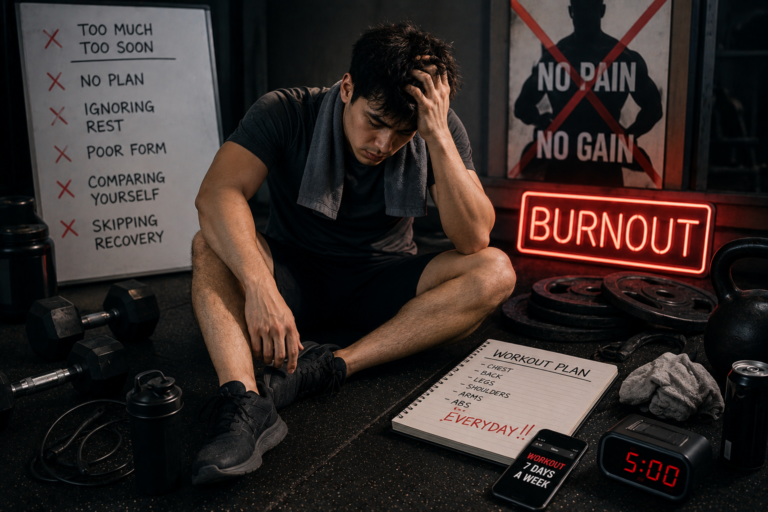
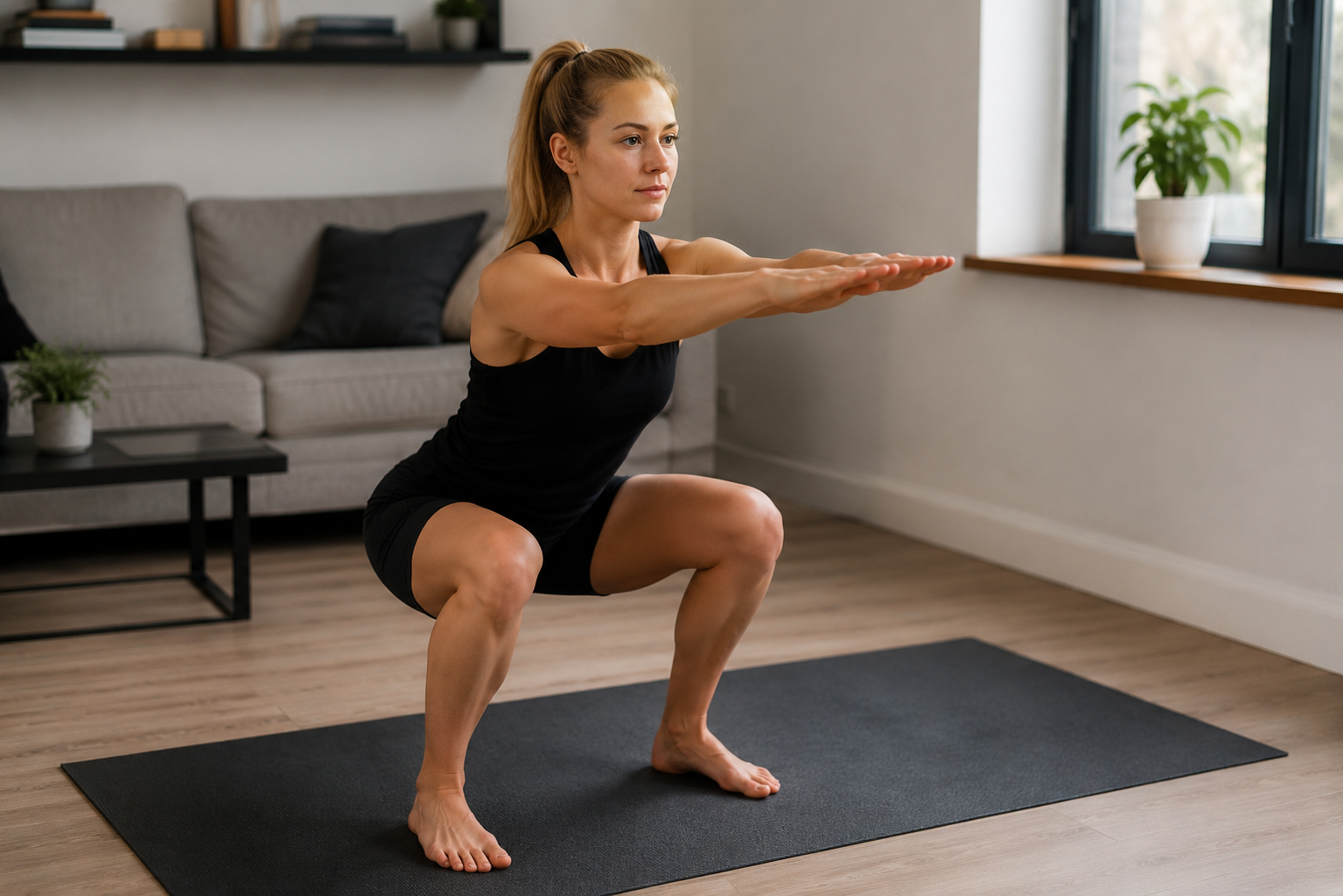
Two years ago, I was unable to perform a bodyweight squat without my knees buckling inward, my heels rising, and my lower back rounding like a question mark. I was fairly fit—I walked, took the stairs, and felt OK. Squatting revealed my complete lack of lower-body strength, ankle mobility, and movement awareness.
I wanted to alter that. It wasn’t because I wanted to powerlift or because someone told me to. I hated being physically unable to do something so basic. Squatting is one of the most natural human movements—toddlers perform it effortlessly—but I had lost the skill as an adult.
It didn’t change drastically. No internet-breaking before-and-after photographs existed. However, I formed a habit and went from battling with one rep to doing twenty with ease. I learned more about habit building from the process than any book or podcast.
Why I Started Squatting
Push-ups, planks, or jogging were options. Any of these would have been a decent way to begin. Squatting appealed to me since it’s utilitarian. Sitting in a chair, picking something up, or lowering myself to the floor was a partial squat. Improving this one movement would assist everything else.
It’s disheartening to struggle with bodyweight exercises. You don’t need a gym membership, equipment, or a complicated setup. You, gravity, and your limits. That stark reality drove me to face my weaknesses without excuses. I liked that squats scaled indefinitely. Toddler’s bodyweight, weighted, and single-leg pistol squats—the same movement pattern at increasing difficulty. That meant I wouldn’t outgrow the workout if I continued. I’d become tougher at it.
Learning to Fail Without Quitting
I made humorous mistakes. I cautiously lowered myself with a chair behind me for safety. My quads shook, my balance faltered, and I often fell unceremoniously onto the seat. About three reps before my legs went jelly.
This phase was crucial to my choice to drastically reduce the threshold. Twenty squats weren’t my goal. One proper squat. If that meant starting with a partial range of motion, that was fine. Holding onto a doorframe for balance was fine. I refused to let perfect form hinder starting.
Squatting was done every other day, not daily. My muscles required rest and my nervous system needed adjustment. Beginners typically neglect the neurological component of learning new motions. Your brain must decide which muscles should fire, when, and how intensely. That learning occurs during rest, not exertion.
“Chair Squat” Saved Me
If you can’t squat fully, start with chair squats. In front of a sturdy chair, feet shoulder-width apart, lower yourself until your glutes just contact the seat. Wait a second, then stand. The chair gives you confidence to descend lower without falling, and the little break minimizes bounce or momentum that hides weakness. These were my only exercises for three weeks before trying an unassisted squat.
Fixing My Form One Piece at a Time
Once I could strike the chair consistently, I filmed myself. Watching your squat on camera is painful yet instructive; what feels perfect in the moment often looks wrong on video. My knees tracked inward, my chest dropped forward, and my heels couldn’t stay down.
I did these one by one. Heel lifting was easy to fix. It indicated stiff ankles and calves, so I started ankle mobility therapy five minutes before each squat workout. I did simple calf stretches against a wall and ankle circles and spent a few minutes in a deep squat with assistance. Within two weeks, my heels stayed grounded during most movement.
The knee cave was harder. It showed weak hip abductors, which stabilize my legs during movement. Even though lateral band walks and clamshells were easy, I did them. The tiny muscles needed treatment before they could help with the squat.
The forward lean was hardest to fix. I had tight hip flexors and poor core engagement. I started with a few minutes of hip flexor stretches and core bracing before each rep. I found it most helpful to imagine a stomach punch. The stress kept my torso upright without me thinking about it.
Habit Loop Construction
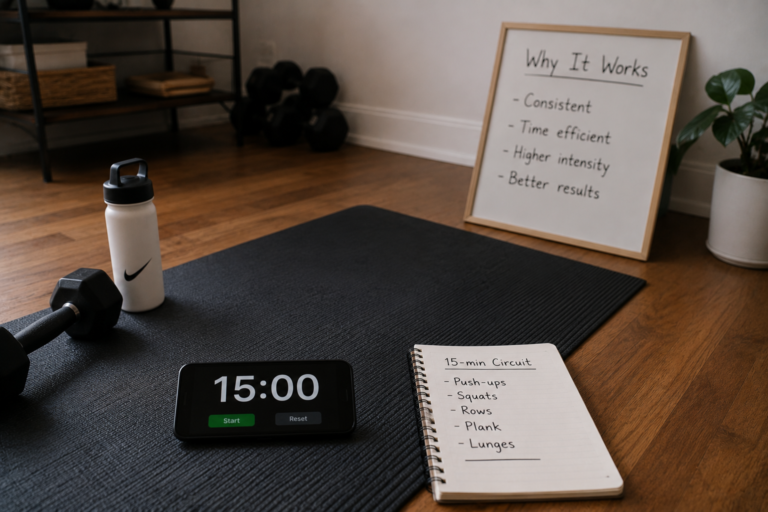
Exercise instruction generally ignores logistics that enable regularity and concentrates on the activity. I took habit architecture as seriously as exercise. I chose right after my morning coffee, before emails or tasks. I displayed my gym clothing on a chair the night prior. I set a two-minute phone timer to eliminate decision fatigue over how long to workout. I finished when the timer went off, even though I wanted more. Desiring more made me excited for the next session.
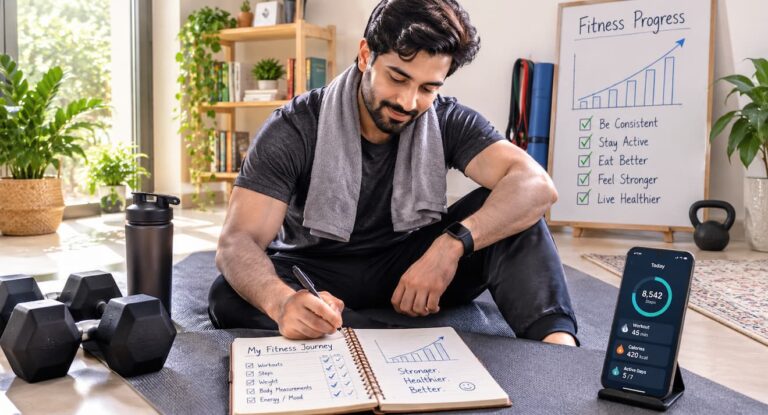
I used a basic wall calendar to chart my progress. Every day I squatted, it was checked. The visual chain of markers motivated itself. Skipping a workout felt better than breaking the chain. Most significantly, I manipulated the atmosphere. My living room has a small space I permanently cleaned. No setup, no equipment to recover, no friction between intention and action. Making it easier to start increased my chances of finishing.
“Never Zero” Rule
I modified a habit formation concept for squats. Never spend an entire day doing nothing. I just squatted once on rest days. Just one. A ten-second, no-warmup exercise kept the neuronal circuit active. More significantly, it kept my squatting identity. Missing one day makes missing two easier. One rep makes a complete session the next day easier. This small commitment kept me going during busy weeks, travel, and low-motivation days.
How I Persisted When Progress Stopped
My progress stalled at week six. I could do 10 squats with good form, but I couldn’t increase or vary. My legs weren’t growing stronger, and my enthusiasm went down. Most habits expire in this danger zone. I knew I had been repeating myself too long. Since my body had adapted to the stimuli, there was no incentive to improve without a new challenge. I didn’t have weights or a gym membership, but I required progressive overload.
Then I got inventive. I slowed the eccentric—the descent—to three seconds. This prolonged stress without external load. I paused in a deep squat for two seconds before standing. Squatting on the front leg with one foot on a low step behind me was a split squat. Each variation addressed my muscles differently and broke the monotony. I also increased my squats from every other day to five days a week with two rest days. Even while individual sessions weren’t harder, the volume increase refueled growth.
The Unexpected Benefits
I began this trip focusing on the squat. The benefits extended beyond my ability to lower and elevate myself. Long walks no longer hurt my knees. I always thought my knee pain was due to aging or genetics, but it turned out to be frailty and poor movement patterns. Strengthening my knee muscles and tracking them during movement eradicated permanent pain.
I postured better. The core bracing and upper back engagement needed for a decent squat also applied to my computer chair and grocery store line. I became more aware of my posture during the day. I gained confidence in other sports. I tried tougher hikes, sports with friends, and bodyweight workouts I would have shunned before. Squatting gave me a stronger self.
From Squats to Full Routine
Once I squatted regularly, I grew. Before a short core practice, I did push-ups and lunges. I would never have started without the squat foundation. That first habit showed me I could change, get stronger, and stick with something to see the benefits. I provide my balanced plan here to help you expand your home workouts.
What I Would Change
Looking back, my missteps wasted time and frustrated me.
I regret waiting three weeks instead of taping myself from the start. I could have avoided several compensations and rectified my form faster with early feedback. I regret not being more patient with incomplete range of motion. After rushing to full depth before my mobility was ready, my knees hurt for a week.
Sleep should have been more important. Muscle healing and strength improvements occur during rest, not exercise. Despite constant training, weeks with poor sleep stopped my improvement.
Finally, I should have acknowledged little victories. I should have celebrated my first five squats without a chair instead of worrying about how far I had to go. Only noticing progress motivates.
Where I Am Now
I must do bodyweight squats in the morning. I do three sets of twenty with a slight rest under each rep. A book backpack or slower pace provides me more challenge on days when I desire it. Single-leg pistol squats, which feel impossible but are the next step, are also on my list.
More crucially, the habit survived work changes, travel, illness, and motivation dips. It’s automatic, like cleaning my teeth. Not because I’m crazy disciplined, but because I slowly created the habit from a point of inability.
If you’re reading this because you can’t squat properly, know that you’re not broken. You become a beginner, and consistent beginners become something else. Start with a chair. Film yourself. Don’t feel like doing reps? Do one. Transformation will be real and lasting, but not dramatic.
Timeline of Squat Progress
- Weeks 1-3: Chair squats only, 3 sets of 5-8 reps, every other day
- Weeks 4-6: Full bodyweight squats to a low target, 3 sets of 5-10 reps, every other day
- Weeks 7-10: Increased to 5 days per week, added slow eccentrics and bottom pauses
- Weeks 11-16: Added split squats and increased volume to 3 sets of 15 reps
- Month 5 onward: 3 sets of 20 reps daily, experimenting with tempo and load variations

Abdur Rahman is a lifestyle writer focused on simple health habits and everyday wellness. He creates easy-to-understand content that helps readers improve their routines without confusion or pressure. His work covers topics like daily health habits, home fitness, simple nutrition, sleep, and stress management. He believes that small, consistent actions lead to meaningful long-term results and aims to make healthy living practical, realistic, and accessible for everyone.