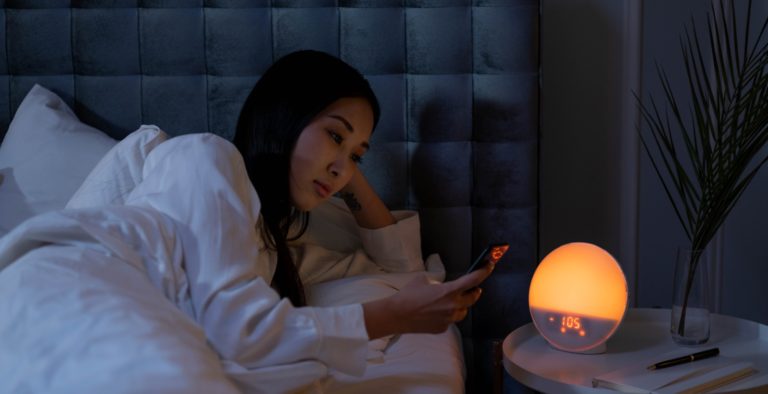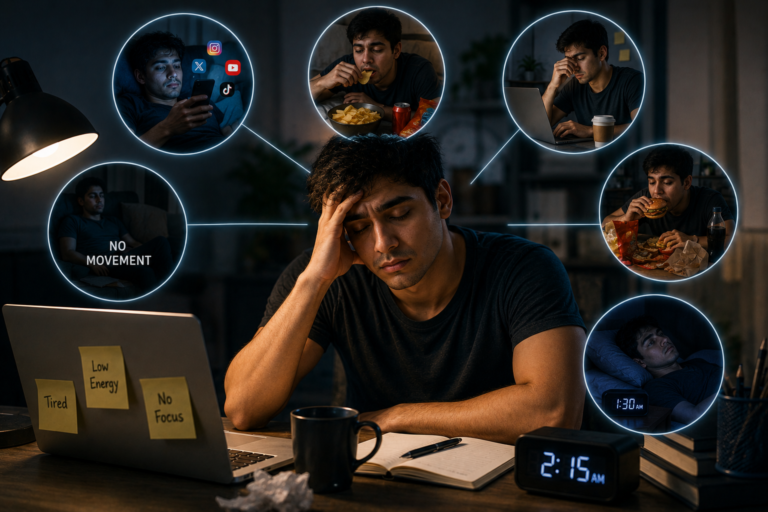
For most of my adult life, falling asleep was a battle. I would lie in bed for an hour or more, cycling through tomorrow’s tasks, replaying awkward conversations from years ago, and watching the clock advance with increasing dread. The harder I tried to sleep, the more awake I felt. By the time I finally drifted off, I had already lost significant sleep and built a reservoir of anxiety about the next night.
The breaking point came after a particularly rough week where I averaged perhaps four hours of actual sleep per night. I wasn’t staying up intentionally. I was trying to sleep. I was doing everything the internet suggested—warm milk, counting sheep, breathing exercises, even over-the-counter sleep aids that left me groggy but still unable to drift off. Nothing worked consistently.
What eventually changed my sleep wasn’t a single trick or supplement. It was a systematic retraining of my relationship with bedtime. I stopped treating sleep as something I could force and started treating it as a skill I could develop. Over six months, my average time to fall asleep dropped from over sixty minutes to under twenty. On good nights, it’s closer to ten. Here’s exactly what I did and why it worked.
Understanding Why My Brain Wouldn’t Shut Down
Before I could fix my sleep, I needed to understand what was preventing it. My insomnia wasn’t caused by a medical condition or external noise. It was cognitive hyperarousal—my brain treating bedtime as an opportunity to process, plan, and problem-solve.
This is common among people who struggle to fall asleep. The horizontal position, the darkness, the absence of distractions creates a vacuum that the mind fills with thoughts. For years, I had been using bedtime as my first moment of stillness all day. Naturally, everything I had suppressed rushed in at once.
I also had developed a conditioned anxiety response to my bed itself. After months of lying awake in frustration, my brain had learned to associate the bedroom with wakefulness and stress. The moment my head hit the pillow, my heart rate increased and my mind accelerated. The environment meant struggle, and my body responded accordingly.
Recognizing this pattern was crucial because it shifted my focus from finding a magic sleep technique to rebuilding my entire pre-sleep system.
The Wind-Down Routine I Actually Follow
I had read about sleep hygiene countless times. No screens before bed, keep the room cool, avoid caffeine after noon. I knew the rules. I simply couldn’t follow them consistently enough to matter.
What worked was creating a wind-down routine so structured and predictable that it became automatic. Not a list of suggestions I might follow if I remembered, but a sequence of actions I performed in the same order every single night.
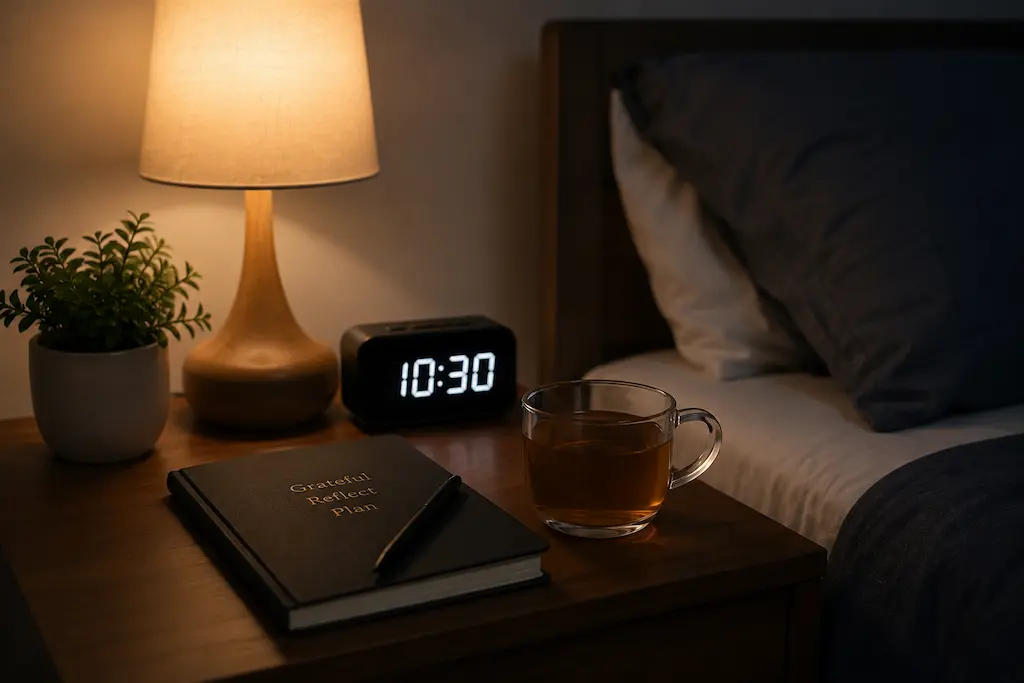
My routine begins ninety minutes before my target sleep time. I dim the lights throughout my apartment. I prepare tomorrow’s clothes and pack my bag if I’m leaving early. I make a cup of herbal tea—chamomile or passionflower, though I suspect the ritual matters more than the herb itself. I sit in a specific chair with a physical book, not an e-reader, and read for twenty to thirty minutes.
The key element is that this routine happens outside my bedroom. My bed is reserved exclusively for sleep. I do not read in bed, scroll on my phone in bed, or lie there thinking. When I enter the bedroom, it signals one thing only: it is time to sleep.
This separation took discipline to establish but paid dividends quickly. Within three weeks, my brain began associating the bedroom with sleep rather than wakefulness. The conditioned anxiety faded and was replaced by a conditioned relaxation response. I’ve written more about the full evening routine that supports this here.
The “Brain Dump” That Clears Mental Clutter
About thirty minutes before bed, I perform what I call a worry dump. I take a blank notebook and write down everything on my mind—tasks for tomorrow, unresolved concerns, random ideas, anything that might resurface when I close my eyes. I don’t organize or prioritize. I simply externalize. The act of putting thoughts on paper seems to satisfy my brain’s need to process them. I rarely look at these notes again. Their purpose is capture, not reference. This practice alone reduced my time to fall asleep by what felt like half. I first discovered this technique during a particularly stressful period and detailed the full method in this article.
How I Restructured My Sleep Environment
My bedroom transformation was methodical. I removed the television, which I had convinced myself I needed to fall asleep. In reality, it fragmented my rest and delayed my natural sleep onset. I blackout-curtained the windows completely. Even small amounts of light disrupt melatonin production, and my street has enough ambient glow to function as a nightlight.
I invested in a white noise machine. Not because my environment was loud, but because consistent background sound masks the small noises that can trigger alertness—a car passing, a neighbor’s door, the refrigerator cycling. The predictability of white noise creates an auditory cocoon that my brain learned to associate with safety and rest.
The temperature change mattered more than I expected. I dropped my thermostat to sixty-five degrees Fahrenheit, which feels chilly when I first enter but becomes perfect once I’m under the covers. The body’s core temperature needs to drop slightly to initiate sleep, and a cool room facilitates this naturally.
Most importantly, I removed my phone from the bedroom entirely. It charges in the kitchen overnight. This eliminated the temptation for late-night scrolling, the anxiety of checking notifications, and the blue light exposure that suppresses melatonin. The first week without it felt like withdrawal. The second week felt like freedom.
The Breathing Technique That Actually Works
I had tried breathing exercises before with limited success. Most felt too complicated to perform when I was already anxious about sleeping. Counting to specific numbers, holding for precise durations, alternating nostrils—it was too much mental work for a brain that needed to quiet down.
What worked was simplification. I use a technique I adapted from several sources: inhale for four counts, exhale for six counts, repeat. No holds, no complex patterns, no concentration required. The extended exhale activates the parasympathetic nervous system, which counteracts the stress response that keeps me awake.
I don’t wait until I’m in bed to start this. I begin during my wind-down routine, while reading in my chair. By the time I enter the bedroom, my breathing is already slow and deep. The transition to sleep becomes a continuation of an established state rather than a sudden shift from alertness.
On nights when thoughts intrude despite the routine, I return to the breath without frustration. I don’t judge the thoughts or try to suppress them. I simply notice them, refocus on the exhale, and trust the process. Some nights require more refocusing than others. That’s normal and acceptable.
What I Do When I Can’t Fall Asleep in 20 Minutes
Despite my routine, I occasionally lie awake longer than intended. When twenty minutes pass without sleep, I leave the bedroom. This is critical. Staying in bed while awake reinforces the association between the bedroom and wakefulness. I go to my reading chair, keep the lights dim, and read something unchallenging until I feel drowsy. Then I return to bed. I might repeat this once or twice on difficult nights. It feels counterproductive in the moment, but it preserves the bedroom-sleep connection that makes good nights possible. I never check the clock during these episodes. Knowing the time adds pressure that works against relaxation.
The Schedule Discipline That Made the Difference
Sleep training requires consistency that feels rigid at first. I wake at the same time every day, including weekends. No exceptions. This anchors my circadian rhythm and creates sleep pressure that builds predictably throughout the day.
I also go to bed at the same time, but with flexibility. If I’m not sleepy at my target bedtime, I don’t force it. I extend my wind-down routine rather than lying awake in bed. The fixed wake time matters more than the fixed bedtime because it ensures my sleep drive is strong enough the following evening.
The hardest part was giving up weekend sleep-ins. For years, I had used Saturday and Sunday to “catch up” on lost sleep. In reality, this variability disrupted my rhythm and made Sunday nights miserable. The consistent schedule felt restrictive for about two weeks. After that, my body adjusted, and I began waking naturally within minutes of my alarm without the jarring grogginess I had accepted as normal.
I also stopped napping entirely. Even brief naps reduced my evening sleep pressure and restarted the cycle of lying awake. This was a difficult sacrifice during the adjustment period when I was still tired from poor sleep. But eliminating naps forced my body to consolidate rest into nighttime, which ultimately strengthened my sleep drive. I explored this more fully in this article about giving up naps.
How I Fixed My Relationship With Sleep Aids
I had developed a dependency on over-the-counter sleep medications. Not a physical addiction, but a psychological crutch. I believed I couldn’t sleep without assistance, which became a self-fulfilling prophecy.
Weaning off them was gradual and uncomfortable. I reduced frequency first, using them only on nights when I felt particularly anxious. Then I reduced the dose. Eventually, I stopped entirely. The first few nights without them were rough. My sleep latency increased temporarily, and I questioned whether I was making a mistake.
But after about ten days, my natural sleep mechanisms reasserted themselves. I realized the medications had been masking the problem rather than solving it. They knocked me out, but they didn’t teach me how to fall asleep. Without them, I was forced to develop the actual skills I needed.
I still keep a small supply for genuine emergencies—long flights, unusual stress, occasional disruptions. But I haven’t used them in over a year. The confidence of knowing I can sleep without chemical assistance is itself relaxing. It removes a layer of anxiety that previously compounded my insomnia.
The Unexpected Benefits Beyond Faster Sleep Onset
Training myself to fall asleep quickly had ripple effects I didn’t anticipate. My daytime energy stabilized without the afternoon crashes I had attributed to diet. My mood improved, likely because chronic sleep deprivation had been amplifying my stress response. My productivity increased because I wasn’t spending morning hours recovering from a poor night. Even my relationships benefited—I was less irritable and more present. The sleep fix wasn’t just about bedtime. It was about reclaiming my waking hours too. If you’re dealing with energy slumps during the day, my hydration approach made a surprising difference here.
What I Would Do Differently If Starting Over
Looking back, I made several mistakes that delayed my progress. I wish I had addressed my sleep environment before trying behavioral techniques. No amount of breathing exercises can overcome a room that’s too bright, too warm, or too associated with wakefulness.
I also wish I had been more patient with the timeline. I expected results within days and felt discouraged when they didn’t come. In reality, retraining conditioned responses takes weeks. My sleep improved gradually, with setbacks that felt like failures but were simply part of the process.
I should have sought help sooner for underlying anxiety that was driving my nighttime rumination. The worry dump helped, but addressing my general stress management during the day reduced the volume of thoughts that needed dumping at night. Sleep doesn’t exist in isolation from the rest of life.
Finally, I wish I had tracked my progress more objectively. I estimated my sleep latency based on how I felt, which was often inaccurate. A simple sleep diary would have shown me gradual improvement during periods when I felt stuck. Data provides perspective that emotion cannot.
Where I Am Now
Today, falling asleep is rarely a struggle. My routine is so ingrained that I begin feeling drowsy as I start my wind-down sequence, before I even reach the bedroom. The conditioned relaxation response has become automatic.
My average time to fall asleep is between ten and fifteen minutes. On excellent nights, it’s under ten. Difficult nights still happen—stress, travel, illness can disrupt any system—but they no longer trigger the spiral of anxiety that previously extended one bad night into a week of poor sleep.
The most valuable change is internal. I no longer fear bedtime. I don’t lie down wondering if tonight will be another battle. I trust my process, and that trust itself promotes relaxation. Sleep has transformed from a source of stress into a reliable refuge.
If you’re currently lying awake for an hour or more, I want you to know that change is possible. Not through a single hack, but through patient, systematic retraining of your sleep environment, your pre-bed routine, and your relationship with rest itself. The investment is significant, but so are the returns. A life with adequate sleep is a different life entirely.
My Complete Sleep Training Protocol
- 90 minutes before bed: Dim lights, prepare tomorrow, make herbal tea
- 60 minutes before bed: Begin reading in designated chair (not bedroom)
- 30 minutes before bed: Complete worry dump in notebook
- 15 minutes before bed: Begin 4:6 breathing pattern (inhale 4, exhale 6)
- At bedtime: Enter bedroom only when drowsy, no phone, cool room, white noise
- If awake after 20 minutes: Leave bedroom, read in dim light, return when sleepy
- Daily: Fixed wake time, no naps, no sleep aids, no clock-watching
Timeline to results: 4-6 weeks for noticeable improvement, 3 months for consistent sub-20-minute sleep onset.
Related Articles
- Evening Wind Down Routine That Improves Deep Sleep Naturally
- How I Use a 2-Minute Worry Dump Before Bed to Sleep Better
- Why I Stopped Napping and My Energy Actually Improved
- Fixing Mid-Night Wakeups With Simple Sleep Environment Changes
- What Changed When I Fixed My Sleep
- How I Fixed Afternoon Slumps Using a Simple Hydration Schedule
Sources and References
- Harvey, A. G. (2002). “A cognitive model of insomnia.” Behaviour Research and Therapy, 40(8), 869-893.
- Morin, C. M., et al. (2006). “Psychological and behavioral treatment of insomnia: Update of the recent evidence (1998-2004).” Sleep, 29(11), 1398-1414.
- Walker, M. P. (2017). Why We Sleep: Unlocking the Power of Sleep and Dreams. Scribner.

Abdur Rahman is a lifestyle writer focused on simple health habits and everyday wellness. He creates easy-to-understand content that helps readers improve their routines without confusion or pressure. His work covers topics like daily health habits, home fitness, simple nutrition, sleep, and stress management. He believes that small, consistent actions lead to meaningful long-term results and aims to make healthy living practical, realistic, and accessible for everyone.