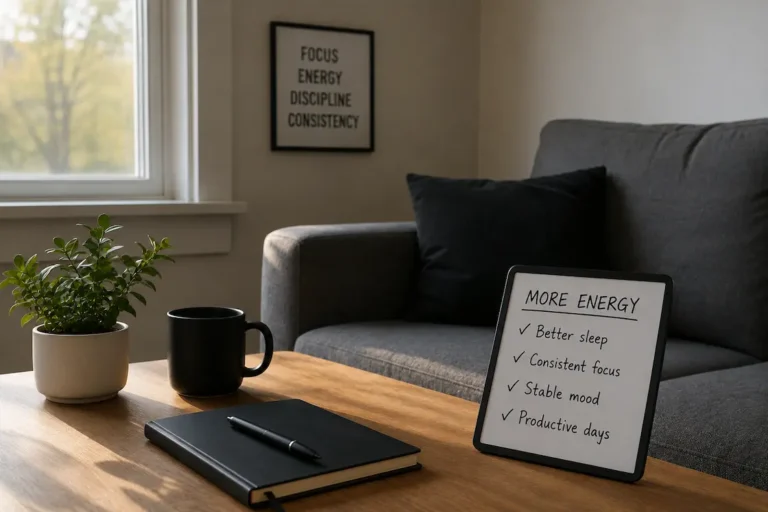

Sleep has always been a tricky topic for me. I used to brag about surviving on five hours a night, thinking I was productive and efficient. But over time, I realised that sleep—or the lack of it—was quietly shaping my health, mood, and overall productivity. Deciding to fix my sleep schedule became a turning point, and the changes I experienced were profound, almost life-altering.
Understanding the Sleep Problem
Before I could fix anything, I had to admit there was a problem. My sleep was inconsistent. Some nights, I would sleep past midnight, and other nights I would toss and turn for hours. I constantly relied on caffeine, had frequent headaches, and my focus was all over the place.
The first step was tracking my sleep habits. I used a simple sleep app and a journal, noting when I went to bed, when I woke up, and how rested I felt. Seeing the patterns laid out in front of me was eye-opening. It became clear that inconsistent sleep was affecting more than my energy—it was impacting my emotional stability, decision-making, and even my relationships.
Establishing a Sleep Routine
Fixing sleep starts with routine. I committed to going to bed and waking up at the same time every day—even on weekends. This consistency helped train my body’s internal clock, also known as the circadian rhythm.
To make it realistic, I gradually adjusted my bedtime in 15-minute increments until I reached a target that allowed for seven to eight hours of sleep. It wasn’t instant, and some nights were harder than others, but persistence paid off.
Creating a Sleep-Friendly Environment
Your bedroom can either support or sabotage your sleep. I realised that mine was more of a distraction zone than a restful sanctuary.
I made some key changes:
- Darkness: I installed blackout curtains and removed electronic lights.
- Temperature: I kept my room slightly cool, around 65°F (18°C), which made falling asleep easier.
- Sound: I introduced a white noise machine to mask city noises.
- Comfort: Investing in a supportive mattress and pillows was a game-changer.
These adjustments turned my bedroom into a place where my body and mind could fully relax.
Reducing Stimulants and Evening Screen Time
One of the hardest habits to break was late-night screen time. The glow from phones and laptops suppresses melatonin, a hormone essential for sleep. I started dimming lights an hour before bed, turning off devices, and reading a physical book instead.
I also cut down on caffeine and alcohol in the evening. Even a single cup of coffee after 3 p.m. disrupted my sleep quality, something I underestimated for years.
Experiencing Immediate Energy Changes
Within a week of consistent sleep, I noticed I had more energy throughout the day. The mid-afternoon slump that used to hit me like a brick was almost gone. I could focus for longer periods without reaching for coffee. My workouts felt easier, and I even had the energy to try new hobbies after work.
It felt like my body was finally running on its own natural fuel instead of relying on stimulants.
Improvements in Mental Clarity and Focus
One of the most remarkable changes was in my mental clarity. Tasks that used to feel overwhelming became manageable. I found it easier to prioritise work, plan my day, and make decisions without second-guessing myself.
Sleep improved my memory, too. I could recall names, dates, and tasks more easily. Even small details in conversations became easier to remember. I started attributing this improvement to the deep sleep stages my body was finally getting regularly.
Emotional Stability and Mood Boost
Sleep isn’t just about physical recovery; it’s about emotional regulation. I noticed that my mood swings became less frequent. I handled stress better and felt less irritable. Conflicts at work and home were easier to navigate because I was more patient and responsive, rather than reactive.
This emotional resilience made a noticeable difference in relationships. Friends and family commented on how much calmer and happier I seemed—a change I hadn’t expected so soon.
Health Benefits Beyond Energy
The health benefits were tangible. My headaches decreased, my skin looked healthier, and I felt stronger during workouts. Fixing my sleep also helped regulate my appetite. I stopped reaching for sugary snacks out of fatigue and felt more in control of my meals.
Even small health indicators improved. My heart rate felt steadier, and I woke up without grogginess or the need for multiple cups of coffee to start the day.
Productivity and Creativity Boost
With better sleep came a boost in productivity and creativity. I started finishing work tasks faster and with fewer errors. Brainstorming sessions became more effective because my mind was alert and clear. Ideas flowed more naturally, and I felt motivated to take on projects I used to avoid.
Sleep wasn’t just rest—it became a productivity tool. I realised that working more hours without sleep was counterproductive. Quality of work surpassed quantity.
Social and Personal Life Improvements
Better sleep affected more than work—it improved my social and personal life. I was more present in conversations, had more energy for social activities, and could maintain evening plans without feeling exhausted. Even small daily interactions became more enjoyable because I wasn’t mentally drained.
My personal time felt richer. I could read, cook, or go for walks without feeling the constant drag of fatigue. This balance contributed to a sense of overall life satisfaction.
Overcoming Sleep Challenges
Of course, the journey wasn’t perfect. I still faced occasional insomnia, stressful nights, or travel disruptions. But having a routine and environment optimised for sleep made it easier to recover quickly.
When setbacks occurred, I focused on calming rituals like meditation, stretching, or a warm bath before bed. I also reminded myself that sleep is a long-term habit, not a one-night fix.
Tools and Techniques That Helped
Several tools and techniques made a difference:
- Sleep tracking apps helped me notice patterns.
- Guided meditation or calming music eased me into sleep.
- Journaling before bed cleared my mind of stress.
- Limiting naps ensured I was sleepy at bedtime.
These small, practical steps compounded over weeks, resulting in noticeable improvements in my energy, focus, and overall well-being.
The Life-Changing Impact of Fixing Sleep
Fixing my sleep didn’t just improve rest—it transformed my life. I felt more energetic, mentally sharp, emotionally balanced, and socially engaged. I was healthier, more productive, and happier. The cumulative impact of better sleep went beyond what I had imagined, touching every aspect of daily life.
It reinforced a simple truth: sleep is not a luxury; it’s a foundation for everything else. Investing in sleep is investing in your life quality, mental clarity, and long-term health.
Conclusion
Fixing my sleep was one of the best decisions I ever made. From energy levels to mood, focus, and overall health, the benefits were immediate and long-lasting. Consistency, environment optimisation, and limiting stimulants were key factors. This journey taught me that prioritising sleep is not indulgent—it’s essential for a fulfilling, productive, and happy life.
FAQs
1. How long does it take to see improvements after fixing sleep?
Most people notice changes within a week, but significant benefits like improved focus and mood can take a few weeks of consistent sleep habits.
2. Can a consistent bedtime really improve productivity?
Yes. A regular sleep schedule helps your brain consolidate memory, improve focus, and enhance cognitive performance, directly boosting productivity.
3. Are naps harmful if I want better sleep at night?
Short naps (20-30 minutes) can be beneficial, but long or late-afternoon naps may disrupt nighttime sleep. Consistency is key.
4. What if I travel frequently and my sleep schedule is disrupted?
Prioritise sleep hygiene wherever you go: dark, quiet rooms, limiting caffeine, and adjusting to local time gradually can help maintain quality sleep.
5. How can I track if my sleep quality is improving?
Use sleep apps, a journal, or a wearable device to monitor bedtime, wake-up time, sleep stages, and overall restfulness. Track changes over weeks for best results.

Abdur Rahman is a lifestyle writer focused on simple health habits and everyday wellness. He creates easy-to-understand content that helps readers improve their routines without confusion or pressure. His work covers topics like daily health habits, home fitness, simple nutrition, sleep, and stress management. He believes that small, consistent actions lead to meaningful long-term results and aims to make healthy living practical, realistic, and accessible for everyone.