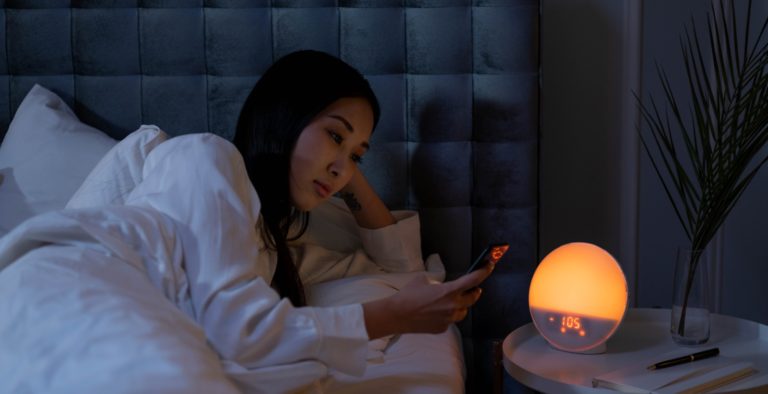
This happens to everyone. You’re comfortably lying in bed, but you’re scrolling through social media or watching yet another video. It’s kind of like our phones are designed to keep us awake, alert, and distracted when we should be sleeping.
Have you thought about how these habits influence your health? For starters, the blue light from your phone disrupts your sleep, and then you experience tiredness and lack of productivity the next day.
I know how detrimental phone use before sleeping is, and I know how useless it feels. If you’re like me, you wanted to sleep before but used your phone instead. I have all the tips on how the boundaries I set on nighttime phone use have turned my sleepy, cranky, groggy nights full of regret into peaceful slumbers full of deep and restorative sleep.
Negative Effects of Night-Time Phone Use
Mindless phone use before bed causes poor sleep. Most people scroll through social media, which means they expose themselves to blue light. Blue light decreases the production of melatonin, which regulates the sleep cycle, and this effect can make it even harder for people to fall asleep. Another effect of nighttime phone use is that after engaging with thrilling videos, people have too much stimulation and are unable to relax. Instead of unwinding, they are constantly entertained and informed.
Our phones simultaneously keep us in a digital world where we have instant access to information, and they keep us under a social obligation of immediate engagement. This constant connectivity creates a sense of hyper-anxiety.
Additionally, time spent on screens during the late night bleeds into sleep time. A little time spent on “just one more post” can easily add hours to your day in the form of social media.
The distractions don’t just take away from your sleep; they add fatigue and mental drain to your body.
My Personal Experience with Reducing Phone Use before Bed
A few months ago, I realised I could use some rest. I had recently added late-night scrolling to my social media routines.
At first, I wasn’t worried and thought it would be the same as logging on during the day.
However, it became common for me to lose the use of my phone in the mornings. I had grown to hate the way my phone consumed my day. Grogginess from the ceaseless, maddening notifications and the abundant, tedious newsfeeds was my new norm.
I decided to change my horrible new norm, which made me feel completely ignorant, and being without my phone teaches one a great deal about how attached one is to it.
I eliminated the habit, one small cut-off at a time. I began to ban my phone for some minutes and then hours. A dull and boring book or some reflection would be my new evening pastime.
The distractions don’t just take away from your sleep; they add fatigue and mental drain to your body.
Sleeping became my new evening obsession as I looked forward to relaxing and resting after discovering the joy of silence from all the social media postings.
Strategies for Reducing Phone Use before Bed
Try to replace your phone with a soothing “social media cut-off” ritual. Journaling, reading, or meditating in your mirrored social evening routine can make a significant difference.
Switching off notifications is an effective approach. Notifications from endless pings and alerts cause distraction and break concentration, leading to more mindless browsing. Tackle the distractions for a better night’s rest.
Awareness about your screen time can be created using apps. Understanding the time spent on your phone can help you make the best decisions.
No phones allowed in the bedroom. Make more areas in the house phone-free. Putting your phone out of reach is the best way to help with the desire to scroll when sleepy. These areas help create a space of uninterrupted rest for the body.
A. Designing a Sleep Time Schedule
Making a routine with a scheduled time to sleep has the biggest impact. It teaches your mind and body to get some rest.
Pick a time and do your routine at the same time every night. It helps your body learn when to sleep.
Do some stretching or light reading for calming and relaxing activities. These can help your mind stay away from sleep-time anxiety.
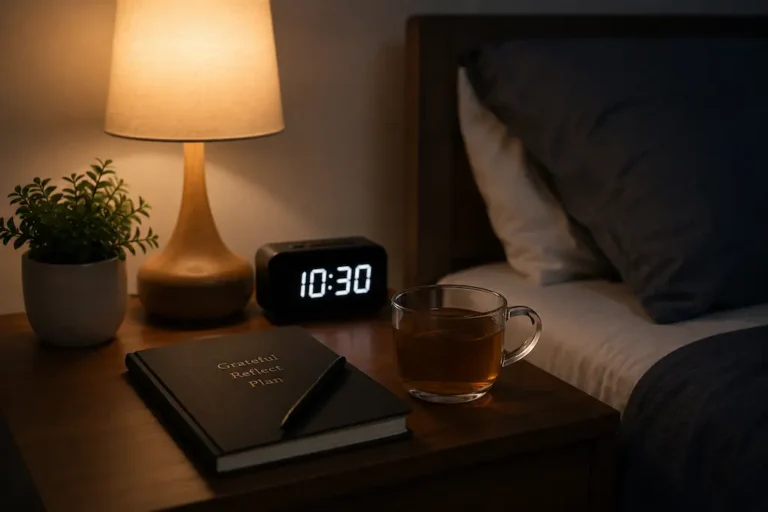
Keep your lights low. Switching to a light dimmer before bed can help you relax. Small acts, such as writing in a journal or making a list to remind you when you get back, can keep your mind from losing your thoughts. A cup of herbal tea can help too. The goal is to create a relaxing space.
Creating this nightly ritual is about choosing peace instead of digital distractions. When every evening rhythm, the transition from the day’s hustle to the night’s calm light becomes seamless.
B. Turning Off Notifications
Turning off notifications changed everything. Without the constant beeps and buzzes, I was able to finally calm my mind and relax. There is nothing more distracting when trying to calm your mind than a digital reminder of everything you need to do.
Becoming notification-free understandably liberated me from being previously consumed by yet another digital reminder of communication that needs to happen. It was truly shocking to discover how much more peaceful life becomes when distractions are minimised.
My evenings are no longer filled with chaotic scrolling marathons that are hard to break, yet mindless and counterproductive. Instead, my evenings are filled with more peaceful and purposeful reading and meditation.
It is no longer a dreaded, interrupted peaceful time that by default belongs to no one yet always seems to be a luxury in our hyperconnected lives. It truly is shocking to see how a single turned-off notification has the potential to interrupt that luxury.
C. Using Apps to Track and Limit Screen Time
Using apps to track and limit total screen time has become a game-changer for many people. The mindless need to check every communication app has made life very hard for people. Fortunately for those people, there are plenty of apps that enable you to set boundaries on specific activities and your screen time in general. After you reach the limit, the app gently reminds you to put the phone down.
Some apps can track your behaviours, and you may be surprised to discover that the time spent on social media greatly exceeds time spent on reading or completing other tasks that you consider to be rewarding or productive.
Even better, some apps turn healthy behaviours into rewarding challenges with app-based systems of achievement. More importantly, these apps save time and allow for a more flexible nightly routine.
Finding the app that best fits your goals and objectives can help you prioritise relaxing and getting a better night’s sleep rather than using your phone all night.
The Positive Effects of Reducing Cell Phone Usage At Night
The better sleep you get after reducing nighttime use of your phone, the better your sleep will be. Breaking away from phones to relax your mind can lead to deep, restorative sleep.
Phone-free evenings are a more natural way to ensure that your body’s melatonin levels are balanced. When your body’s levels are balanced, you will be able to fall asleep more quickly and easily, wake up more rejuvenated, and be ready to conquer your day.
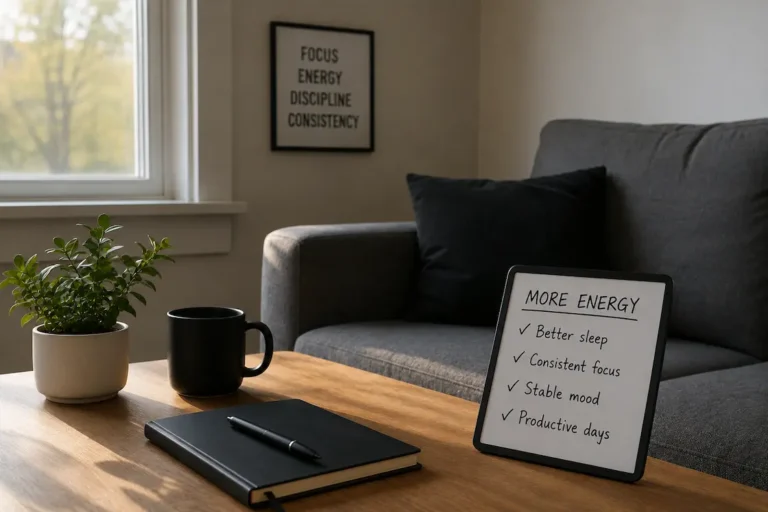
The productivity you will feel, the instant improvement in your focus during the day, is one of the many rewards of better sleep with reduced phone use. The tasks you prioritised in the past become goals and less of a challenge to complete.
Decreased phone use at night and during the day creates free time for all of these hobbies and other rewarding and fulfilling habits. These habits are more creative and more rewarding than mindlessly consuming new, trending topics.
Better nighttime habits allow you to break downward cycles of phone use and build healthier habits to improve all of your relationships. Phone-free socialising is the key to more in-person interaction and better relationships.
Tips for a Healthier Relationship With Your Phone
Set limits for your phone use. For example, you could keep your phone out of your bedroom while making your dining room a phone-free zone to help support family and personal connections during meal times.
For the time you do spend on technology, try to make it a group activity. Rather than gaming or browsing the Internet alone, invite your friends or family to engage with you.
Take breaks from technology during the day. Try a new activity that you don’t typically do during phone time, such as reading or going for a walk.
When you do use your device, be mindful. Before automatically reaching for your phone, ask yourself whether or not it is truly necessary.
When it comes to how you spend your time and what you see online, make a conscious effort to reduce meaningless content by unfollowing negative and distracting people.
Conclusion:
Finding a balance in the many facets of our digital lives is crucial. Reducing phone use before bed can help both mental and physical health. Sleep has restorative powers that help improve mood, productivity, and overall well-being. Disconnecting at night creates space for deeper, restorative sleep.
There are numerous benefits that come from setting limits for technology. Re-establishing that awareness and mindfulness in our daily routines is important. Although change is hard at first, once you embrace it, it will help improve how you use technology from bedtime to the time you wake up.
Controlling your nighttime rituals allows you to step beyond the limits of your screen. It lets you reflect and recharge while enjoying the stillness around you.
FAQs
How Does Phone Use Before Bed Affect Sleep?
Using a phone or other electronic device during the time leading up to and including bedtime can impact your circadian rhythm and promote more disturbed sleep. The blue light emitted by phone screens lessens melatonin production. This makes things like falling asleep and staying asleep more difficult.
What Can I Do Instead of Scrolling Before Bed?
Try reading a book or writing in a daily journal. Other things you can do to avoid the screen are meditation or deep breathing. All of these are excellent techniques to calm the brain.
Is It Okay to Still Use My Phone at Night If I Set Boundaries?
Yes, that is definitely the case. Boundaries are meant to control the balance of your phone use and are meant to monitor the use of the phone throughout the day.
Is There a Recommended Time to Stop Using Your Phone Before Bed?
Getting off of phones and other electronics at least half an hour to an hour before going to sleep is a good guideline. It allows your brain to calm down and prepare for sleep.
What If I Continue to Feel Tempted to Use My Phone at Night?
Keep your phone out of easy reach of your bed. It might be a good idea to keep it completely out of your bedroom. If you use your phone for an alarm, use a normal clock instead.

Abdur Rahman is a lifestyle writer focused on simple health habits and everyday wellness. He creates easy-to-understand content that helps readers improve their routines without confusion or pressure. His work covers topics like daily health habits, home fitness, simple nutrition, sleep, and stress management. He believes that small, consistent actions lead to meaningful long-term results and aims to make healthy living practical, realistic, and accessible for everyone.