Why Increasing Protein Intake Matters
Along with carbs and fats, protein is one of the three key macronutrients that you can find in food. All three give the body energy and help it do different things, but protein is special because it gives the body amino acids that it needs to build and repair cells. Because of its unique properties, protein is critical for people who work out often, want to keep their muscles, or just want meals that keep them full for longer.
A common misunderstanding is that athletes and bodybuilders are the only ones who need to eat more protein. Protein is something that everyone needs. How much someone needs depends on their age, body type, level of activity, health goals, and diet in general. A person who lifts weights may need more protein than someone who doesn’t do much physical activity, but both people still need the right amount as part of a healthy diet.
Protein is becoming more common because it can help you feel fuller after a meal. If your breakfast is mostly refined carbs, you might be hungry again soon. Adding things like eggs, Greek yogurt, cottage cheese, veggies, or lean meats can make a meal more balanced and satisfy you for longer.
People trying to maintain their muscles while changing their body composition may benefit from eating more protein. When paired with regular strength training, eating enough protein helps provide muscles the building blocks they need to repair and maintain themselves. But protein only works as part of a healthy lifestyle that includes eating right, exercising, getting enough sleep, and getting enough calories.
Why Many People Struggle to Eat Enough Protein
The biggest obstacle for many people is not knowing where protein fits into their meals. A typical meal may include rice, pasta, bread, vegetables, sauces, or snacks but contain only a small amount of protein. This does not mean the meal is unhealthy, but it may provide insufficient protein for someone trying to increase their intake.
Another common problem is the belief that high-protein meals require extra effort. People often imagine complicated recipes involving many ingredients, long preparation times, or expensive products. This mindset can make increasing protein feel overwhelming before they even begin.
In reality, many everyday foods already contain protein. The difference often comes from intentionally choosing protein-rich options more frequently. Adding an extra egg to breakfast, choosing yogurt with more protein, including beans in a meal, or increasing the portion of a protein source at dinner can gradually improve intake without creating an entirely new eating routine. Consistency is usually more important than perfection. A person who adds a moderate amount of protein to most meals often achieves better long-term results than someone who follows a complicated plan for a few days and then stops because it feels difficult to maintain.
Start With Small Changes Instead of Complete Diet Changes
One of the easiest mistakes people make when trying to eat more protein is to change everything at once. They may completely redesign their meals, buy unfamiliar ingredients, and create a strict schedule that becomes difficult to follow. While motivation may be high initially, extreme changes often become challenging when daily responsibilities, work, travel, or busy schedules interfere.
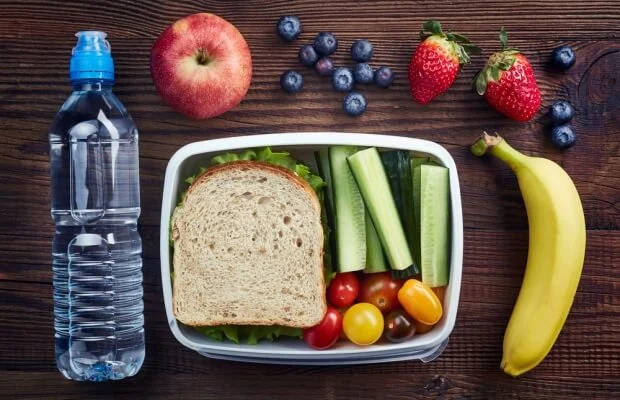
A more practical approach is to improve meals that already exist. Look at the foods you normally eat and ask where a simple protein addition would fit naturally. If breakfast is usually toast, adding eggs or yogurt may be enough. If lunch is a sandwich, increasing the amount of chicken, tuna, turkey, tofu, or another filling may improve the protein content. If dinner includes vegetables and rice, adding beans, fish, meat, or lentils can create a more balanced plate.
These small adjustments work because they reduce decision fatigue. Instead of creating separate “fitness meals,” you build better versions of meals you already enjoy. This makes the habit easier to maintain over months rather than just a few days.
Another useful strategy is keeping convenient protein options available. When people become hungry and have no easy choices, they often choose whatever is fastest. Having simple options ready can make higher-protein eating much easier without requiring advanced meal preparation skills.
Simple Ways to Add More Protein at Breakfast
Breakfast is often the meal where many people consume less protein than they realize. Traditional breakfast foods such as cereal, toast, pastries, and fruit can provide energy but may not contain enough protein to keep the meal balanced. The solution does not require creating complicated breakfast recipes. Small ingredient changes can increase protein significantly.
Eggs are one of the simplest options because they require minimal preparation and can be added to many breakfast styles. They can be boiled ahead of time, cooked quickly in the morning, or combined with vegetables for a simple meal. Greek yogurt is another convenient choice because it can be eaten directly and paired with fruit, nuts, or oats.
For people who prefer quick breakfasts, protein can also come from simple combinations. A bowl of oats becomes more balanced when paired with yogurt, milk, nuts, seeds, or another protein source. A smoothie can include ingredients such as milk, yogurt, nut butter, or protein powder if someone chooses to use it.
| Common Breakfast | Simple Protein Addition |
|---|---|
| Toast | Add eggs, cottage cheese, or nut butter. |
| Cereal | Use higher-protein milk or add Greek yogurt. |
| Oatmeal | Add yogurt, milk, nuts, or seeds. |
| Fruit-based breakfast | Combine these with yogurt or another protein source. |
The goal is not to create a perfect breakfast every day. It is simply to avoid starting the day with a meal that provides very little protein. A few simple additions can make a regular breakfast much more balanced.
Improving Lunch and Dinner Without Complicated Cooking
Lunch and dinner are often easier places to increase protein because they usually include a wider variety of foods. However, many meals are still built around the carbohydrate portion, with protein treated as a smaller addition. Changing this balance can increase protein intake without requiring entirely different recipes.
A useful approach is to think of protein as the main component of the meal rather than an afterthought. This does not mean removing carbohydrates or vegetables. Instead, it means making sure the meal contains a clear protein source alongside the other foods.
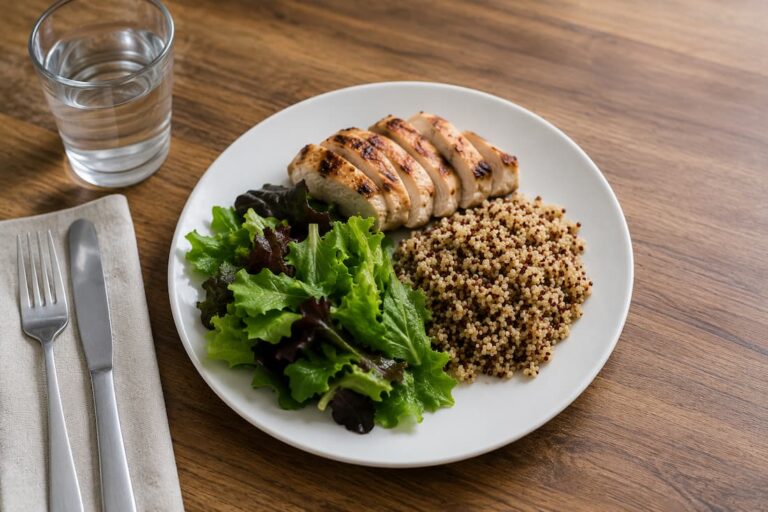
Simple options can include adding more chicken to a rice bowl, increasing the amount of beans in a meal, choosing lentil-based dishes, including fish with vegetables, or adding tofu to stir-fries. These changes often require only small adjustments to familiar meals.
Leftovers can also make protein intake easier. Preparing extra portions of a protein source during one meal can reduce effort later. Cooked chicken, boiled eggs, beans, lentils, or grilled tofu can be added to different meals throughout the week without repeating the exact same dish. The best approach is choosing methods that fit your lifestyle. A person who dislikes cooking may benefit from simple prepared options, while someone who enjoys making meals may prefer preparing larger batches. The goal is creating a routine that feels realistic.
Using Simple High-Protein Snacks
Snacks are often where people miss opportunities to increase protein intake. Many common snacks are designed mainly around carbohydrates or fats, which can provide quick energy but may not contribute much protein. This does not mean these foods need to be removed completely. Instead, adding more protein-focused snack choices can make the overall daily intake more balanced.
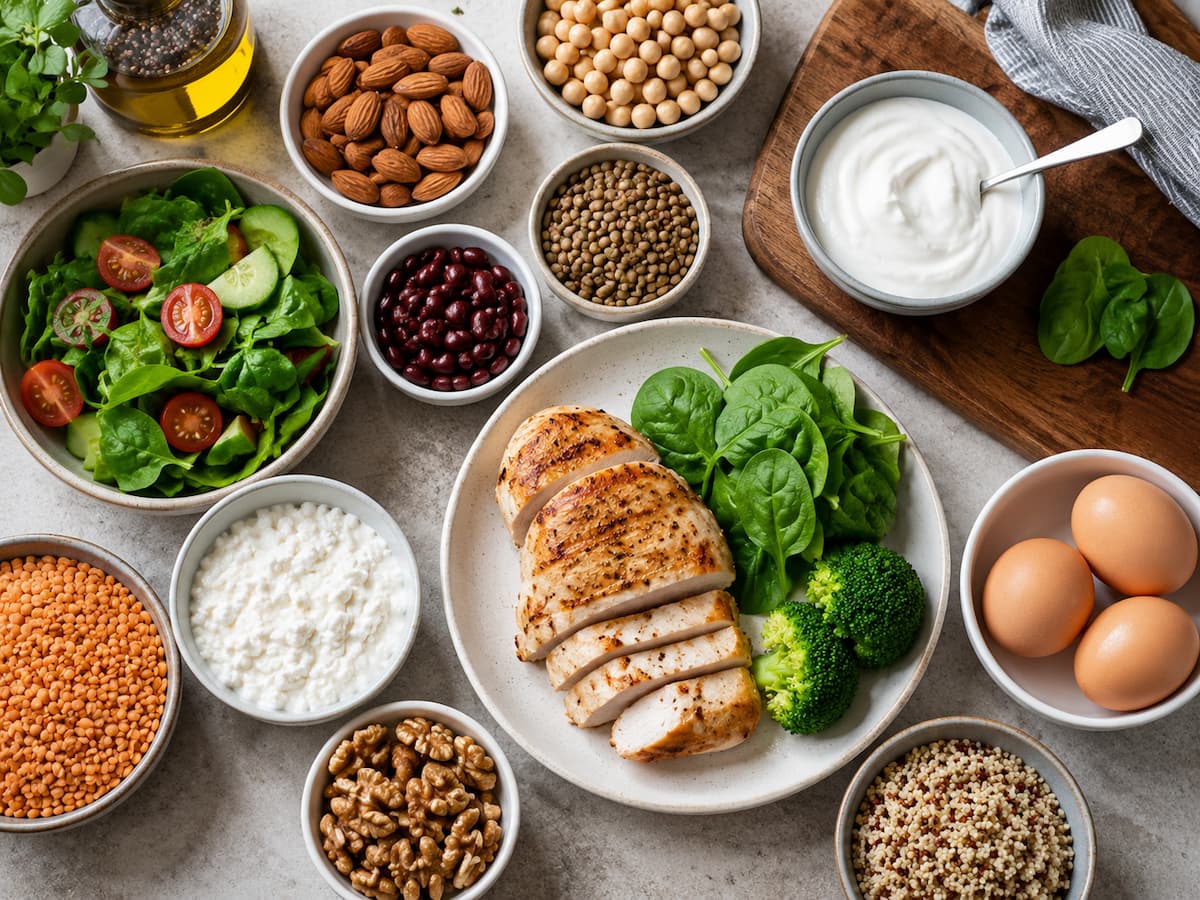
The easiest protein snacks are usually the ones that require little or no preparation. Greek yogurt, cottage cheese, boiled eggs, milk, cheese, nuts, roasted chickpeas, and simple sandwiches can all provide protein without requiring complicated cooking. The best choice depends on personal preferences, dietary needs, budget, and convenience.
A useful habit is combining a protein source with foods you already enjoy. For example, fruit can be paired with yogurt, crackers can be paired with cottage cheese, or a simple snack can include nuts alongside another protein-rich food. This approach makes protein feel like a normal part of eating rather than something separate from regular meals.
Many people also underestimate the value of small protein additions throughout the day. Someone does not need to consume a very large amount of protein in one meal to improve their overall intake. Several moderate protein choices spread across meals and snacks can make reaching a daily goal much easier.
Understanding Easy Protein Sources
Increasing protein intake becomes much simpler when people understand which foods naturally provide protein. Many beginners focus only on meat or expensive supplements, but there are many different options available. The best protein source is usually one that fits the person’s routine and is easy to include consistently.
| Protein Source | Why It Is Practical | Easy Ways to Use It |
|---|---|---|
| Eggs | Affordable and simple to prepare | Breakfast, snacks, salads, sandwiches |
| Greek yogurt | Convenient and requires no cooking | Breakfast, smoothies, snacks |
| Chicken or turkey | Versatile lean protein option | Meals, wraps, bowls |
| Fish | Provides protein with different nutritional benefits | Dinners, salads, sandwiches |
| Beans and lentils | Affordable plant-based protein sources | Soups, rice dishes, salads |
| Tofu | Flexible option for many recipes | Stir-fries, bowls, mixed dishes |
| Cottage cheese | Quick and easy snack option | Fruit bowls, snacks, meals |
There is no single perfect protein source. Different foods provide different combinations of nutrients, flavors, and levels of convenience. A balanced approach usually works best because relying on only one food can become boring or difficult to maintain.
For example, someone who eats only chicken for protein may eventually become tired of the same meals. Adding eggs at breakfast, yogurt as a snack, beans in lunch meals, and fish or tofu occasionally creates more variety while still supporting higher protein intake.
Increasing Protein Intake on a Budget
A common reason people avoid eating more protein is the belief that it is expensive. While some high-protein products can be costly, increasing protein intake does not require buying premium foods. Many affordable foods provide significant amounts of protein and can fit into different budgets.
Eggs, lentils, beans, milk, canned fish, yogurt, and legumes are examples of foods that can provide protein without a high cost. Frozen options can also be useful because they often have a longer shelf life and reduce food waste.
Another way to save money is to purchase versatile ingredients that you can use in multiple meals. A large batch of cooked lentils can become part of soups, salads, or rice dishes. For breakfast, snacks, or smoothies, a container of yogurt can be a great option. Preparing ingredients that serve multiple purposes reduces both cost and effort. The most expensive approach is often buying many specialized products without building consistent habits. A simple meal routine using affordable protein sources is usually more sustainable than depending on expensive convenience foods.
Budget tip: Focus on protein-rich foods you will actually eat regularly. The best choice is not always the cheapest or most expensive option, but the one you can consistently include.
Using Simple Preparation Strategies
Meal preparation does not need to mean spending an entire day cooking dozens of meals. For many people, simple preparation is enough to make higher-protein eating easier. The purpose of preparation is reducing future decisions and making convenient choices available.
One simple strategy is preparing a few flexible ingredients instead of complete meals. For example, cooking a portion of chicken, boiling eggs, preparing beans, or washing vegetables can make several meals easier during the week. These ingredients can then be combined differently depending on hunger and preference.
Another useful approach is preparing protein options in advance for busy periods. Many people struggle with nutrition not because they lack knowledge, but because they make food decisions when they are already tired or rushed. Having simple options available removes some of that pressure.
Preparation should match your lifestyle. Someone with limited time may only need a few ready-to-use ingredients, while someone who enjoys cooking may prefer making larger batches. There is no requirement to follow a complicated meal-prep system. The goal is creating a smoother routine where protein becomes easier to include without requiring extra effort every day.
Common Mistakes When Trying to Eat More Protein
One mistake people make is focusing only on protein while ignoring overall nutrition. Protein is important, but a healthy diet also requires various foods that provide carbohydrates, fats, vitamins, minerals, and fiber. Increasing protein should improve the balance of a diet, not replace everything else.
Another common mistake is making protein intake too complicated. Some people believe every meal must be perfectly calculated or that they need special recipes. This mindset can make healthy habits feel impossible to maintain. Simple improvements repeated consistently usually create better results than short periods of extreme effort.
Some people also increase protein without considering their total food intake. Adding large amounts of protein on top of an already sufficient diet may not create the results they expect. Nutrition goals should match personal needs, activity levels, and overall lifestyle.
Finally, many people underestimate consistency. Eating a very high-protein meal occasionally does not replace building a daily habit. Regularly including moderate protein sources throughout the day is usually a more practical approach.
Building Daily Habits That Make Protein Easier
The easiest way to increase protein intake is to create simple habits that happen automatically. Instead of making a new decision every day, attach protein choices to routines that already exist.
For example, someone might decide that breakfast always includes a protein source, lunch always contains a clear main protein ingredient, or snacks during busy periods include a convenient protein option. These small rules reduce the mental effort required to make healthier choices. It can also help to evaluate meals before eating them. A simple question, such as, “Where is the protein in this meal? “can help people become more aware of their choices without requiring detailed tracking.
Tracking protein intake can be useful for some people, especially those with specific fitness goals, but it is not necessary for everyone. Many beginners can make progress simply by improving meal structure and choosing protein-rich foods more often. The best habit is the one that fits your normal life. A strategy that feels manageable to continue will usually be more successful than a strict plan that feels exhausting.
Do You Need Protein Supplements?
Protein supplements can be convenient, but they are not required for everyone. Many people can meet their protein needs through regular foods. Supplements are simply another option that can help when someone has difficulty reaching their target through meals alone.
For example, a person with a busy schedule may consider a protein shake convenient after exercise or during a rushed day. Someone who already eats enough protein from normal meals may not receive a major benefit from adding supplements.
Whole foods provide more than protein alone. Many protein-rich foods also contain other nutrients that contribute to a balanced diet. Eggs provide vitamins and minerals, beans provide fiber, and dairy products provide nutrients such as calcium. If someone chooses to use a supplement, it should support a healthy eating pattern rather than replace various nutritious foods. The foundation of a good diet is still built around regular meals and quality ingredients.
Making Higher Protein Eating Sustainable
The best way to increase your protein intake is to set up a plan you can stick to. A hard-to-follow eating plan might work for a short time, but most people give up on it if it takes too much time, money, or effort.
Simple changes often lead to long-lasting results. Adding protein to breakfast, picking healthier snacks, making familiar meals better, and keeping easy-to-find ingredients on hand can help you change your eating habits over time without putting too much stress on yourself.
It’s also important to be able to change your mind. Life includes busy days, trips, social events, and unexpected changes. A realistic method takes these things into account while still being consistent overall. Getting more protein isn’t about making perfect meals. It means making better decisions more often and forming habits that help you reach your own goals.
Conclusion
Getting more protein doesn’t have to mean difficult recipes, spending a lot of money on ingredients, or making significant changes to your whole life. Usually, the best way to do something is to make small changes that fit right into everyday meals. Over time, making small changes like adding protein to breakfast, picking healthier snacks, improving regular dinner choices, and always having simple-to-find ingredients on hand can make a big difference.
The important thing is to focus on being consistent instead of being perfect. A straightforward eating plan that you can stick to is usually better than a complex one that you find challenging to follow.
Protein is only one part of a healthy diet, but making it easier to eat can help people reach their health and fitness goals and improve the quality of their meals. You can make eating more protein a normal part of your daily life instead of a hard project by choosing foods that are easy to prepare and making simple habits.
FAQs
1. How many grams of protein should I eat every day?
Protein needs change based on age, body type, level of exercise, fitness goals, and health in general. People who work out often might need more protein than people who don’t work out as often. Many people who are just starting out can start by making sure they get a clear source of protein in every main meal and then make changes based on their progress and needs.
2. Can I obtain more protein without having to cook every day?
Yes. Many things that are high in protein don’t need much or any preparation. It’s easy to get more protein by eating foods like Greek yogurt, cottage cheese, milk, boiled eggs, nuts, and beans that are already cooked. Making a few basic items ahead of time can also help you avoid cooking every day while still making sure you have well-balanced meals.
3. Do people who work out be the only ones who should eat more protein?
Protein is important for everyone because it helps the body do many normal things. Even though different types of exercise, especially strength training, can make you need more protein, everyone still needs enough protein as part of a healthy diet. Protein is important for everyone, not just sports. The amount needed may be different.
4. Do you have to drink protein shakes to build muscle?
You don’t need protein shakes to build muscle. Several things affect muscle building, such as resistance training, eating well, recovering, and sticking to habits. Protein supplements can help you get the protein you need, but many people can get enough protein from the foods they eat every day.
5. What are some easy high-protein foods that anyone can eat?
Eggs, yogurt, milk, chicken, beans, lentils, fish, tofu, and cottage cheese are all good foods for beginners because they are easy to add to other meals. Because consistency is more important than finding the “perfect” protein source, the best choices are foods that fit your taste, price, and way of life.
6. Is it possible to eat too much protein?
Protein needs are different for each person. Eating more protein is not always better, and for some people, eating a lot of protein may not provide any extra benefits. Usually, the best way to improve overall nutrition is to eat various foods that are high in nutrients, such as fruits, veggies, nuts, seeds, proteins, and carbohydrates.
References
- Harvard T.H. Chan School of Public Health – Healthy Eating and Nutrition Guidance.
- National Institutes of Health (NIH) – Dietary protein and nutrition information.
- International Society of Sports Nutrition—Position statement on protein intake and exercise.
- Academy of Nutrition and Dietetics – Evidence-based nutrition resources.

Abdur Rahman is a lifestyle writer focused on simple health habits and everyday wellness. He creates easy-to-understand content that helps readers improve their routines without confusion or pressure. His work covers topics like daily health habits, home fitness, simple nutrition, sleep, and stress management. He believes that small, consistent actions lead to meaningful long-term results and aims to make healthy living practical, realistic, and accessible for everyone.