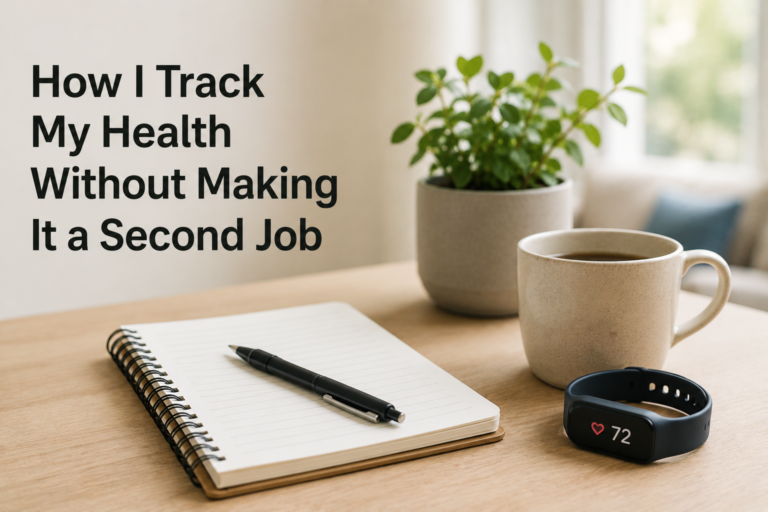
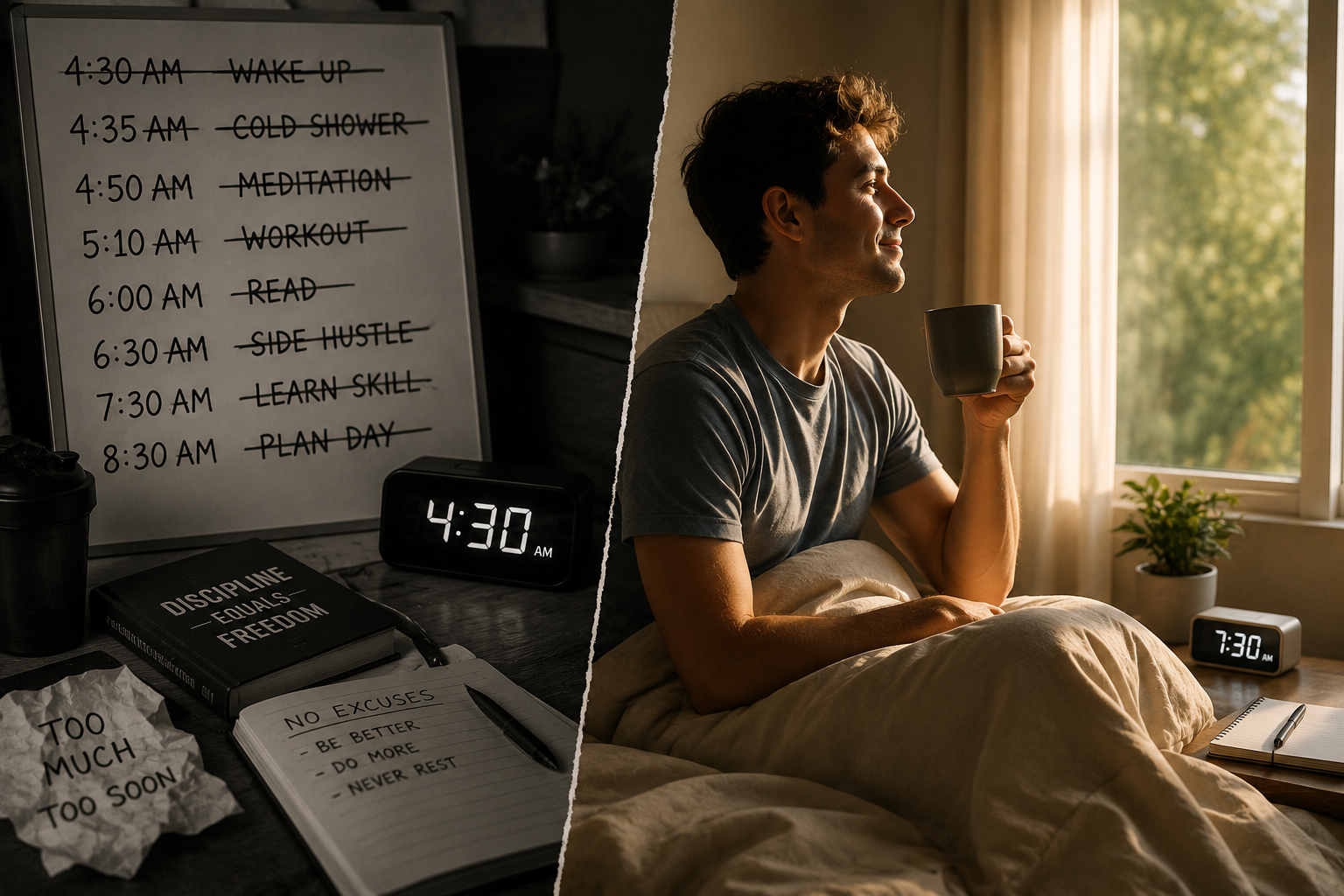
For a while, mornings felt like an obnoxious race I was losing before the sun even decided to come out. I started reading and watching how the most successful people began their day. The directions were simple, and it seemed like the world agreed. 4:00 AM wake-up call. 5:00 mile run, ice cold shower, 5 miles of running, 1 hour of meditation, 1 gallon of water, and a gratitude log. Do all of these tasks before 7:00 AM.
I bought the hype that if I were to do these things, then I would achieve extreme levels of productivity. The reality, though, was that I was miserable. Instead of being energised and excited to start the workday, I was burnt out beyond belief by noon.
This information is important because the way you begin your day often determines the way you spend the rest of it. A stressful, punishing routine might mean being on a stressful wave for the rest of the day, even before you do any of the normal daily activities, like checking emails. For an extended period, I depended on the snooze button and experienced considerable guilt for avoiding the cold showers. I knew I had to change something to end the nonstop cycle. It was time to trade the intense patterns for a realistic and achievable morning routine like other human beings. I’ve detailed the process I followed below, including some of the lessons learned along the way.
What Was Causing The Problem
These were intense habits I was copying from someone else. Everyone is different, and so are their routines. I was being too rigid and treating my mornings like a to-do list when I should have considered the routine more gently. I was also fighting my body.
I am definitely far from being a morning person. Forcing myself to wake up at 4:30 AM went against everything I stood for and caused even more of a problem. My body was saying more of a resounding no.
To make matters worse, I had too many steps to complete. My ideal morning routine had twelve components. The expectation was to mentally process educational podcasts, write a long journaling prompt, and complete a long workout before I was fully awake. Morning guilt traps were created. If I neglected to complete a step, such as reading ten pages of a business book, the entire morning would be adversely affected. I used all my willpower to get my routine done during the quiet period before I started my actual work.
What I Changed
I took my inspiration from the opposite side of the spectrum from fitness influencers and productivity gurus and started to focus on the activities that I actually enjoyed in the morning. Because of these realisations, I decided to go back to the starting line with a completely blank slate.
I moved my wake-up time from the obnoxious 4:30 AM to 6:30 AM and ditched my first-thing-in-the-morning workout. Throughout the rest of the day, I naturally peaked, so I decided to abandon the complex system I had set up with all my journals and planners.
I entirely changed my mindset. I no longer dread my mornings. Your routine should grade you, not the other way around. I eliminated the chore-like components of my routine.
What Helped Most
The focus was set on simplifying my morning routine. I switched to more gentle and more sustainable rituals.
Prioritising actual sleep made a significant difference in how ready I was to tackle my day. I learned that a successful morning routine starts the night before. By finally waking up at a reasonable time, I started getting seven to eight hours of sleep. I discovered that the benefits of waking up rested on my focus and productivity are greater than the benefits of cold plunges and intense workouts.
I took the medical aspects out of my hydration routine. Instead of the usual massive cup of lemon water with supplements, I drank a normal glass of plain water while my coffee brewed. This simplified my routine, and I even noticed the benefits it had on my digestion.
I also started practising quidditch. I replaced my structured meditation with ten minutes of sitting on my couch at the start of my day, free from distractions. I let my brain wake up while I stared out my window.
Common Mistakes to Avoid
When you decide to improve your mornings, you naturally want to make all the changes at once. A better routine does not mean the drastic overhaul of everything you do. Instead of complete changes to your whole morning routine every single day, do one minor change for a week. For instance, you could add a daily glass of water for the week and select another for your second week. Your mornings will improve quickly.
Another important thing is not to be inflexible with your schedule. Real life is more unpredictable than that. You’ll have terrible nights, your dog might become sick in the morning, or your coffee maker might break. A schedule is too strict if it breaks when you wake up 15 minutes late. You should add some leniency to your mornings.
Do not confuse success with waking up early. There is no correlation between waking up at 5:00 AM and being a better or more productive person than someone who wakes up at 7:30 AM. The only thing that matters is what you do during the time that you are awake. Don’t lose sleep over waking up to an early alarm that you have to brag about.
What Improved Over Time
Getting rid of my rigid routines improved my mornings and improved my peace of mind. I used to be so anxious to wake up to my 4:30 AM alarm. Everything changed once I got enough sleep. I noticed that I didn’t crash in the afternoons anymore, and I didn’t need a third cup of coffee just to get through the day.
My mood uplifted, making me a better partner and a more patient co-worker. It was a surprise that my productivity at work improved. By breakfast time, I had not depleted my willpower, so I had more mental clarity throughout the workday. I began to anticipate mornings, which were like a soothing start to the day, in place of testing my physical endurance.
Frequently Asked Questions
Where is the line when waking up at 5 AM stops meaning success?
Success does not come at 5 AM. It comes from a focused effort during work hours. 7 to 8 AM is a more productive wake-up time for a lot of highly productive people because that time frames their natural energy cycles, so they are relaxed afterward.
How do I identify a routine that works for me?
First, picture how you want to feel before work. What feeling do you connect to the most? Energised? Calm? Organised? Each of these feelings stems from its own set of actions. In your routine, find one easy action that supports the feeling you most want to experience at the beginning of each workday, and practise it for at least a week. If the routine feels too heavy, please consider replacing it.
Is it beneficial to wake up early for exercise?
The decision to wake up earlier and hit the gym should be based on your enjoyment of morning exercise and personal preferences. If exercise makes you miserable or makes you lose out on sleep, then try during lunch or after work. The ideal time to work out is whenever you’re most likely to hit the gym.
What if I can’t stop snoozing?
Constantly pressing snooze usually means you’re sleep-deprived. Reflect on your behaviour during the evening hours. Try hitting the hay earlier instead of waking up later. Sleeping later, combined with crossing your alarm to the other side of the room to get up and turn it off, is worth a try.
Conclusion
Getting up for two hours of high-intensity workouts is popular, but starting your day off right can be less extreme. The best morning routine is the one you can stick to without feeling miserable. Try focusing on simple and small things, like sleep, to start. Keeping it this way helps you remember that mornings are meant to be happy, not drenched in exercise.

Abdur Rahman is a lifestyle writer focused on simple health habits and everyday wellness. He creates easy-to-understand content that helps readers improve their routines without confusion or pressure. His work covers topics like daily health habits, home fitness, simple nutrition, sleep, and stress management. He believes that small, consistent actions lead to meaningful long-term results and aims to make healthy living practical, realistic, and accessible for everyone.