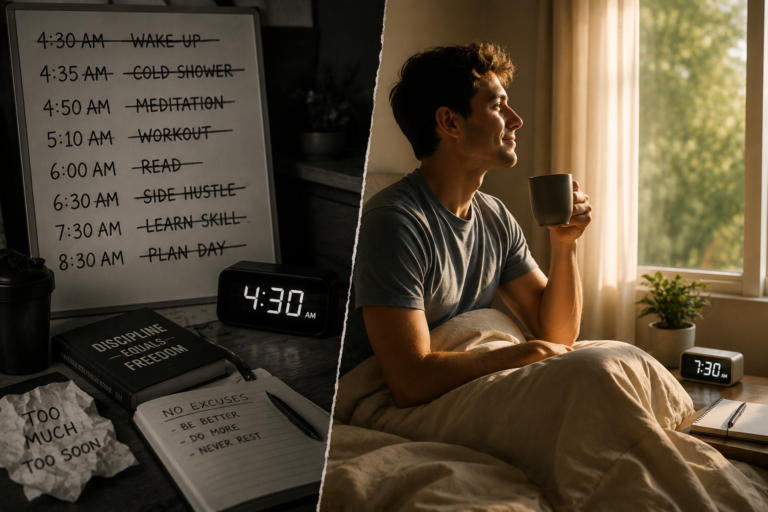
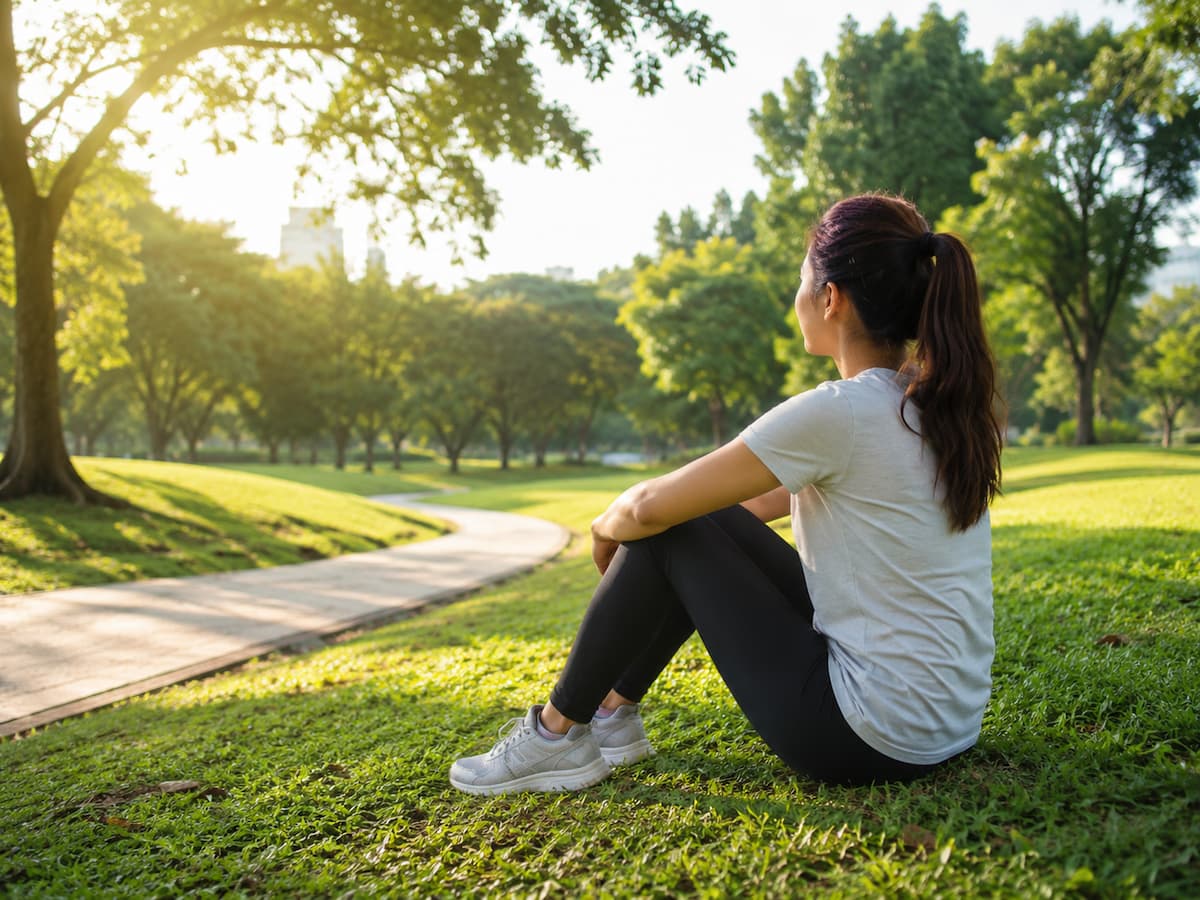
A healthier daily routine doesn’t always involve another intense workout, difficult diet, or rigorous schedule. Sometimes the simplest adjustment is spending more time outside. Regular outdoor time allows people who work, study, rest, and exercise indoors to move, experience daylight, change surroundings, and mentally break from monotonous indoor conditions.
Going outside has benefits beyond nature. An easy neighborhood walk helps break up lengthy periods of sitting. A few minutes in a garden, balcony, or park can also help you transition between business and personal time. Outdoor time is not a health panacea, but it can enhance other healthy behaviors.
Outdoors Can Ease Daily Movement
Outdoor exercise typically increases movement without a scheduled workout, which is a practical benefit. Walking to a local destination, touring a park, climbing outdoor stairs, or just moving about becomes more natural after you leave home or work. This can help break up extended periods of sitting, which are common when working at a computer or using digital devices.
Not all outdoor activities need to be workouts. Both vigorous workout walks and relaxing walks can be part of a balanced regimen. The key is that outside time can increase daily movement. Instead of only thinking about scheduled exercise, evaluate how often your routine makes you stand up and move. A short walk after lunch can be useful for someone who works indoors all day. It breaks up sitting and helps define the day. That basic practice may become easier to sustain than scheduling a separate workout.
Daylight Is an Important Part of the Outdoor Experience
Natural light affects the circadian system when outdoors during daylight. This system regulates sleep and wakefulness. Daytime light exposure, sleep patterns, mood, and circadian rhythms have been studied, however individual responses vary, and observational studies do not prove that outside time alone would improve sleep or happiness.
For daily tasks, the lesson is simple. Time spent outdoors during the day can easily include natural daylight in your agenda. Not every action needs planning. Walking to a neighboring shop, having breakfast outside, taking a midday break, or sitting in a garden are all ways to spend daylight outdoors. One reason outside time might be part of a morning ritual is that it changes the environment. Stepping outside for a brief time can change the morning routine instead of immediately returning to a screen-dominated indoor atmosphere.
Change of Environment Can Relieve Mental Fatigue
When employment requires continuous focus or regular screen use, spending several hours in the same setting can feel repetitious. Moving outside disconnects you from your desk, room, or device. Nature can provide different visual and sensory experiences than indoors. Trees, open spaces, changing scenery, natural sounds, and basic outside activity can distract you.
Nature exposure has been linked to various well-being factors; however, the evidence differs by result and exposure type. The benefit does not require a wild adventure. A little neighborhood green space can provide a break. Accessibility is vital for daily life. A close park you can visit often may be better for your habits than a lovely place that needs long travel and planning.
Outdoor Exercise Feels Less Repetitive
Exercise is easier to maintain when you do it often. Outdoor exercise is more interesting for some since the scenery changes. Walking can take you by different buildings, trees, streets, and monuments, and an outdoor workout can change the environment.
Outdoor exercise is not always better than indoor exercise. Indoor training is easier in harsh conditions or when someone needs specialist equipment. Outdoor activities should be considered an option rather than a replacement for everything else. A strength trainer who trains indoors could add two or three outside walks per week. Another person could shift an occasional mobility session to a patio or garden. These minor changes might make a routine less tedious without a redesign.
Regular Outdoor Time Improves Daily Transitions
A successful routine involves both what you do and how your day flows. Outdoor time can transition activities. Think soon after work. After working at a desk, switching to a screen for entertainment minimally changes the actual surroundings. Taking a short stroll first separates work and personal time. After studying, before dinner, or during a long afternoon, the same applies.
These changes can benefit home-based workers. When work and home are in the same place, it’s hard to separate them mentally. A quick walk around the block can start or end the workday. The trek need not be strenuous. Part of its role is separation and movement.
Don’t Need Hours Outside to Make It a Habit
People may shun healthy behaviors because they think they take too much time. Outside time doesn’t have to be that way. It can be broken into manageable chunks around existing obligations. A busy person may walk for ten minutes in the morning, take another brief break at lunchtime, and walk longer in the evening. A more flexible person may enjoy a longer walk. Neither technique is right for everyone.
Weekly time spent in nature has also been associated with health and well-being. Large observational studies have linked spending at least 120 minutes per week in nature to improved health and well-being. Importantly, this research shows a connection rather than proving that time spent outside improves health. That distinction is significant because outside time shouldn’t become another inflexible goal that adds strain. Consistent routines are useful.
Make Outdoor Time Fit Your Lifestyle
An effortless outdoor habit is usually something you already do. Instead of drinking coffee while checking your phone, try it outside. Your lunch break may include walking if you eat at home. When appropriate, you could make occasional calls to friends and relatives while walking. This method avoids creating a new time block. Instead, add an outside component to an existing activity.
Your surroundings affect realism. Those living near major parks have different alternatives than those in congested metropolitan areas with little green space. Neither prevents outside time. A calm street, patio, balcony, community garden, walking route, or other accessible outdoor place might provide a break from indoors. The optimal option is usually safe, convenient, and repeatable.
Outdoor Time Need Not Be Exercise
It helps to differentiate outdoor time from exercising. Sitting outside with a book, conversing with someone, maintaining plants, eating a meal outside, or just spending a few quiet minutes in a nice location can be a break from interior routines. These hobbies may not be as physically beneficial as walking or exercise, but they can spice up the day. The distinction also makes outdoor routines more flexible. An enthusiastic day may require a longer walk. You might sit outside on a hectic or tiring day. More reasonable than seeking daily uniformity is maintaining some regularity.
Weather and Safety Should Determine Routine
Conditions should always determine outdoor time. High temperatures, severe cold, storms, poor air quality, slippery surfaces, or an unsafe setting might make an outside activity unsafe. Routines are useless if you always follow them as rules.
In hot temperatures, choosing a cooler time of day, seeking shade, wearing appropriate clothing, and staying hydrated can make outdoor exercise more bearable. Moving the activities indoors during adverse weather is fine. Outdoor habits should complement a healthy routine, not put you at risk. Additionally, sun exposure should be minimized. Staying outside doesn’t entail seeking direct sunshine. According to weather, location, time of day, and exposure duration, shade, clothing, and sun protection can help.
Simple Way to Get More Outdoor Time Each Week
Instead of trying to rearrange your entire schedule, pick one part of the day that may be outside. A morning drink, lunch break, short phone call, evening walk, or weekend leisure time can present an opportunity. If you feel comfortable, add another outdoor period after that activity becomes familiar. Starting with a 10-minute stroll after lunch and adding a relaxing evening walk 3-4 days a week is an example.
Consider what makes the habit simple or challenging. Change locations if you frequently miss outdoor sessions due to distance. If noon heat makes walking uncomfortable, walk in the morning or evening. If you dislike walking alone, consider running an errand or chatting with someone. The idea is not to write a great outside routine. The goal is to create a routine that fits your life.
The Best Outdoor Routine Is Repeatable
Regular outside time helps connect healthy habits. A walk can bring exercise, daylight, and a respite from work. Green spaces change your environment and provide screen-free time. Outdoor activities with others can combine socializing and exercise. None of these benefits suggest going outside should replace sleep, planned exercise, decent food, medical treatment, or other health necessities. Outdoor time is greatest when integrated into a habit.
Making leaving the house or going outside a daily habit is the easiest way. Start with a low-preparation activity, add it to a habit, and tailor it to your schedule and environment. Outdoor time is more likely to stick if it becomes a habit instead of something you have to force yourself to do.
Conclusion
Outdoor time need not be complicated. Walking, spending time in a garden, eating lunch outside, or taking a break from your desk can add variety and activity to your day. One of the biggest benefits is how readily outdoor time fits into your routine. Instead of another health goal, utilize it as a natural transition between activities, a chance to move, or a break from screens and indoors. Habits that last during busy days form a better routine. Making time to go outside is a simple start for many.
FAQs
1. How much outside time should I receive daily?
There’s no set daily quantity for everyone. Starting with modest durations and gradually adding outdoor time to your week is sensible. Short trips can provide mobility and a change of scenery.
2. Is outdoor walking better than indoor?
Not necessarily. Exercise is possible with both. Outdoor walking offers natural daylight and changing scenery, while indoor walking may be easier in adverse weather or safety situations.
3. Are outdoor activities useful for mental health?
Natural surroundings may improve mental health; however, the results vary, and outside time should not be used as a treatment. It can enhance a healthy lifestyle.
4. Can outdoor time help sleep?
Researchers have linked daytime outdoor light exposure to sleep outcomes due to the circadian system. Outdoor time alone may not solve sleep issues.
5. If I don’t live near a park?
No vast natural space is needed. A peaceful street, garden, patio, balcony, walking route, or other safe outdoor location might provide a respite from indoors. Choose something you can use often.

Abdur Rahman is a lifestyle writer focused on simple health habits and everyday wellness. He creates easy-to-understand content that helps readers improve their routines without confusion or pressure. His work covers topics like daily health habits, home fitness, simple nutrition, sleep, and stress management. He believes that small, consistent actions lead to meaningful long-term results and aims to make healthy living practical, realistic, and accessible for everyone.