
Work pressure is something almost everyone deals with, whether you’re working in an office, running a small business, studying, or juggling multiple responsibilities at home. The real challenge is not the pressure itself, but how quickly it starts affecting your mental clarity, focus, and decision-making throughout the day.
Some days you feel sharp in the morning but mentally exhausted by afternoon. Other days, even simple tasks feel overwhelming. This article is about breaking that cycle in a practical, realistic way—so you can handle work pressure without feeling mentally scattered or drained.
Understanding Why Work Pressure Affects Mental Clarity
Before trying to fix anything, it helps to understand what is actually happening in your mind when work pressure builds up.
Work pressure usually doesn’t come from a single task. It comes from multiple small things stacking together:
- Too many tasks at once
- Constant notifications and interruptions
- Fear of missing deadlines
- Switching between different types of work
- Lack of proper breaks
When your brain is forced to juggle all of this, it starts to lose “processing space”. That’s when mental clarity drops. You may notice:
- Forgetting simple things
- Taking longer to complete tasks
- Feeling mentally foggy
- Struggling to prioritize
This isn’t a sign of weakness—it’s just mental overload.
Starting Your Day With a Clear Mental Direction
One of the biggest reasons people feel overwhelmed is starting the day without clarity. If your morning begins with confusion, the rest of the day usually follows the same pattern.
Instead of jumping directly into work, take a few minutes to set a simple direction:
- What are the 2–3 most important tasks today?
- What absolutely needs to be finished?
- What can wait if time runs short?
You don’t need a complicated planner. Even a small mental list works. The goal is to reduce decision fatigue later in the day.
When your brain knows what matters most, it stops wasting energy on unnecessary thinking.
Learning to Separate Urgent From Important Work
A major cause of work pressure is treating everything like it’s urgent. In reality, not everything deserves immediate attention.
Try mentally dividing tasks into two categories:
1. Urgent tasks
These need attention soon—deadlines, meetings, time-sensitive responsibilities.
2. Important tasks
These matter for long-term progress but may not be urgent right now.
Most people spend their entire day reacting to urgent tasks and never reach important ones. This creates a feeling of being “busy but unproductive”.
A simple shift in mindset helps:
- Handle urgent tasks first, but in controlled time blocks
- Reserve focused time for important work without interruption
This balance reduces mental chaos and improves clarity.
The Power of Single-Tasking Instead of Multitasking
Multitasking often feels productive, but it silently drains mental clarity. Every time you switch tasks, your brain needs time to adjust. That switching creates mental fatigue.
For example:
- Writing a report
- Checking messages
- Replying to emails
- Coming back to the report
Each switch breaks your focus rhythm.
Instead, try single-tasking:
- Focus on one task at a time
- Finish a meaningful portion before switching
- Avoid opening unnecessary tabs or apps
You’ll notice that not only do tasks get done faster, but your mind also feels less cluttered.
Managing Digital Noise That Steals Focus
One of the biggest hidden causes of work pressure today is digital distraction. Notifications, messages, emails, and social media constantly interrupt your thinking flow.
Even if you don’t respond immediately, your mind still registers the interruption.
To reduce this mental noise:
- Turn off non-essential notifications during focus time
- Check emails or messages in scheduled blocks
- Keep your phone slightly away while working
- Use silent or “do not disturb” mode when needed
The goal is not to disconnect completely, but to control when you engage with digital input.
When your attention is not constantly pulled in different directions, mental clarity improves naturally.
Creating Small Breaks That Actually Reset Your Mind
Many people think taking breaks means scrolling on their phone or switching to another screen. But that kind of break doesn’t refresh the mind—it keeps it overstimulated.
A real mental reset break is something different:
- Standing up and stretching
- Walking for a few minutes
- Looking away from screens
- Drinking water slowly without distractions
- Sitting quietly for a moment
These small pauses allow your brain to “cool down” from continuous processing.
Even 3–5 minute breaks between tasks can reduce mental pressure significantly when done consistently.
Managing Emotional Pressure Along With Workload
Work pressure is not only about tasks. It also comes from emotional load—expectations, deadlines, comparisons, and self-pressure.
Sometimes the mind becomes heavy not because of work quantity, but because of internal tension.
A helpful approach is to separate “task reality” from “emotional reaction”:
- Task reality: What actually needs to be done
- Emotional reaction: Fear, worry, overthinking, pressure
When you confuse both, everything feels more intense than it really is.
Instead of saying “I have too much work”, try reframing it as
- “I have a list of tasks, and I will handle them one by one.”
This simple mental shift reduces emotional overload and restores clarity.
Organizing Work Into Small Manageable Steps
Large tasks often create mental pressure simply because they feel too big to start.
For example:
- “Complete project” feels overwhelming
- But “write introduction paragraph” feels doable
The brain responds better to small actions.
Break your work into smaller steps, like:
- Step 1: Collect information
- Step 2: Draft outline
- Step 3: Write section one
- Step 4: Review and refine
Each completed step gives your mind a sense of progress, which reduces pressure and improves focus.
Progress is one of the strongest antidotes to mental clutter.
Avoiding the Trap of Overplanning
Planning is useful, but overplanning can sometimes increase mental pressure instead of reducing it.
When you spend too much time planning:
- You delay actual work
- You overthink possible outcomes
- You feel mentally “busy” without progress
A better approach is flexible planning:
- Plan the direction, not every detail
- Adjust as you move forward
- Allow room for unexpected changes
Think of planning as a guide, not a strict rulebook.
This keeps your mind lighter and more adaptable during the day.
Building a Calm Work Rhythm Instead of Rushing
Many people operate in a cycle of rush → stress → exhaustion. This rhythm slowly destroys mental clarity over time.
Instead, try building a steady work rhythm:
- Work with consistent focus periods
- Avoid last-minute rush whenever possible
- Maintain a balanced pace throughout the day
Rushing creates mental noise. Steady pacing creates mental stability.
Even if the workload is the same, your experience of it changes completely based on how you approach it.
Ending Your Workday With Mental Closure
One overlooked reason for ongoing work pressure is not mentally “closing” your day. If your mind keeps replaying tasks after work hours, it never fully resets.
To avoid this:
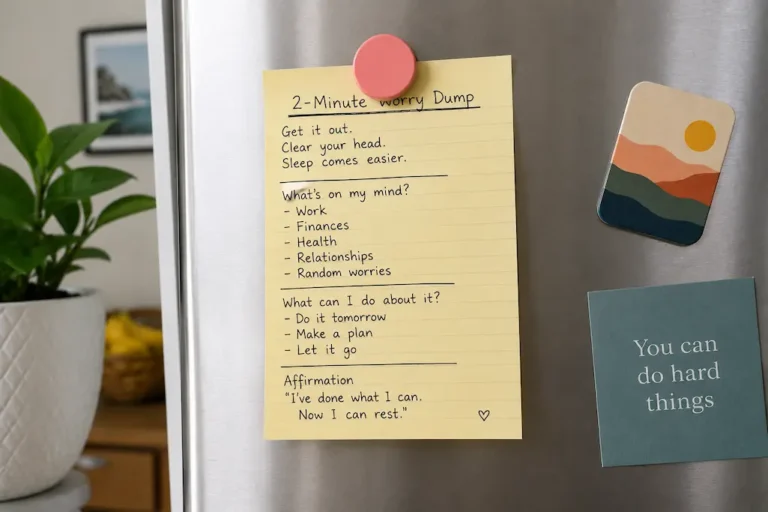
- Write down unfinished tasks for tomorrow
- Note what you completed today
- Mentally tell yourself the workday is done
This simple habit signals your brain that it’s time to shift from “work mode” to “rest mode”.
Without closure, your mind stays partially stuck in work pressure even during rest time.
Conclusion
Managing work pressure without losing mental clarity is not about doing less work—it’s about doing work in a more controlled, mindful, and organised way. When you understand how mental overload happens, you can start making small changes that have a big impact. Whether it’s reducing multitasking, controlling digital distractions, breaking tasks into smaller steps, or simply taking better breaks, each habit contributes to a clearer and calmer mind.
The goal is not perfection. The goal is balance. A balanced work rhythm helps you stay productive without feeling mentally drained. Over time, these small adjustments create a noticeable difference in how you think, focus, and handle daily responsibilities.
FAQs
1. Why do I feel mentally exhausted even when my work isn’t physically hard?
Mental exhaustion often comes from constant decision-making, multitasking, and interruptions rather than physical effort. Even simple tasks can feel draining when your attention is scattered.
2. How can I stay focused when I have too many tasks?
Start by identifying the top 2–3 priorities for the day. Focus on one task at a time instead of switching between multiple tasks. This reduces mental load and improves clarity.
3. Are short breaks really helpful during work?
Yes, short breaks help reset your attention and reduce mental fatigue. Even a few minutes away from screens or work can improve focus and clarity when you return.
4. What is the biggest mistake people make under work pressure?
The biggest mistake is trying to do everything at once. This leads to multitasking, confusion, and reduced productivity. Prioritising tasks makes work more manageable.
5. How do I stop thinking about work after finishing my day?
Creating a simple end-of-day routine helps. Write down unfinished tasks, review what you achieved, and mentally mark the day as complete. This helps your brain switch off work mode.

Abdur Rahman is a lifestyle writer focused on simple health habits and everyday wellness. He creates easy-to-understand content that helps readers improve their routines without confusion or pressure. His work covers topics like daily health habits, home fitness, simple nutrition, sleep, and stress management. He believes that small, consistent actions lead to meaningful long-term results and aims to make healthy living practical, realistic, and accessible for everyone.