Eating better doesn’t always mean counting calories, eliminating entire food groups, or following a strict diet plan. For many beginners and everyday readers, the idea of dieting can feel overwhelming, restrictive, and hard to sustain. The truth is that improving your eating habits can be simple, flexible, and enjoyable when approached thoughtfully.
In this article, I’ll share practical strategies and tips for eating better without strict dieting. These methods focus on balance, mindful choices, and realistic habits that fit into daily life. By making gradual changes, you can improve nutrition, energy, and overall health while still enjoying your favourite foods.
Understanding the Mindset of Eating Better
Before changing what you eat, it’s important to adjust how you think about food. A rigid, “all-or-nothing” approach often leads to frustration and quick burnout.
Shift from Dieting to Lifestyle
- Focus on progress, not perfection: Instead of aiming for a perfect diet, aim for consistent improvements.
- Permit flexibility: Allow yourself occasional indulgences. Eating better doesn’t mean never enjoying pizza or dessert.
- Listen to your body: Pay attention to hunger, fullness, and energy levels rather than following strict rules.
By adopting a flexible, mindful approach, you can make eating better a sustainable lifestyle rather than a short-term challenge.
Start with Small Changes
Trying to overhaul your diet overnight rarely works. Small, realistic changes are easier to maintain and can have a big impact over time.
Examples of Simple Changes:
- Swap beverages: Replace sugary drinks with water, sparkling water, or herbal tea.
- Add vegetables: Include a serving of vegetables at lunch and dinner.
- Choose whole grains: Replace white bread, rice, or pasta with whole-grain alternatives.
- Include protein: Add eggs, yoghurt, beans, or lean meat to meals for satiety.
These small adjustments gradually improve nutrition without feeling restrictive.
Meal Planning Without Overthinking
You don’t need a strict diet plan to eat better. Planning meals in advance helps reduce impulsive food choices and ensures balanced nutrition.
Benefits of Simple Meal Planning:
- Prevents last-minute unhealthy meals or takeout.
- Reduces stress around food decisions.
- Encourages variety and balance in meals.
How to Plan Meals Flexibly:
- Weekly menu: Write down a basic meal plan for the week with room for flexibility.
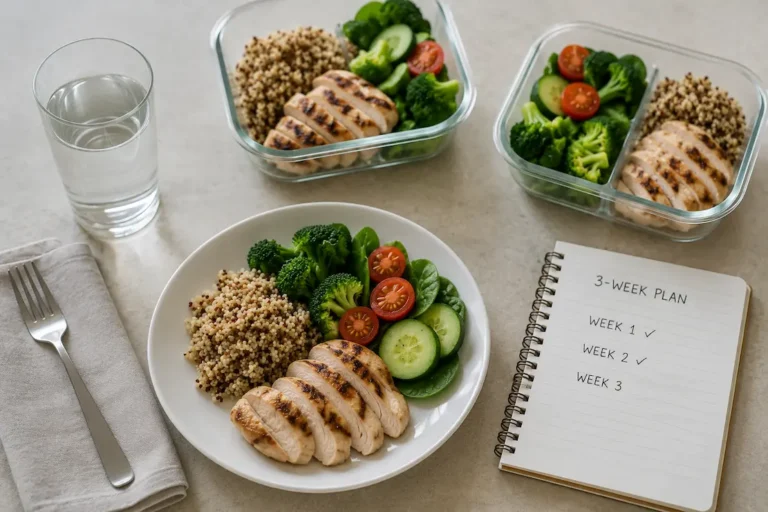
- Batch prep: Cook staples like grilled chicken, roasted vegetables, or quinoa in advance.
- Mix and match: Keep a list of healthy options for breakfast, lunch, and dinner to rotate easily.
Even a simple meal plan keeps your meals nutritious without enforcing rigid rules.
Eat Balanced Meals
Eating better without strict dieting means creating balanced meals that satisfy hunger and provide lasting energy.
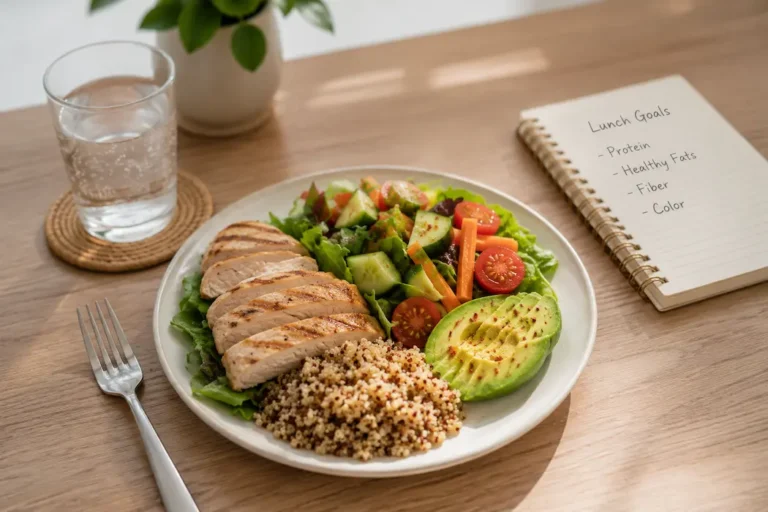
Components of a Balanced Meal:
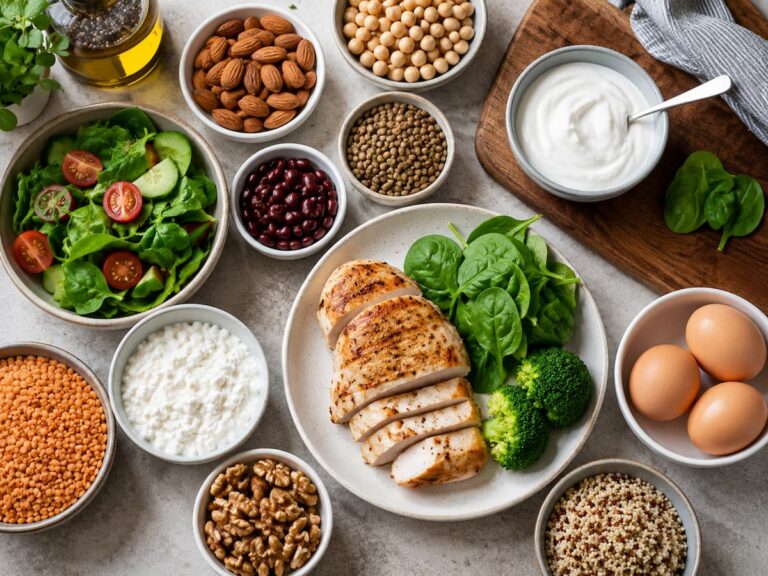
- Protein: Eggs, chicken, fish, tofu, beans, or Greek yoghurt.
- Complex carbs: Whole grains, sweet potatoes, or legumes.
- Vegetables: Add at least one colourful vegetable for nutrients and fibre.
- Healthy fats: Nuts, seeds, avocado, or olive oil to support brain and heart health.
Practical Tips:
- Fill half your plate with vegetables.
- Combine protein with carbs to maintain stable energy.
- Include healthy fats in moderation for satiety.
Balanced meals make you feel full, energised, and less likely to snack on unhealthy foods.
Embrace Mindful Eating
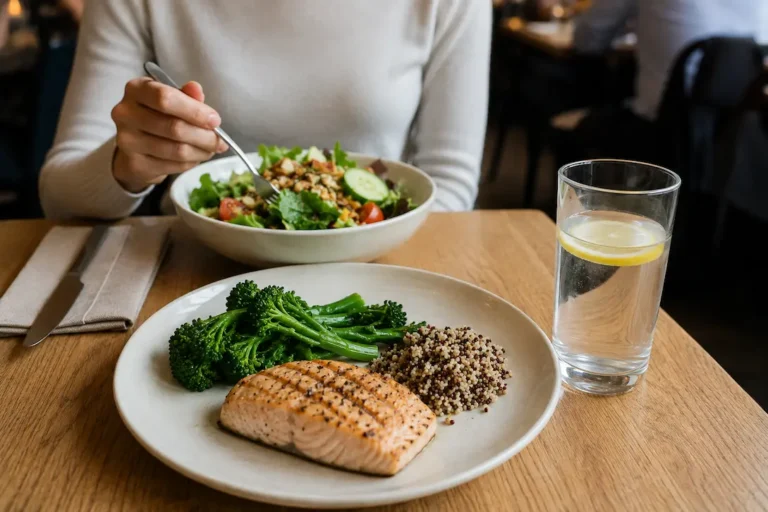
Mindful eating is a powerful way to improve your diet without strict rules. It involves paying attention to your food, savouring flavours, and tuning into hunger and fullness cues.
Benefits of Mindful Eating:
- Helps prevent overeating.
- Reduces cravings for sugary or processed foods.
- Encourages appreciation and enjoyment of meals.
How to Practice Mindful Eating:
- Eat without distractions like TV or phones.
- Chew slowly and savour each bite.
- Notice physical hunger and fullness rather than eating out of habit or emotion.
Mindful eating allows you to enjoy all foods without guilt while improving overall nutrition.
Make Snacks Work for You
Snacking can support healthy eating when done thoughtfully. Choosing nutrient-dense snacks prevents energy crashes and keeps hunger in check.
Healthy Snack Ideas:
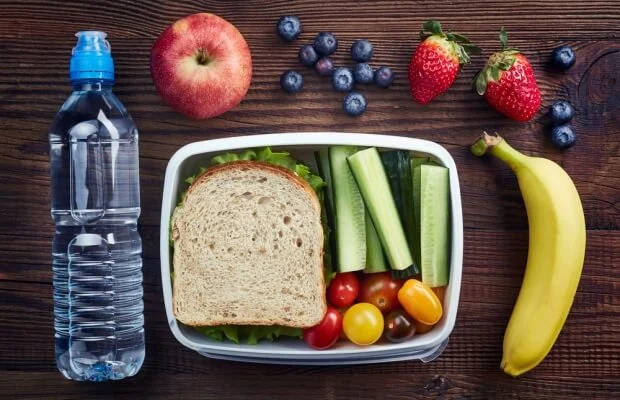
- Fresh fruit with a handful of nuts.
- Greek yoghurt with berries.
- Carrot sticks or cucumber slices with hummus.
- Whole-grain crackers with avocado or peanut butter.
Tips for Smart Snacking:
- Pre-portion snacks to avoid overeating.
- Include protein and fibre for satiety.
- Keep healthy options visible and accessible.
Snacks become a tool for balance, not a source of guilt or indulgence.
Reduce Sugar Gradually
Sugar is one of the easiest areas to improve without strict dieting. Reducing added sugar helps stabilise energy, reduce cravings, and support overall health.
Practical Ways to Cut Sugar:
- Swap soda and sugary drinks for water or herbal teas.
- Replace candy and desserts with fruit or dark chocolate in moderation.
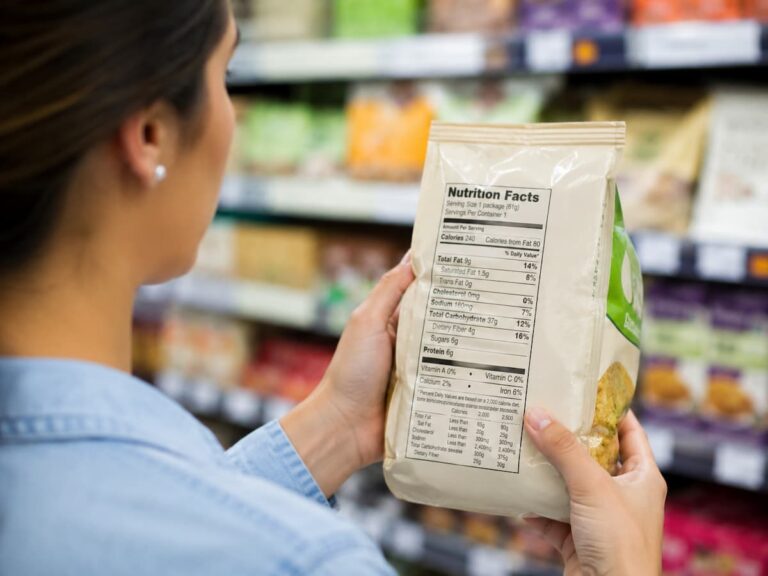
- Read food labels to identify hidden sugars in sauces, cereals, and packaged foods.
- Use natural sweeteners like honey or dates when needed.
Gradual reduction keeps the process manageable and sustainable.
Hydrate Consistently
Water is often overlooked, yet it plays a key role in digestion, energy, and overall well-being. Drinking enough water supports healthier eating habits naturally.
Tips for Staying Hydrated:
- Carry a reusable water bottle throughout the day.
- Drink a glass of water before each meal.
- Add lemon, cucumber, or berries to water for flavour.
- Track daily intake to ensure you meet hydration needs.
Proper hydration complements mindful, balanced eating habits.
Include Fiber-Rich Foods
Fibre is essential for digestive health, satiety, and energy. Many people eat low-fibre diets without realising it, which can lead to overeating or sluggishness.
Sources of Fibre:
- Fruits and vegetables (broccoli, berries, spinach, apples).
- Whole grains (oats, brown rice, quinoa).
- Legumes (lentils, beans, chickpeas).
- Nuts and seeds (chia seeds, almonds, flaxseeds).
Tips for Adding Fibre:
- Add vegetables to every meal.
- Choose whole grains instead of refined carbs.
- Include beans or lentils in soups, salads, or side dishes.
Fibre supports steady energy and helps prevent overeating.
Practice Flexibility, Not Restriction
Strict dieting can create stress and guilt around food. Eating better without dieting focuses on flexibility and moderation.
How to Stay Flexible:
- Allow occasional indulgences without guilt.
- Avoid labelling foods as “good” or “bad”.
- Focus on overall patterns rather than individual meals.
- Adjust portions instead of eliminating foods entirely.
This approach encourages long-term adherence to healthier eating habits without feeling deprived.
Cook at Home More Often
Preparing meals at home gives you control over ingredients, portions, and flavours. It also makes eating better, simpler and more enjoyable.
Benefits of Home Cooking:
- Reduces intake of processed foods and added sugar.
- Allows control of portion sizes.
- Encourages experimentation with healthy ingredients.
Simple Home Cooking Tips:
- Batch cook staples like rice, beans, or roasted vegetables.
- Keep healthy pantry items on hand for quick meals.
- Use herbs and spices to add flavour without extra calories or salt.
Home cooking transforms your diet into a manageable, enjoyable routine.
Sample Day of Eating Better Without Strict Dieting
Here’s an example of how a day can look with improved, flexible eating habits:
| Meal | Example |
|---|---|
| Breakfast | Oatmeal with almond butter, chia seeds, and fresh berries |
| Snack | Apple slices with a handful of almonds |
| Lunch | Quinoa salad with grilled chicken, spinach, tomatoes, and olive oil |
| Snack | Carrot and cucumber sticks with hummus |
| Dinner | Baked salmon, roasted sweet potatoes, and steamed broccoli |
| Hydration | Water throughout the day, herbal tea optional |
This day incorporates balance, fibre, hydration, and mindful choices without following strict dieting rules.
Conclusion
Eating better doesn’t require strict dieting, extreme restrictions, or complex meal plans. By focusing on small, sustainable changes—such as meal planning, balanced meals, mindful eating, hydration, and gradual sugar reduction—you can improve your nutrition, energy, and overall health. Flexibility, moderation, and awareness of your body’s signals are key.
Adopting these habits creates a sustainable, enjoyable approach to eating that fits your lifestyle. Remember, eating better is a journey, not a one-time fix. Consistency and gradual improvements lead to lasting results.
FAQs
1. Can I eat better without counting calories?
Yes. Focusing on balanced meals, portion sizes, and nutrient-rich foods is often more effective than strict calorie counting.
2. How can I avoid feeling deprived while eating better?
Allow yourself occasional indulgences, practise mindful eating, and avoid labelling foods as “bad” or “good”.
3. What are simple snacks that support healthy eating?
Fruit with nuts, Greek yoghurt with berries, vegetable sticks with hummus, or whole-grain crackers with avocado are nutritious, satisfying options.
4. How long does it take to notice benefits from eating better?
Many people notice improved energy, digestion, and mood within a few weeks of consistent, healthier eating habits.
5. Can drinking more water help me eat better?
Yes. Staying hydrated can reduce overeating, improve digestion, and support overall nutrition.

Abdur Rahman is a lifestyle writer focused on simple health habits and everyday wellness. He creates easy-to-understand content that helps readers improve their routines without confusion or pressure. His work covers topics like daily health habits, home fitness, simple nutrition, sleep, and stress management. He believes that small, consistent actions lead to meaningful long-term results and aims to make healthy living practical, realistic, and accessible for everyone.