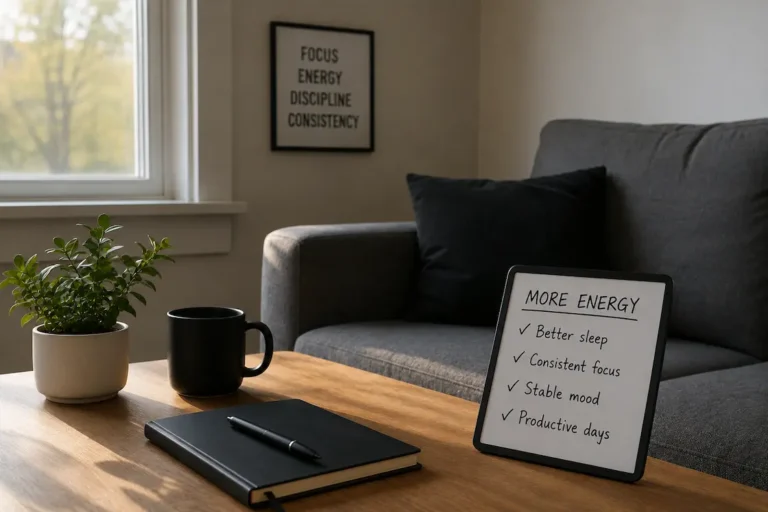

Many people link poor energy levels to lack of sleep, a hectic lifestyle, or even aging. They are important, but the effect of everyday habits is often far bigger than individuals realize. These are little habits, repeated day after day, which can slowly drain your mental and physical energy without your realizing it.
The problem is that these practices often seem natural. You may say that chaotic mornings, inconsistent meals, lengthy hours in front of the screen, or a sedentary lifestyle are innocuous. However, when performed on a daily basis, these behaviors might impair your concentration, emotions, sleep quality, resilience, and general health.
The good news is that you don’t have to make radical lifestyle changes to increase your energy levels. Just being aware of your energy-draining habits and making little changes can often offer big rewards. These are some of the most typical signs of low energy that can be traced back to your everyday behaviors, along with some practical ideas for building healthier habits to help you stay mentally and physically balanced throughout the day.
Why Daily Routines Affect Energy More Than People Think
Energy is not only influenced by sleep duration or physical activity. Daily routines affect multiple systems in the body, including:
- Sleep quality
- Hydration levels
- Stress management
- Blood sugar stability
- Mental focus
- Physical recovery
- Movement and circulation
When routines consistently work against these systems, the body spends more time recovering from stress instead of functioning efficiently. Many people focus only on major health goals while overlooking the impact of ordinary daily behaviors. Small repeated habits often create either steady energy or constant fatigue.
1. Feeling Tired Even After Sleeping Enough
One of the clearest signs of an unhealthy routine is waking up feeling drained despite getting a reasonable amount of sleep. This can happen when the body is not getting quality recovery during the night. Several daily habits may contribute to this problem:
- Excessive screen time before bed
- Irregular sleep schedules
- Late-night eating
- High stress levels during the evening
- Too much caffeine late in the day
Even if someone spends seven or eight hours in bed, poor sleep quality can still lead to low energy the next day.
What Can Help
- Keep bedtime and wake-up times consistent
- Reduce bright screen exposure before sleeping
- Avoid heavy meals close to bedtime
- Create a calmer evening routine
- Keep the sleeping environment cool and quiet
Consistency is often more important than trying extreme “sleep hacks.”
2. Constant Dependence on Caffeine
Coffee and tea can be part of a healthy routine for many people. However, relying on caffeine throughout the day just to stay functional may indicate more profound energy problems. A routine built around energy crashes often looks like this:
- Low energy in the morning
- Heavy caffeine use to recover
- Afternoon fatigue
- Another caffeine boost
- Difficulty sleeping at night
- Repeat the next day
This cycle can slowly affect natural energy regulation and sleep quality.
What Can Help
Instead of only increasing caffeine intake, it is often more effective to examine the following:
- Sleep consistency
- Hydration habits
- Meal timing
- Physical activity
- Stress levels
Simple adjustments in these areas can improve energy stability naturally over time.
3. Long Periods of Sitting Without Movement
Modern routines often involve hours of sitting during work, studying, or entertainment. Many people underestimate how strongly inactivity affects energy levels. Long periods without movement may contribute to:
- Mental fatigue
- Reduced circulation
- Muscle stiffness
- Lower motivation
- Afternoon sluggishness
The body generally responds better to consistent light movement throughout the day rather than staying inactive for long stretches.
What Can Help
Small movement habits are often easier to maintain than intense exercise routines. Examples include:
- Short walks during breaks
- Stretching for a few minutes
- Standing while taking calls
- Light mobility exercises
- Walking after meals
These small actions can improve alertness without requiring major schedule changes.
4. Skipping Meals or Eating Inconsistently
Busy schedules sometimes lead people to skip meals or eat at highly irregular times. While such behavior may seem harmless occasionally, inconsistent eating patterns can affect energy stability. Common signs include:
- Midday crashes
- Difficulty concentrating
- Irritability
- Frequent cravings
- Feeling weak or sluggish
Meals that lack balance may also contribute to fluctuating energy levels. For example, meals that are high in sugar but low in protein or fiber may provide short-term energy, followed by fatigue later.
What Can Help
Balanced meals generally include a combination of:
- Protein
- Fiber-rich foods
- Healthy fats
- Complex carbohydrates
Simple examples may include:
- Oatmeal with nuts and fruit
- Rice with vegetables and lean protein
- Yogurt with seeds and berries
Consistency matters more than trying to follow restrictive eating trends.
5. Feeling Mentally Drained Early in the Day
Mental fatigue is not always caused by excessive workload alone. Some routines create constant mental stimulation from the moment the day begins. Common examples include:
- Checking notifications immediately after waking up
- Constant multitasking
- Excessive social media scrolling
- Switching between tasks too often
- Never taking short mental breaks
These patterns can overwhelm attention and reduce mental clarity throughout the day.
What Can Help
Creating small periods of reduced stimulation can help preserve focus and energy. Useful habits may include:
- Avoiding phone use immediately after waking
- Taking short screen breaks
- Prioritizing tasks instead of multitasking
- Spending a few quiet minutes without digital distractions
Mental energy often improves when the brain is given short periods of recovery during the day.
6. Poor Hydration Habits
Many people underestimate how strongly hydration affects energy levels. Even mild dehydration may contribute to:
- Headaches
- Brain fog
- Fatigue
- Reduced concentration
- Lower physical performance
Busy routines sometimes lead people to drink very little water during the day while relying heavily on coffee or sugary drinks.
What Can Help
Hydration habits do not need to become complicated. Simple strategies include:
- Drinking water consistently throughout the day
- Keeping a water bottle nearby
- Having water with meals
- Increasing fluids during hot weather or exercise
Steady hydration supports both physical and mental performance.
7. Never Fully Relaxing During the Day
Some routines keep the body in a constant state of tension. Even outside work hours, many people continue thinking about tasks, checking emails, or mentally reviewing responsibilities. Over time, this continuous stress response may contribute to exhaustion. Signs may include:
- Feeling restless during downtime
- Difficulty relaxing
- Constant overthinking
- Irritability
- Trouble sleeping
The body generally needs moments of genuine recovery during the day.
What Can Help
Relaxation does not always require complicated routines. Simple recovery habits may include:
- Walking outdoors
- Deep breathing exercises
- Reading
- Listening to calming music
- Spending time away from screens
Short periods of mental recovery can improve long-term energy stability.
8. Ignoring Physical Recovery
Many people focus on productivity while ignoring recovery habits. A routine without enough recovery may lead to:
- Persistent soreness
- Low motivation
- Sleep disruption
- Mood changes
- Ongoing fatigue
Recovery is not only important for athletes. Every day, physical and mental stress also requires recovery time.
What Can Help
Supportive recovery habits include:
- Consistent sleep
- Gentle movement
- Stretching
- Proper hydration
- Balanced nutrition
- Rest days from intense activity
Sustainable routines usually work better than routines based on constant pressure.
9. Feeling Unmotivated Most Days
Low motivation is sometimes linked to unrealistic routines. Many people create schedules that are too strict, exhausting, or difficult to maintain. Over time, this may create frustration and mental fatigue. Signs include:
- Frequently abandoning routines
- Feeling overwhelmed by simple tasks
- Lack of enthusiasm
- Constant burnout cycles
Highly restrictive routines are often harder to maintain long-term.
What Can Help
Building flexible and realistic habits is usually more effective. For example:
- Short workouts instead of overly intense programs
- Simple meal planning instead of strict dieting
- Gradual sleep improvements instead of dramatic changes
Consistency tends to support better energy than perfection.
10. Depending on Motivation Instead of Structure
Many routines fail because they rely entirely on motivation. Energy naturally changes from day to day. When routines only work during highly motivated periods, consistency becomes difficult. This often creates a cycle of the following:
- Strong motivation
- Overcommitment
- Burnout
- Loss of momentum
- Starting over repeatedly
What Can Help
Simple structures usually support energy better than extreme routines. Helpful strategies may include:
- Preparing meals in advance
- Setting consistent sleep times
- Keeping workouts short and manageable
- Creating simple morning habits
Stable routines reduce decision fatigue and make healthy habits easier to maintain.
Small Signs That Your Routine May Need Adjustment
Some warning signs are subtle and easy to ignore. Examples include:
- Frequent afternoon crashes
- Brain fog
- Irritability
- Difficulty concentrating
- Constant procrastination
- Low physical stamina
- Waking up already tired
- Feeling overwhelmed by ordinary tasks
These signs do not always mean something serious is wrong, but they may suggest that daily habits need better balance.
Building a More Energy-Supportive Routine
Improving energy levels usually works best through gradual adjustments instead of drastic lifestyle changes. A more supportive routine often includes:
1. Consistent Sleep Patterns
Going to bed and waking up at similar times helps support recovery and mental clarity.
2. Balanced Nutrition
Regular meals with protein, fibre, and whole foods can support steadier energy.
3. Daily Movement
Light activity throughout the day helps improve circulation and alertness.
4. Mental Recovery
Short breaks from stimulation can reduce stress and improve focus.
5. Realistic Habits
Simple habits are generally easier to maintain long-term than overly strict routines.
When Should You Seek Professional Help?
Persistent fatigue need not necessarily be attributed solely to your daily routine. If you still feel tired after making adjustments to your lifestyle, it is especially important to consult a doctor. Sometimes, chronic fatigue can be linked to underlying health issues, nutritional deficiencies, sleep disorders, or persistent stress. It is particularly important to seek professional help if the fatigue is severe, comes on suddenly, or interferes with your daily life.
Conclusion
A lack of energy is usually not caused by a serious underlying problem. Often, our daily lives gradually deplete our physical and mental energy without any clear warning signs.
Sleep, exercise, stress, hydration, nutrition, and recovery habits all influence how well your body functions throughout the day. The good news is that even small, consistent changes can have significant long-term effects. In the long run, these consistent daily habits—rather than striving for perfection—lead to increased energy, improved focus, and a healthier life overall.

Abdur Rahman is a lifestyle writer focused on simple health habits and everyday wellness. He creates easy-to-understand content that helps readers improve their routines without confusion or pressure. His work covers topics like daily health habits, home fitness, simple nutrition, sleep, and stress management. He believes that small, consistent actions lead to meaningful long-term results and aims to make healthy living practical, realistic, and accessible for everyone.